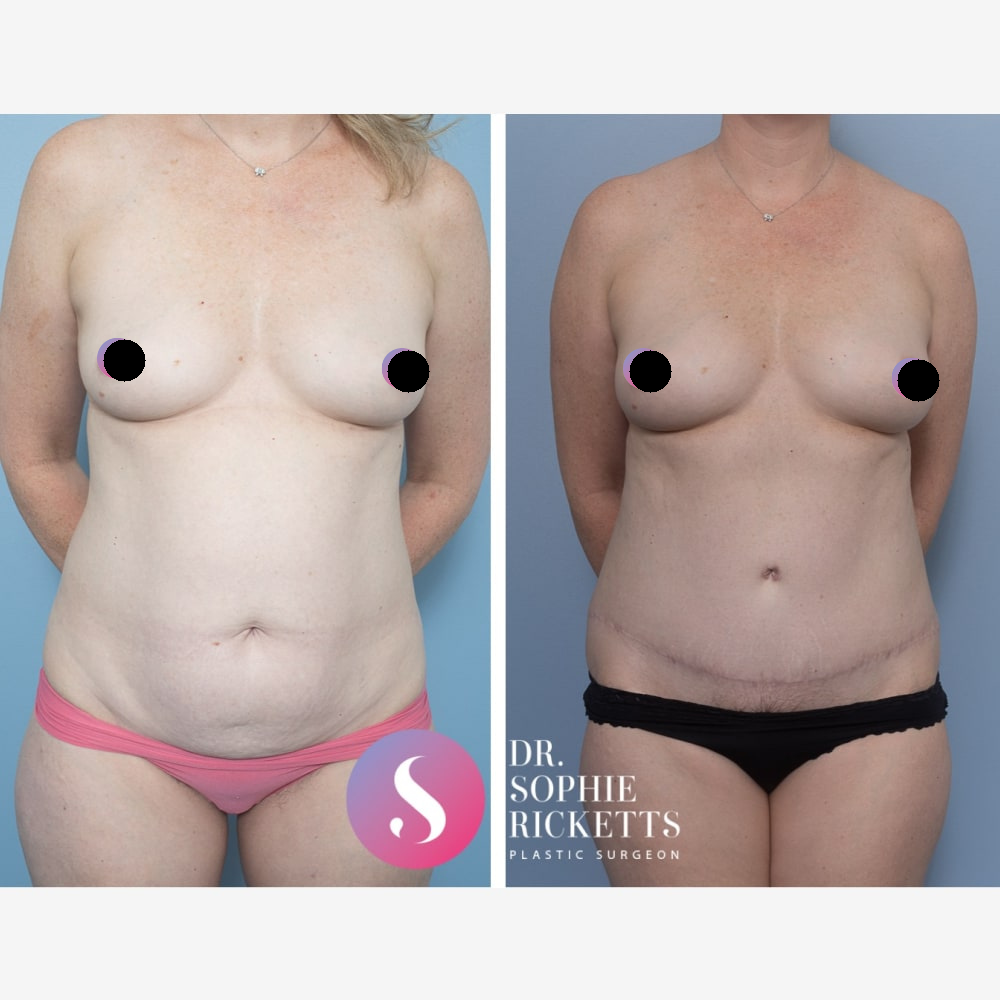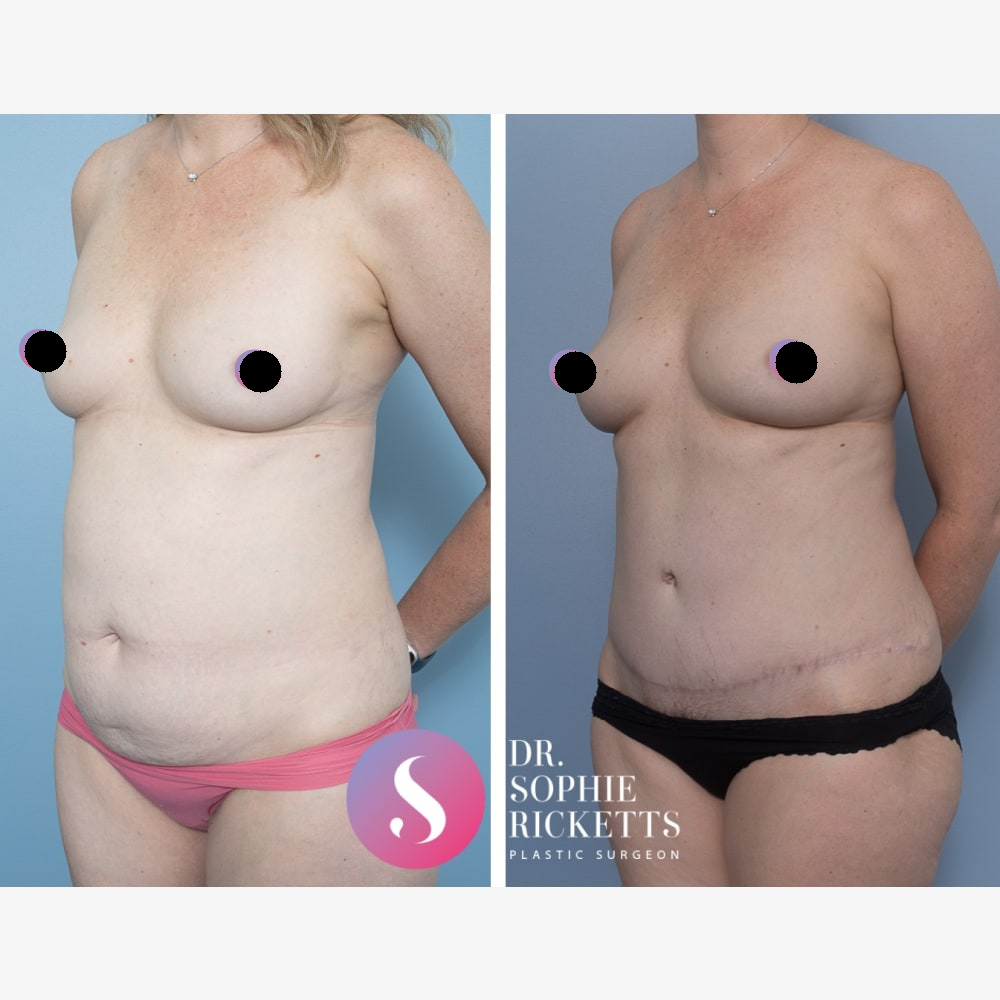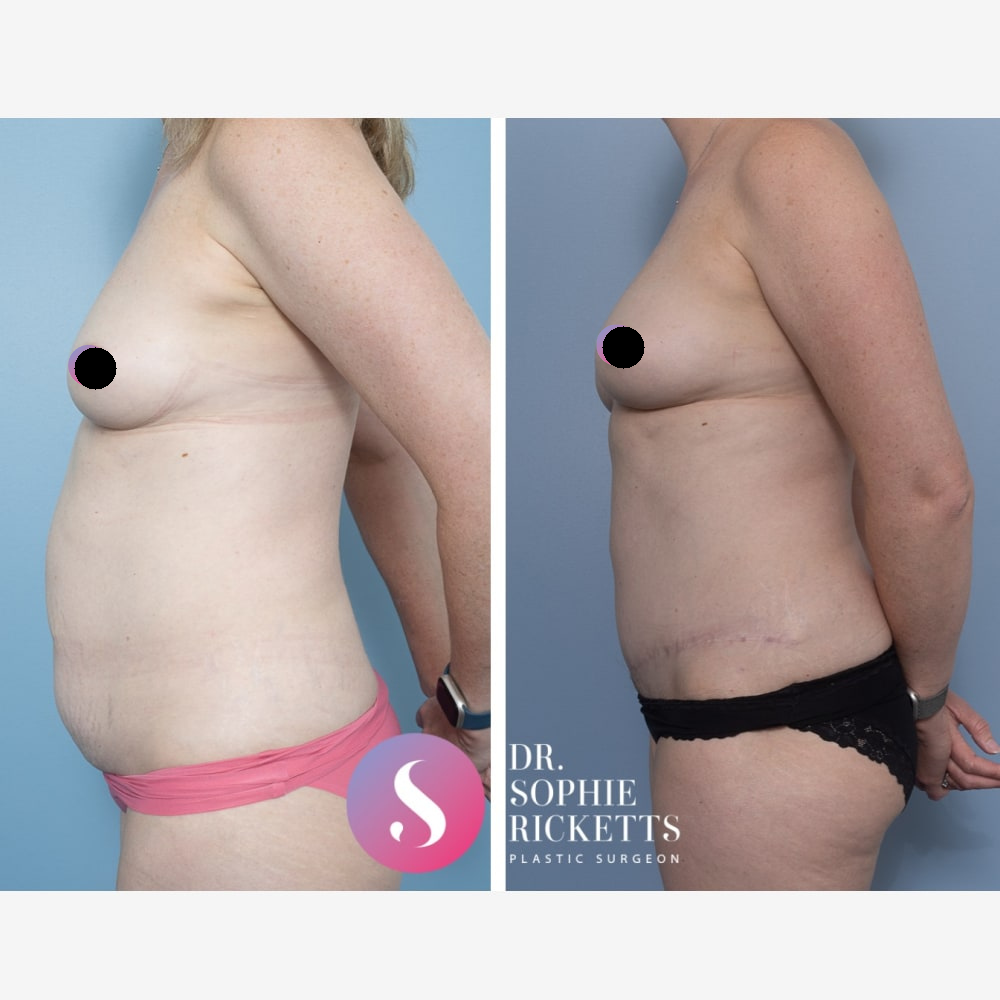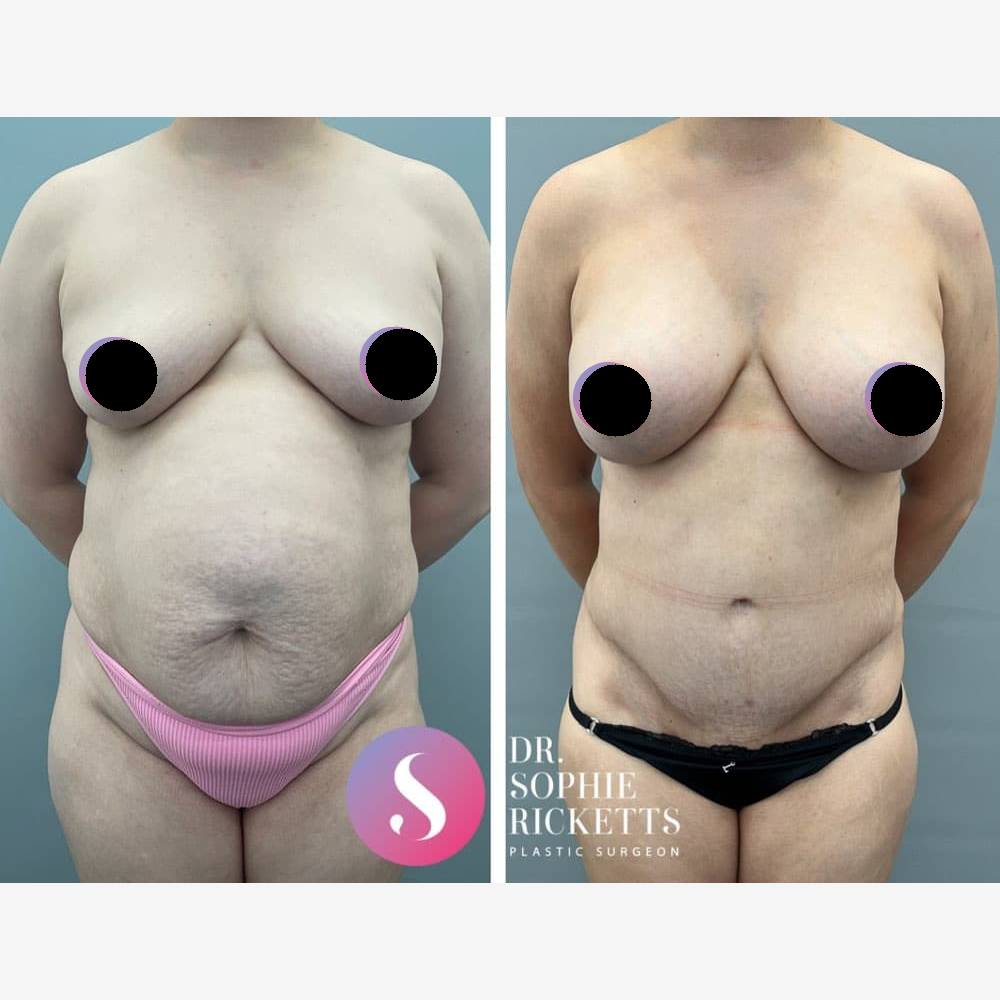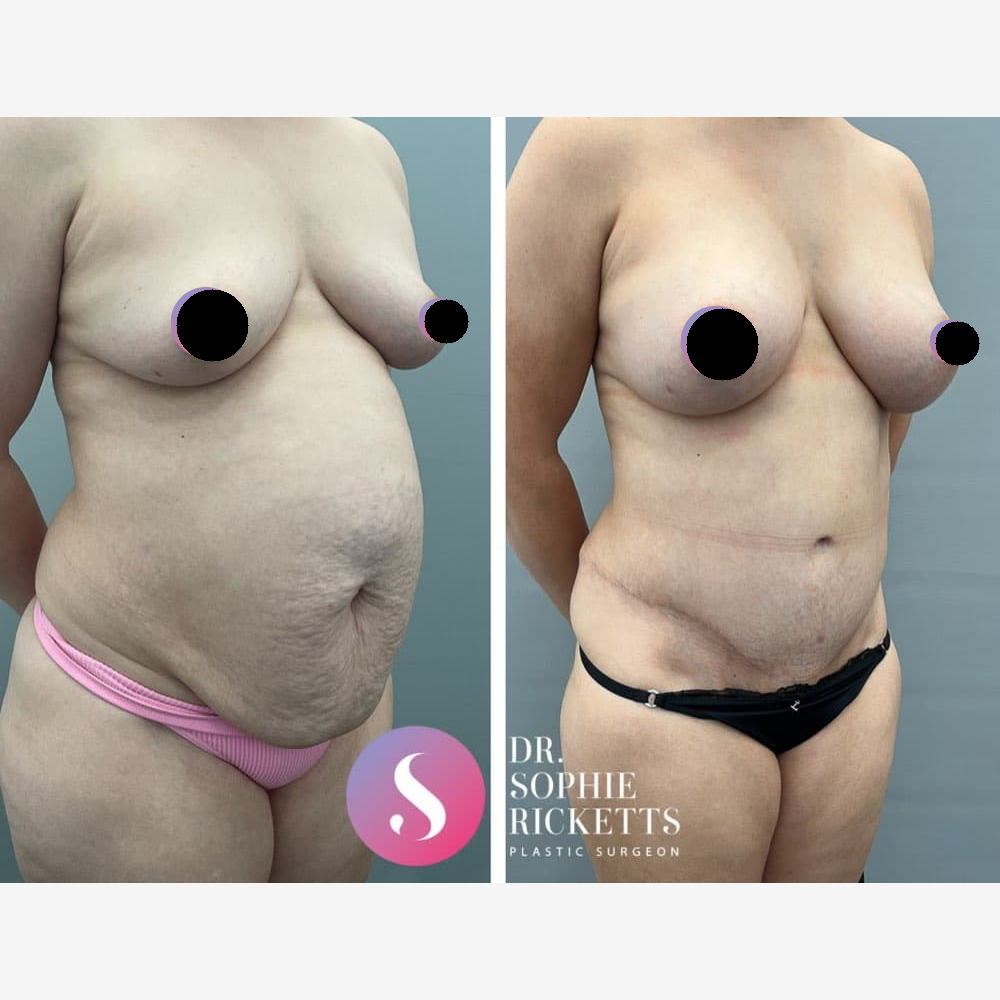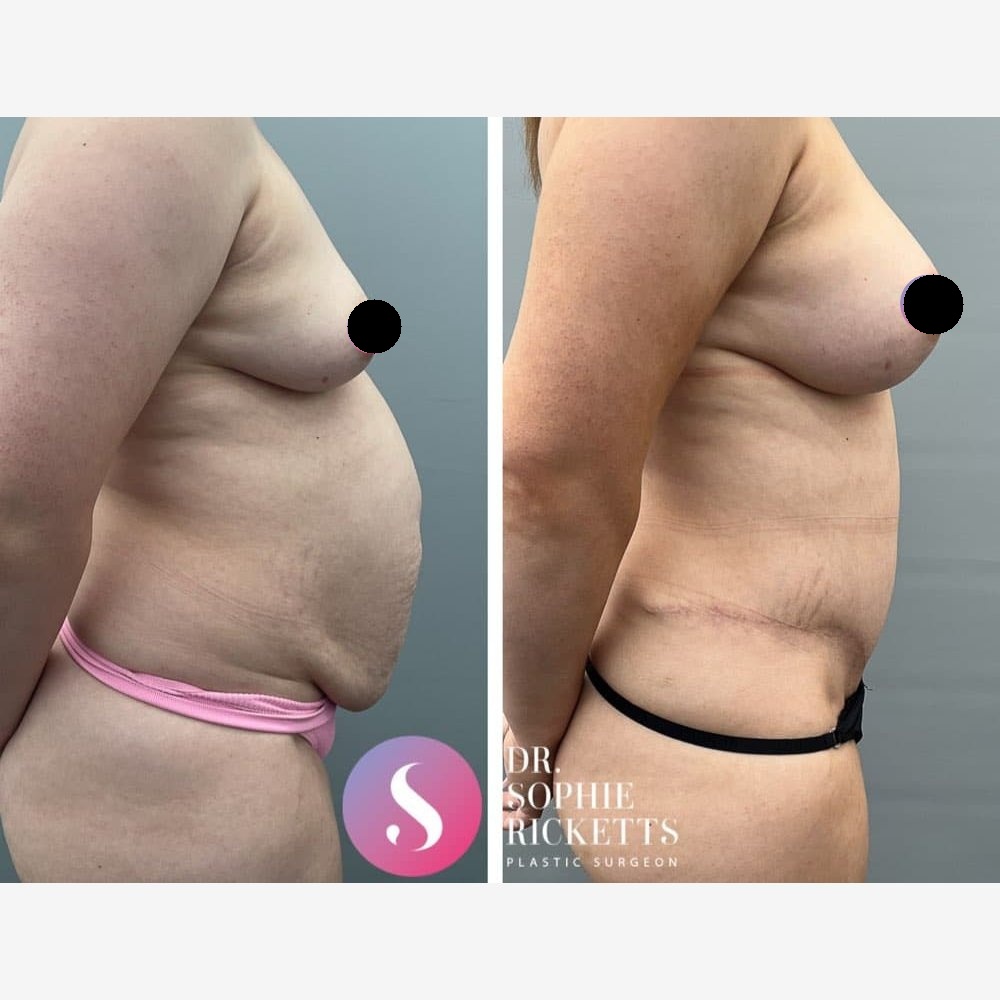

What is Post-Pregnancy Surgery?
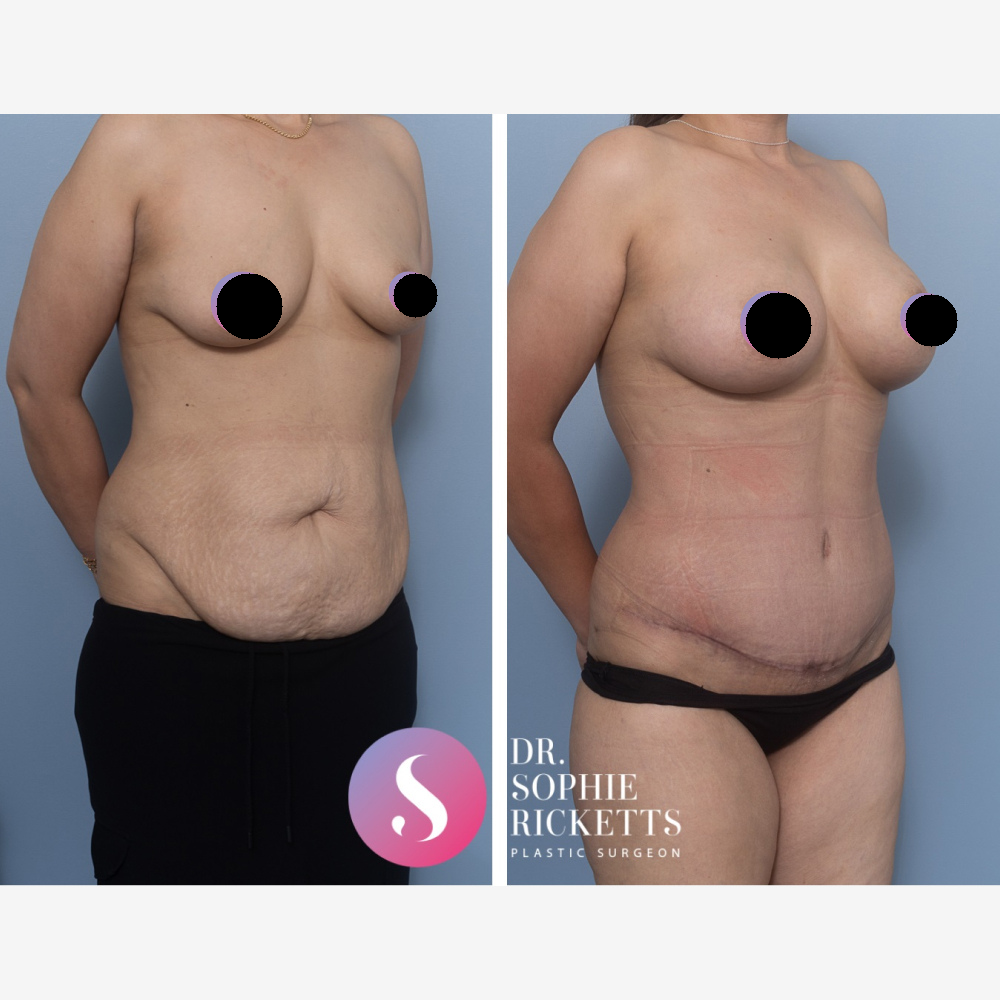
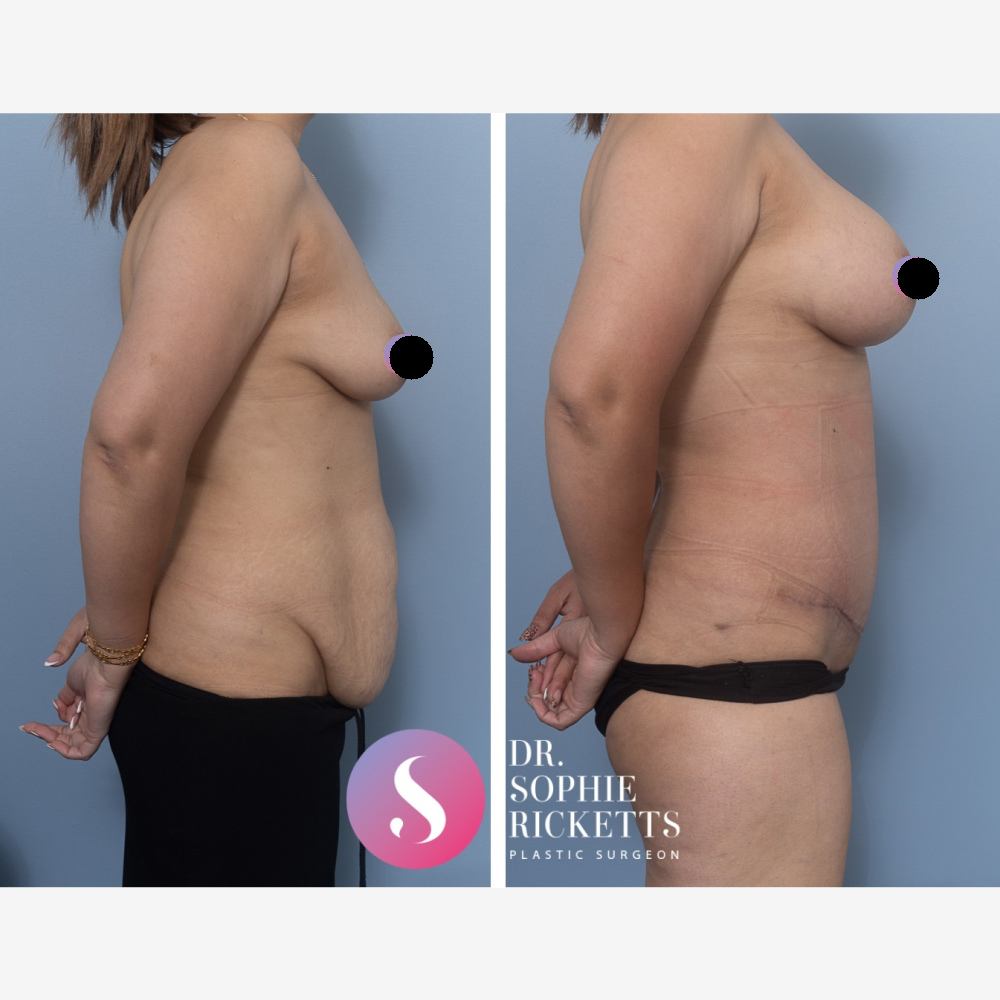
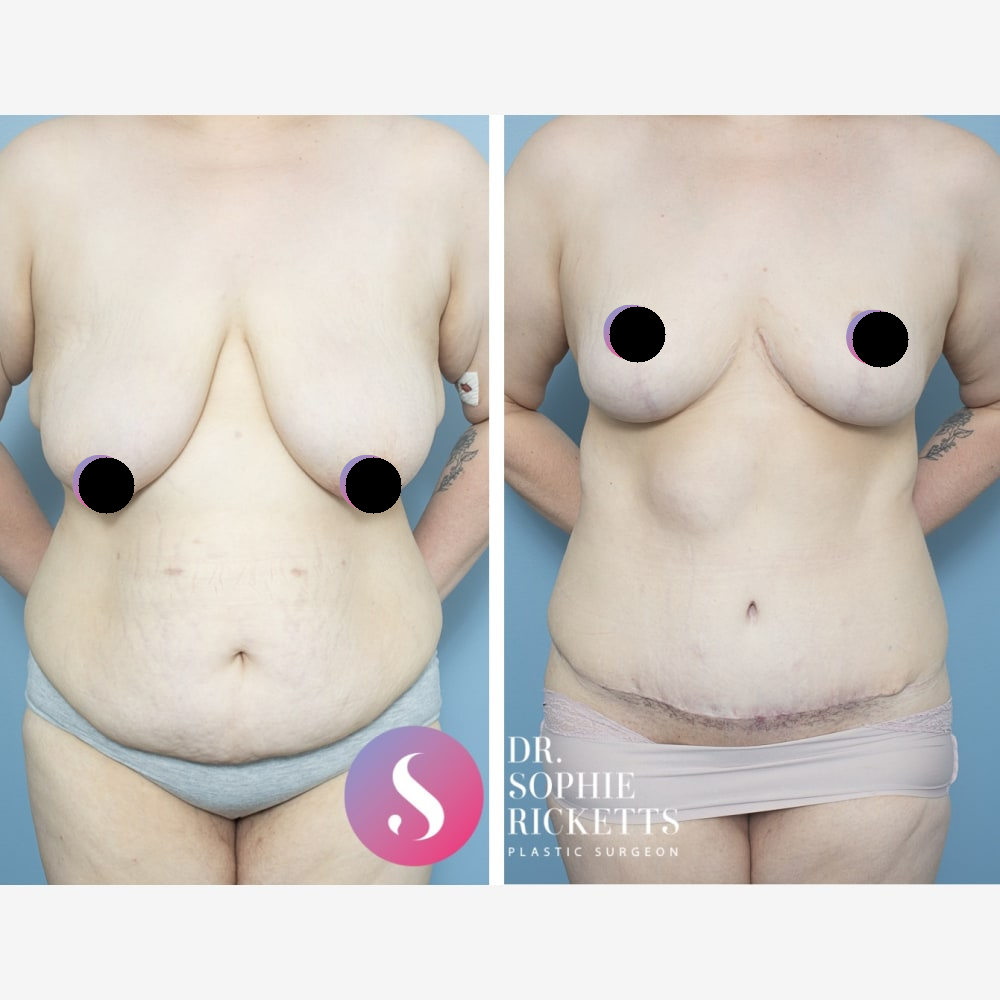
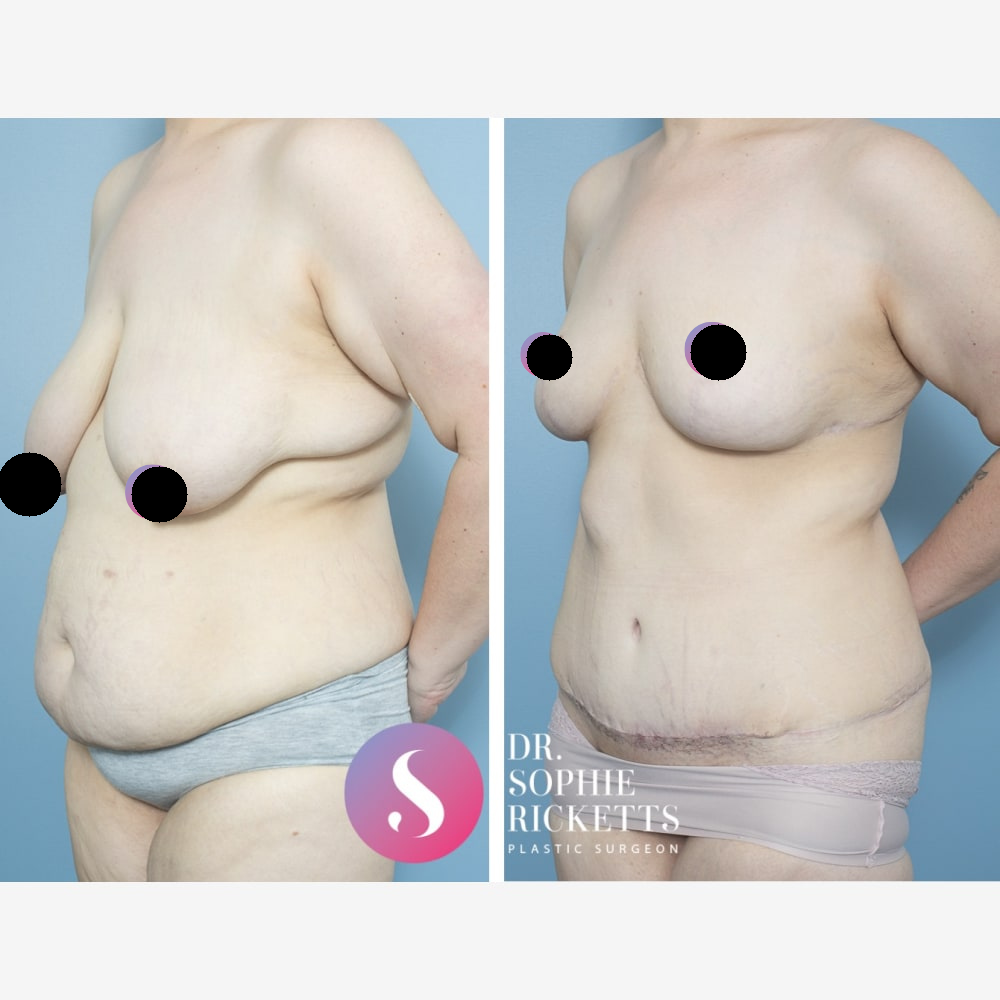
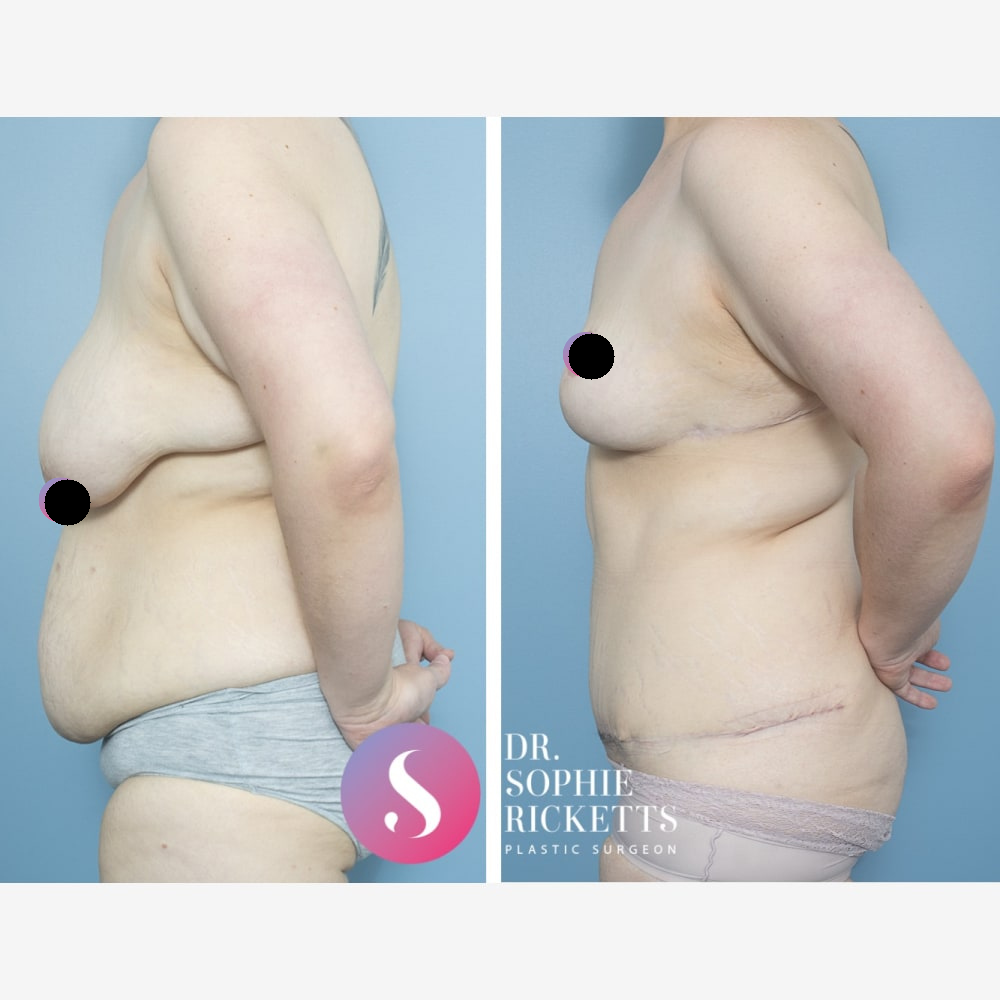
Post-pregnancy surgery is a combination surgery that addresses specific concerns relating to changes in the breasts and stomach as a result of pregnancy. Pregnancy and breastfeeding can lead to physical changes such as reduced breast tissue volume, changes in breast position, stretching of abdominal skin, or separation of abdominal muscles.
Procedures that may be considered include:
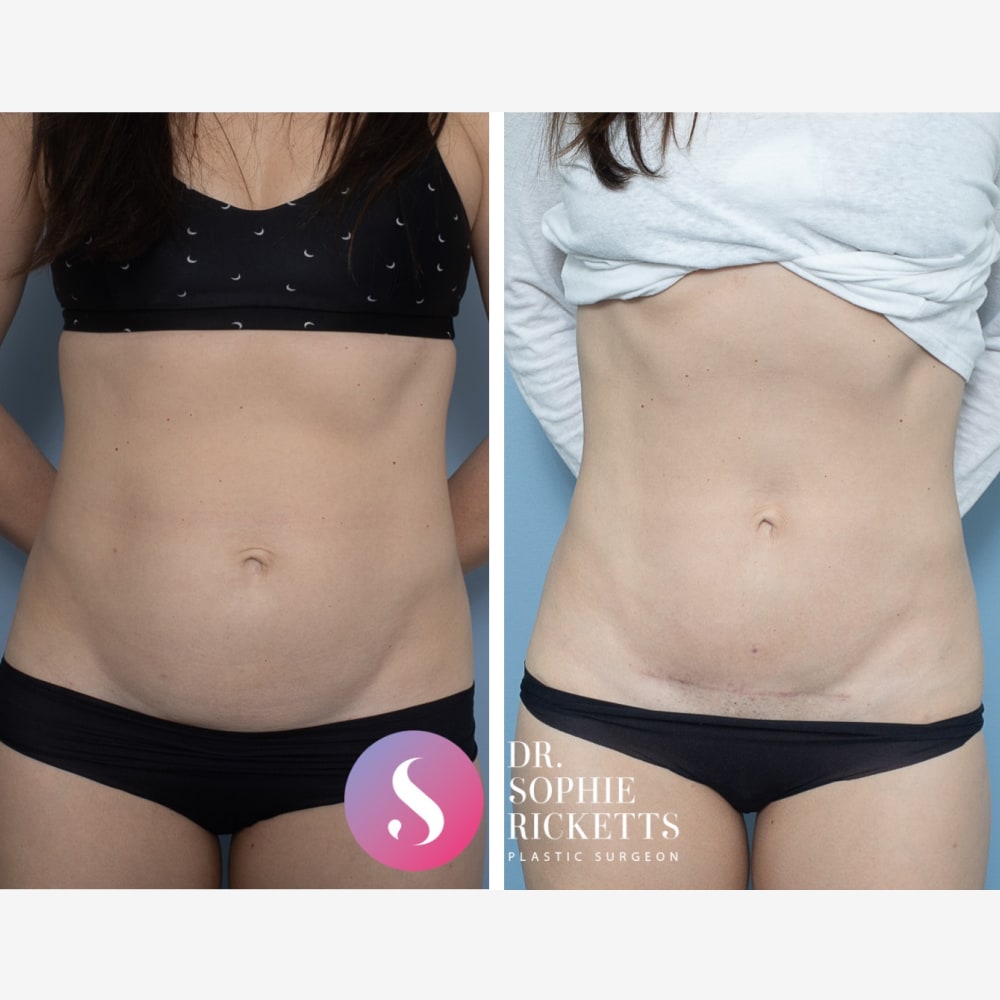
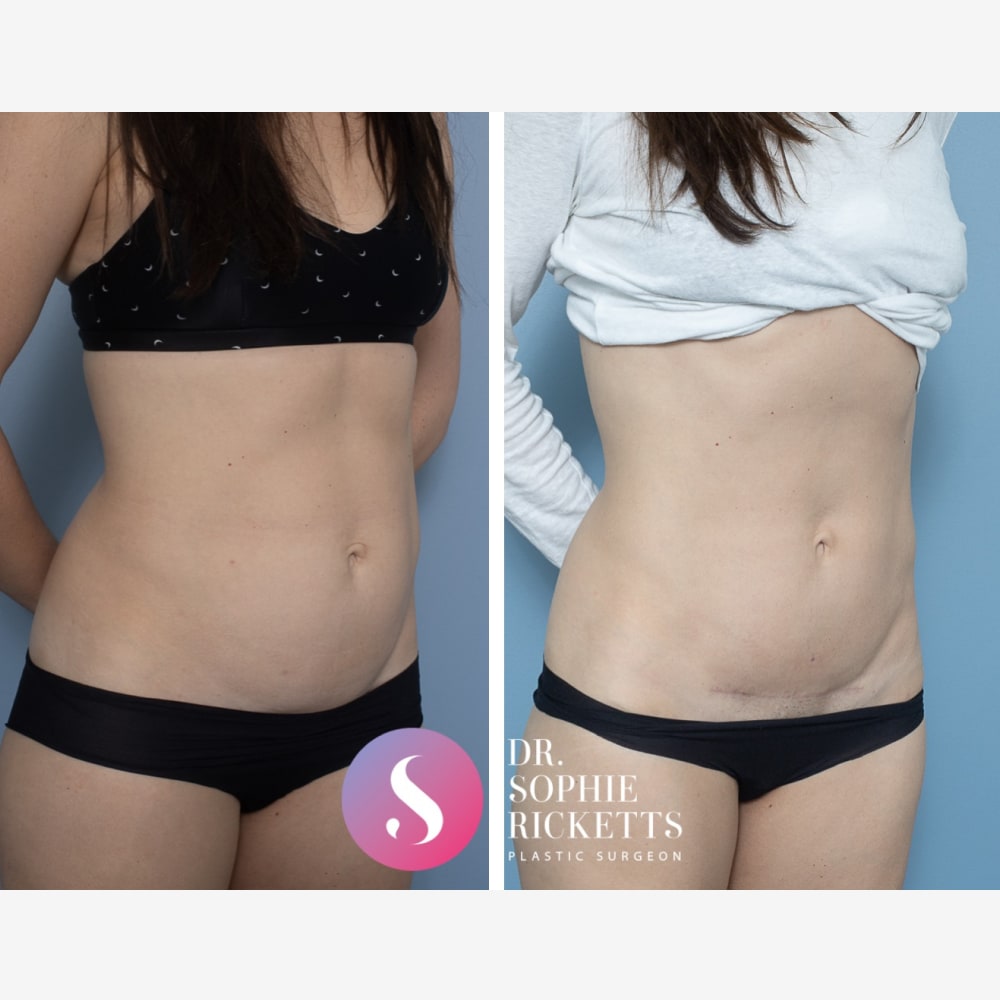
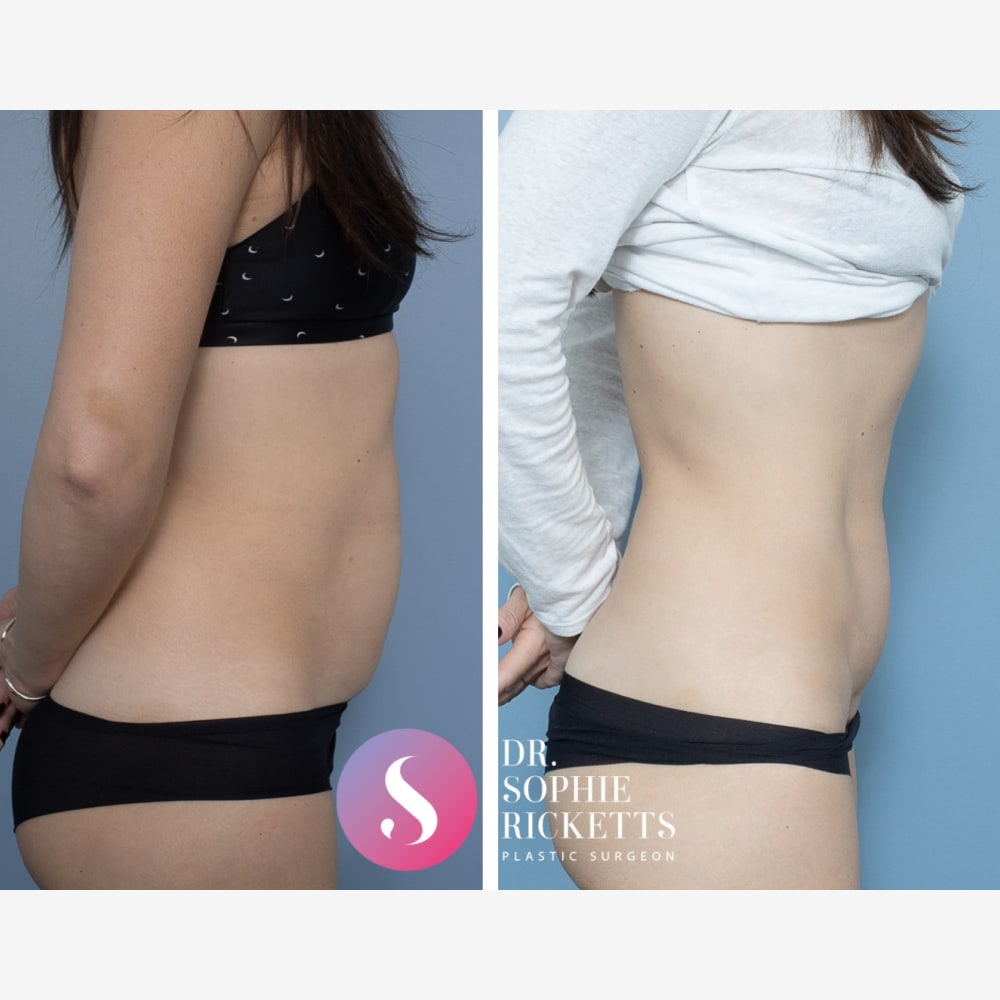
- Abdominoplasty: removes excess abdominal skin and may involve tightening of the abdominal muscles.
- Breast surgery: options may include a breast lift (mastopexy), with or without implants or a breast reduction.
Important information
- All surgery carries risks. These include bleeding, infection, scarring, changes in nipple or breast sensation, anaesthetic complications, and the potential need for further surgery.
- Not all people are suitable candidates. Suitability depends on factors such as overall health, medical history, and expectations.
- Results vary between individuals. Outcomes cannot be guaranteed, and surgery does not restore the body to its pre-pregnancy state.
- Recovery differs for each person. Swelling, bruising and discomfort are common in the early weeks, and normal activities—such as lifting, exercise, driving, or caring for children—may need to be limited for a period of time. It may take several weeks to return to usual routines and longer for the surgical area to fully settle. Dr Sophie will provide guidance based on your individual circumstances.
Post-Pregnancy Surgery: Risks and Complications
Surgical procedures intended to address physical changes following pregnancy and breastfeeding—such as abdominoplasty, mastopexy (breast lift), or breast augmentation—are major invasive operations.
Dr Sophie Ricketts prioritises clinical risk management and patient education to ensure that all individuals are fully informed of the inherent complications before choosing to proceed.
General Surgical Risks
-
Anaesthesia-Related Complications: Potential adverse reactions to general anaesthesia, including respiratory or cardiac issues.
-
Haematoma and Seroma: The accumulation of blood (haematoma) or clear fluid (seroma) under the skin or muscle, which may require surgical drainage or needle aspiration.
-
Infection: Risk of infection at incision sites, which may require antibiotics or further surgical intervention.
-
Deep Vein Thrombosis (DVT) and Pulmonary Embolism: Major body surgery carries a higher risk of blood clots in the legs. These can be life-threatening if they migrate to the lungs.
-
Poor Wound Healing: Risk of wound breakdown or delayed healing, particularly in abdominal incisions. This risk is significantly higher for patients who smoke.
Specific Risks for Combined Procedures
Risks specific for abdominal and breast surgeries combined (Please also see further specific procedure risks on their Procedure page on this website):
-
Permanent Scarring: All surgery results in permanent scars. While Dr Ricketts aims for discreet placement, the final appearance (including keloid or hypertrophic scarring) depends on individual healing and genetics.
-
Changes in Sensation: Temporary or permanent numbness or altered sensation in the abdominal skin, nipples, or breast tissue.
-
Breast-Specific Risks: These include capsular contracture (if implants are used), asymmetry, or interference with future breastfeeding capabilities.
-
Abdominal-Specific Risks: Potential for umbilicus (belly button) malposition, skin necrosis, or recurrent laxity if weight fluctuates significantly after surgery.
-
Asymmetry: Natural variations in anatomy and healing mean that perfect symmetry cannot be guaranteed.
Your Consultation Process
A consultation with Dr Sophie Ricketts, Specialist Plastic Surgeon, is a comprehensive clinical assessment to determine your suitability for surgery. This process is designed to ensure you are fully informed of the potential risks, expected clinical outcomes, and available non-surgical alternatives relevant to your circumstances.
In accordance with the Medical Board of Australia’s mandatory guidelines for cosmetic surgery:
-
Clinical Evaluation: Dr Ricketts will assess your medical history and physical anatomy to determine if the procedure is clinically appropriate.
-
Psychological Screening: A mandatory assessment for Body Dysmorphic Disorder (BDD) and psychological readiness is required for all patients.
-
GP Referral: You must provide a valid referral from your General Practitioner prior to your initial consultation.
-
Two-Stage Process: A minimum of two pre-operative consultations is required.
-
Cooling-Off Period: After your second consultation, a mandatory 7-day cooling-off period must elapse before any surgery can be booked or payments made.
Gallery
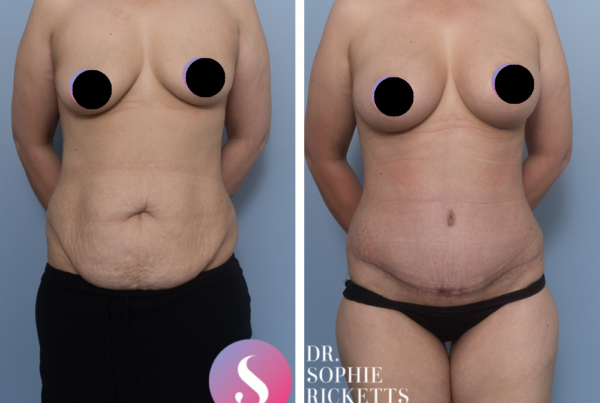
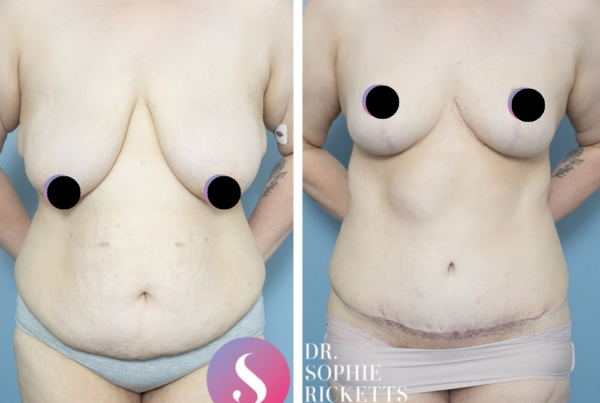
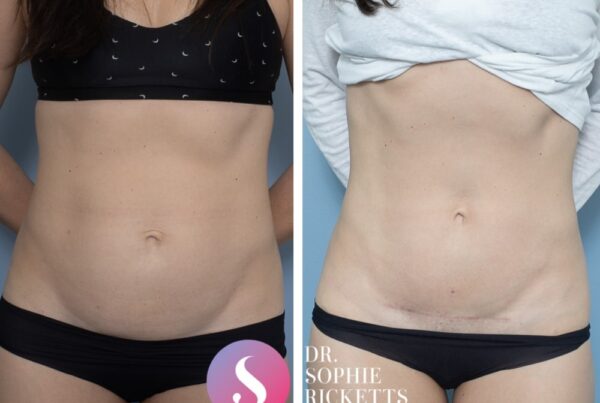
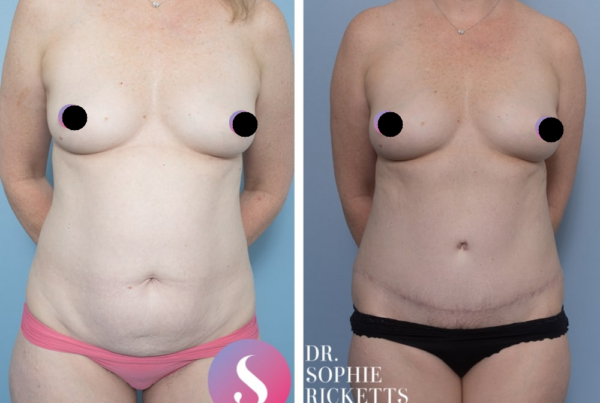
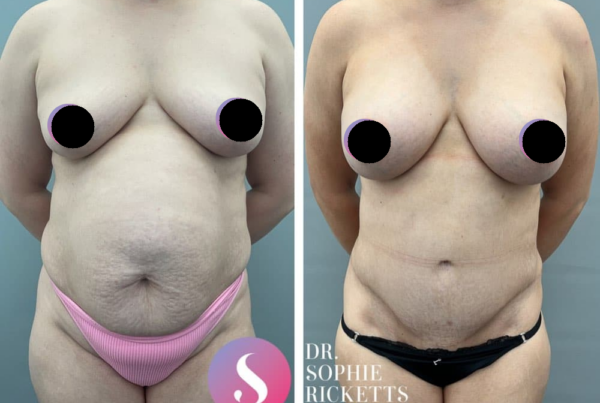
Individual results vary. All surgical procedures carry risks and require a consultation to determine suitability.
These images are for illustrative purposes only and do not guarantee a specific outcome. Before proceeding, you should seek a second opinion from an appropriately qualified health practitioner.
FAQ
Is it advisable to have more than one procedure at the same time?
In the clinical scenario of post pregnancy concerns, it is possible to combine multiple procedures—such as an abdominoplasty and breast surgery (augmentation, lift, or reduction)—into a single operative session. However, the decision to combine surgeries is based strictly on a medical assessment of patient safety and the physiological demands of a longer period under general anaesthesia.
Dr Sophie Ricketts, Specialist Plastic Surgeon, will discuss these considerations with you during your consultation and provide advice about whether a single or staged approach is more suitable in your situation.
Am I a suitable candidate for post pregnancy surgery?
You may be a suitable candidate for post pregnancy surgery if you meet the following criteria:
- You are in good general health – with no underlying medical conditions that could interfere with healing or increase surgical risks.
- You have completed your family – it’s best to wait until you’re no longer planning future pregnancies, as pregnancy can reverse the effects of the surgery.
- Your weight is stable – ideally, your weight should have been stable for at least 6 months, and you should be within or near your ideal body weight.
- You are no longer breastfeeding – breast tissue changes and hormone levels should have normalised before considering breast surgery. Ideally around 6 months after stopping breast feeding.
- You have realistic expectations – the surgery is designed to address certain physical changes, such as loose skin or separated abdominal muscles, and changes in breast shape, but it is not intended as a replacement for weight loss or fitness.
- You have completed post-pregnancy recovery – typically, this means waiting around 12 months after childbirth to allow your body to recover from the pregnancy and breast feeding.
A personal consultation with a specialist plastic surgeon like Dr Sophie Ricketts is essential to assess your suitability for surgery. During this appointment, your individual anatomy, objectives, and medical history will be carefully reviewed to ensure the procedure aligns with your needs.
How long should I wait after childbirth before having surgery?
You should wait at least 6 to 12 months after childbirth before considering post pregnancy surgery. This gives your body time to heal, allows hormone levels to stabilise, and ensures that any breastfeeding has ceased so that breast tissue has settled. It’s also important that your weight is stable and you’ve had time to recover fully, particularly if you had a caesarean section. Dr Sophie Ricketts can assess your readiness during a consultation and guide you on the best timing based on your individual circumstances.