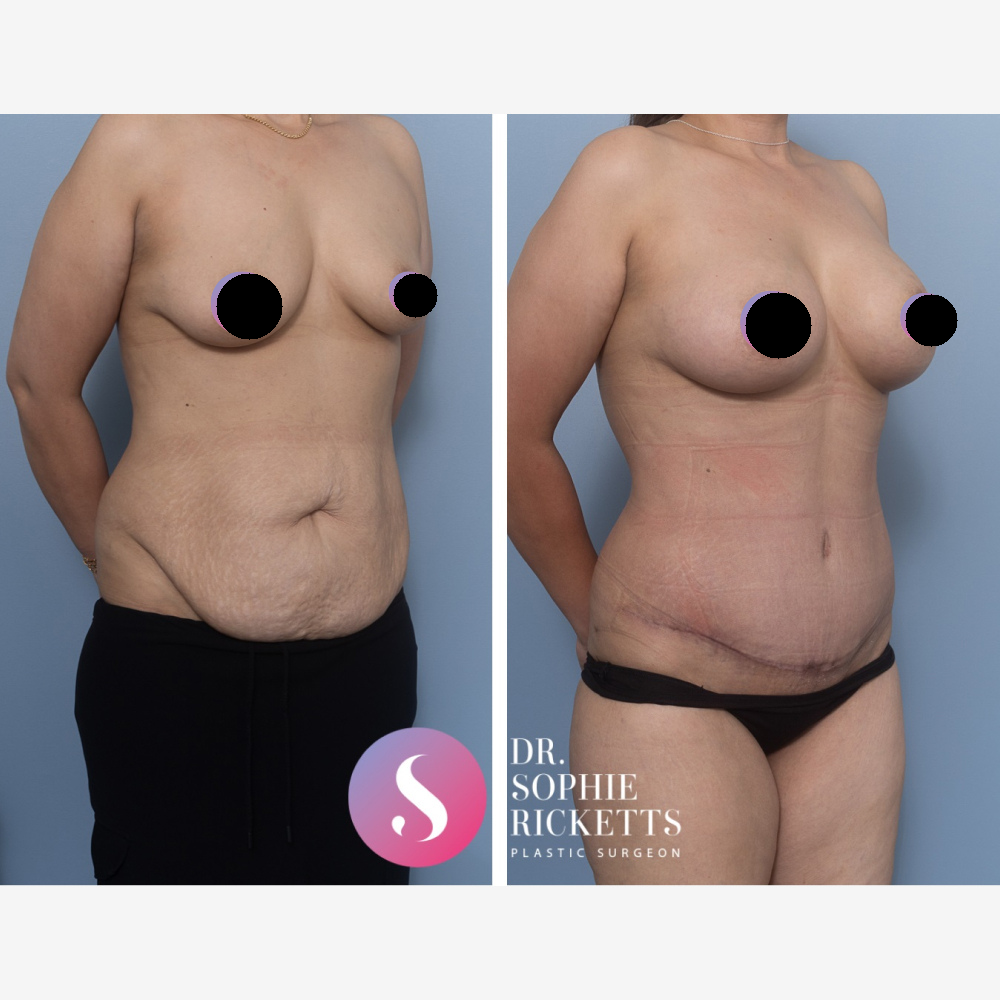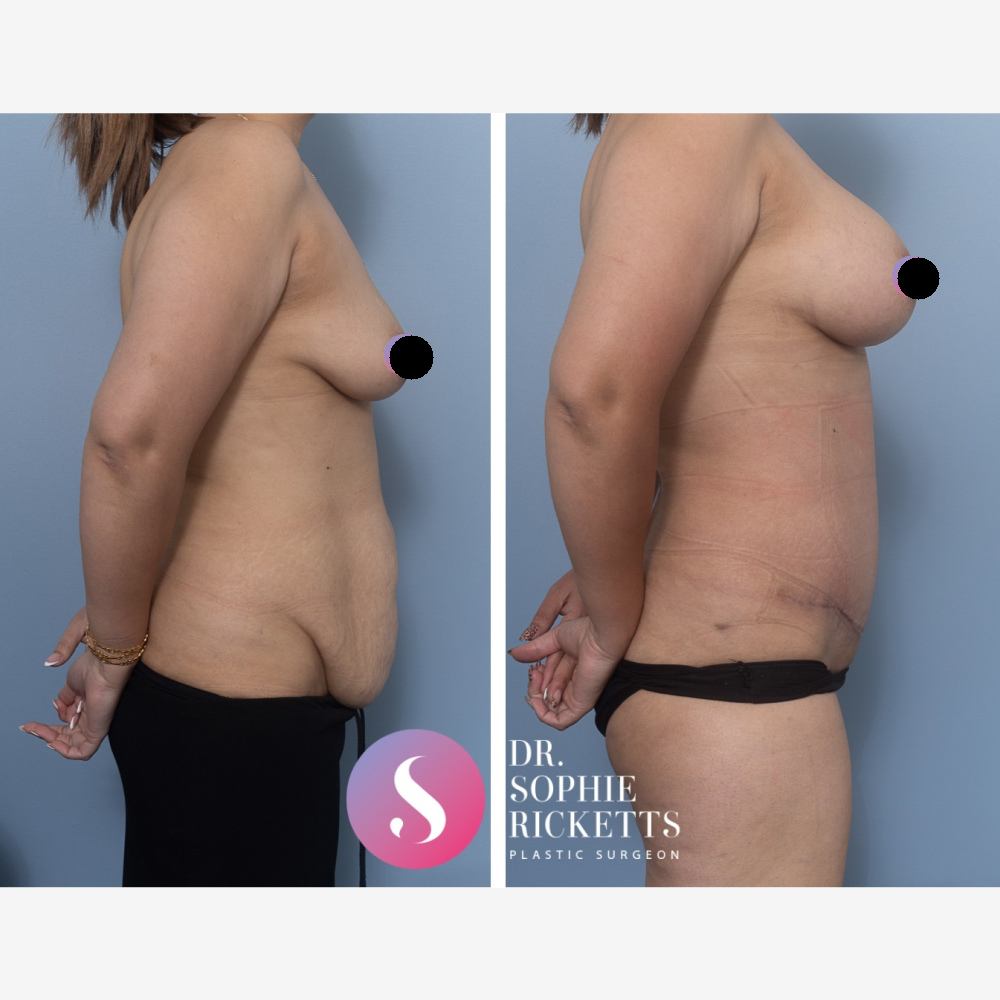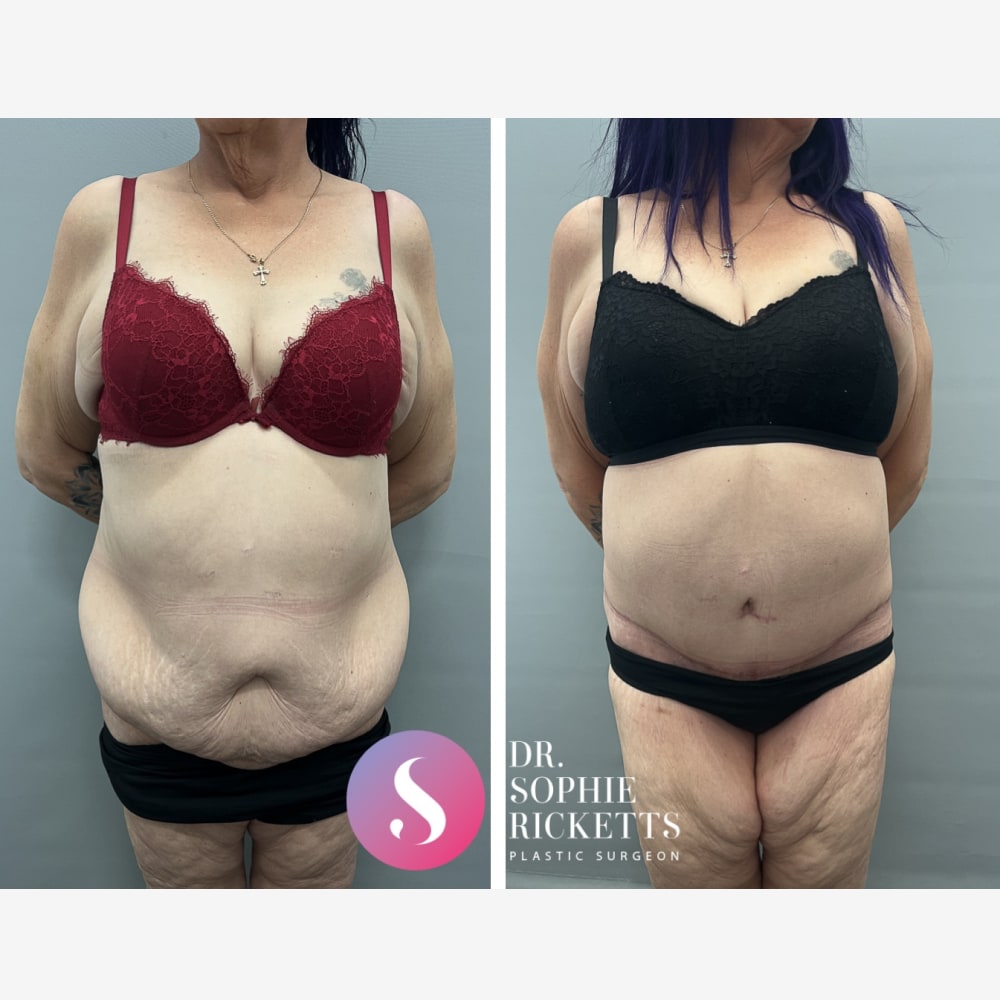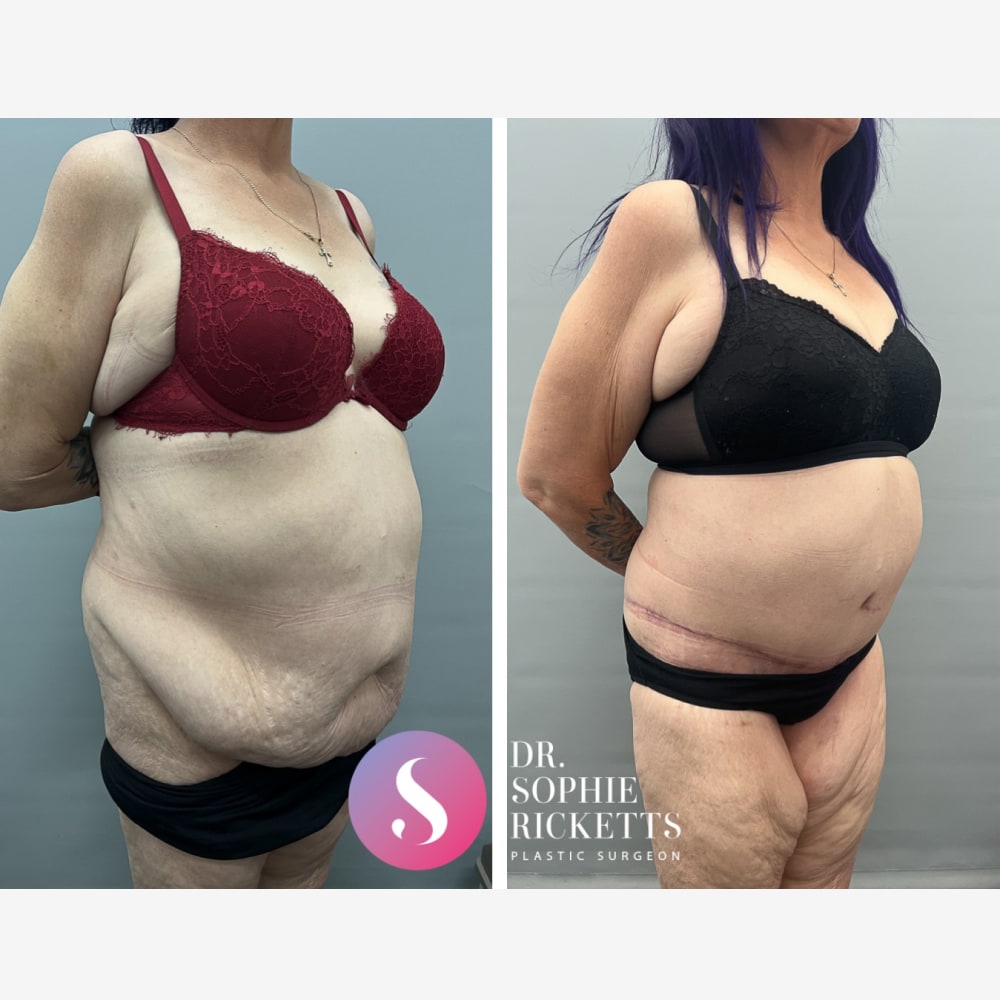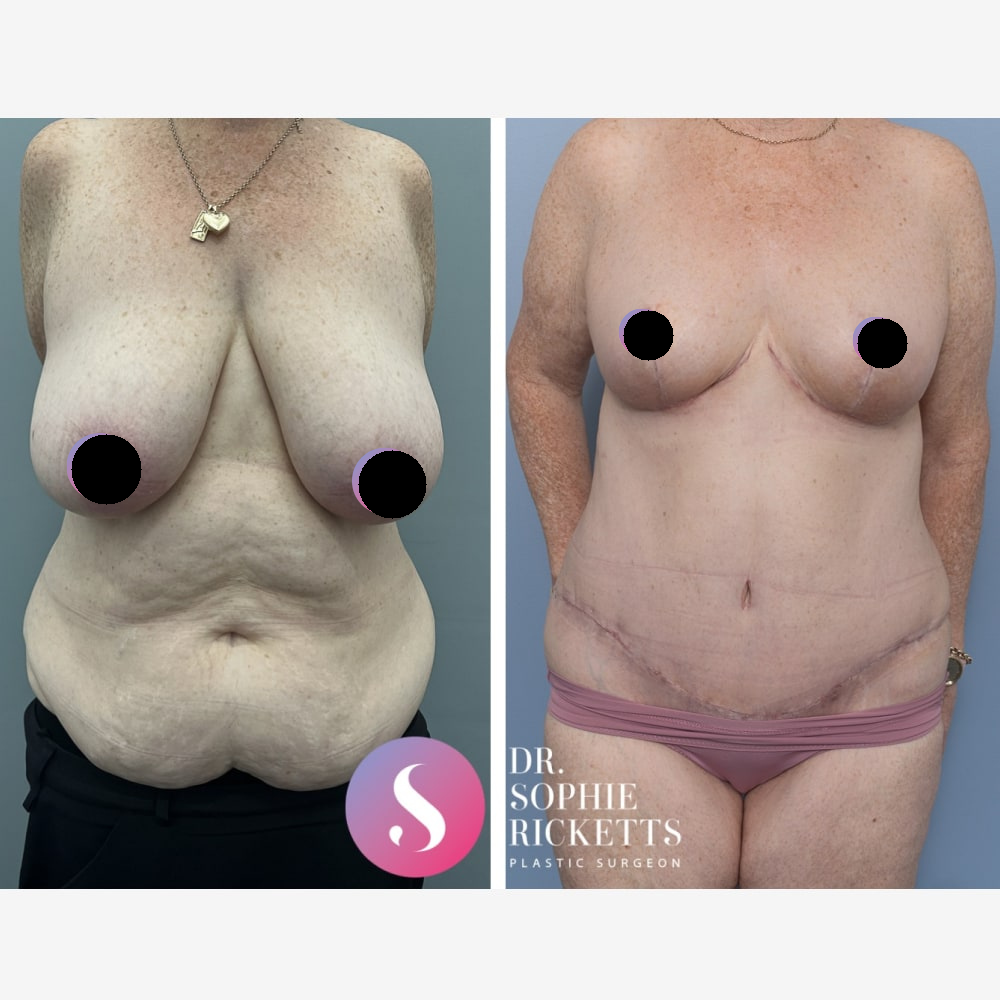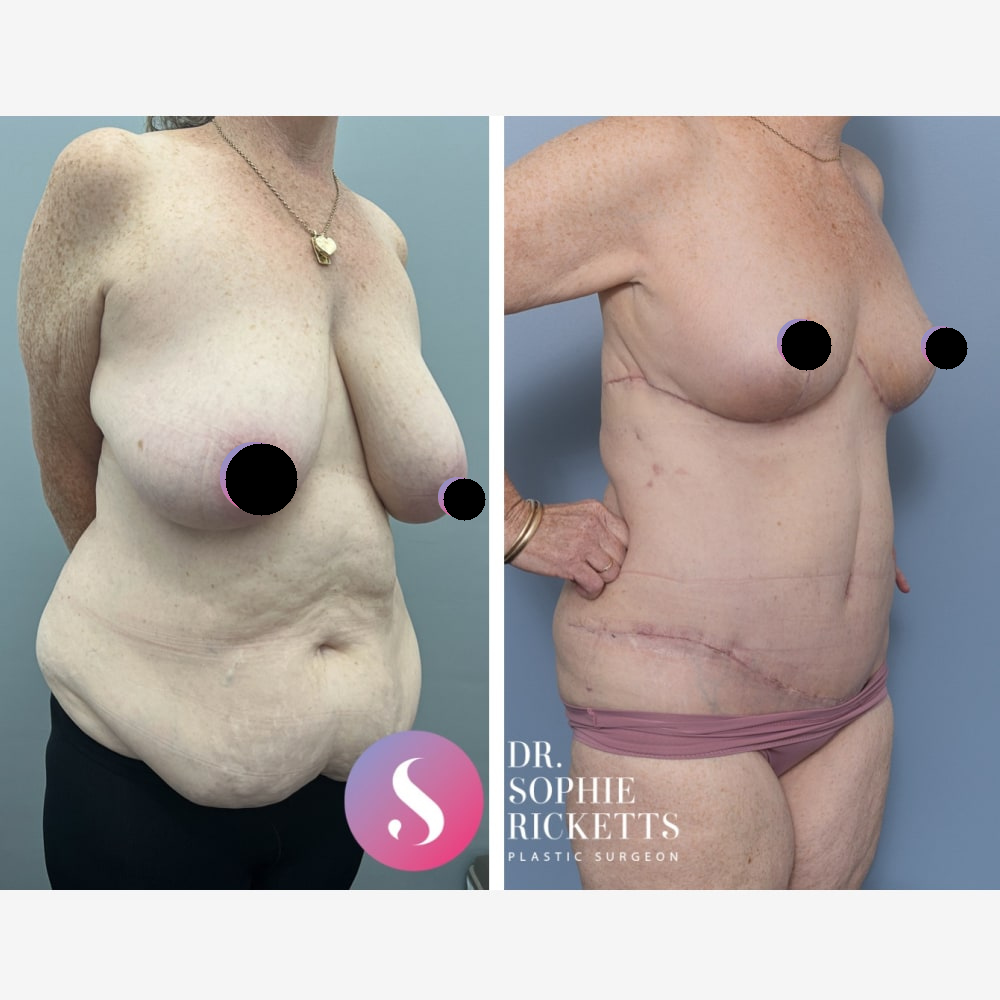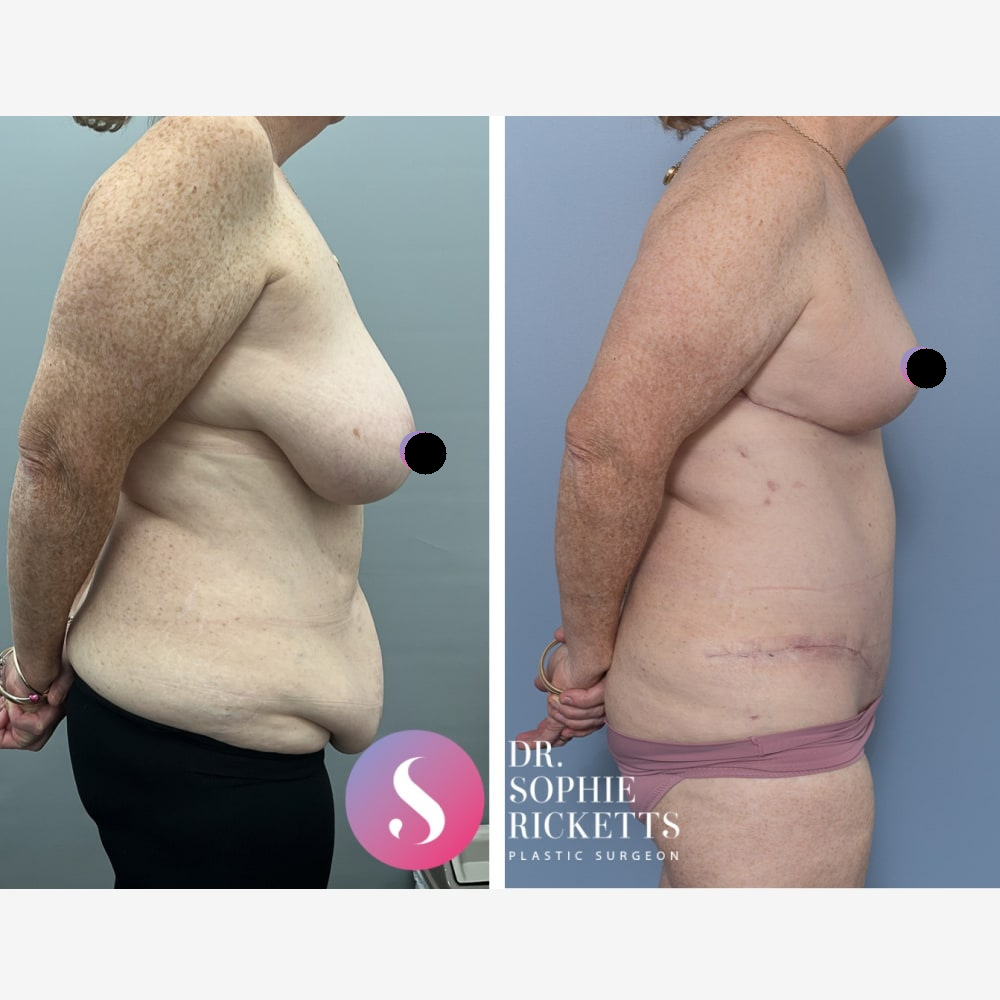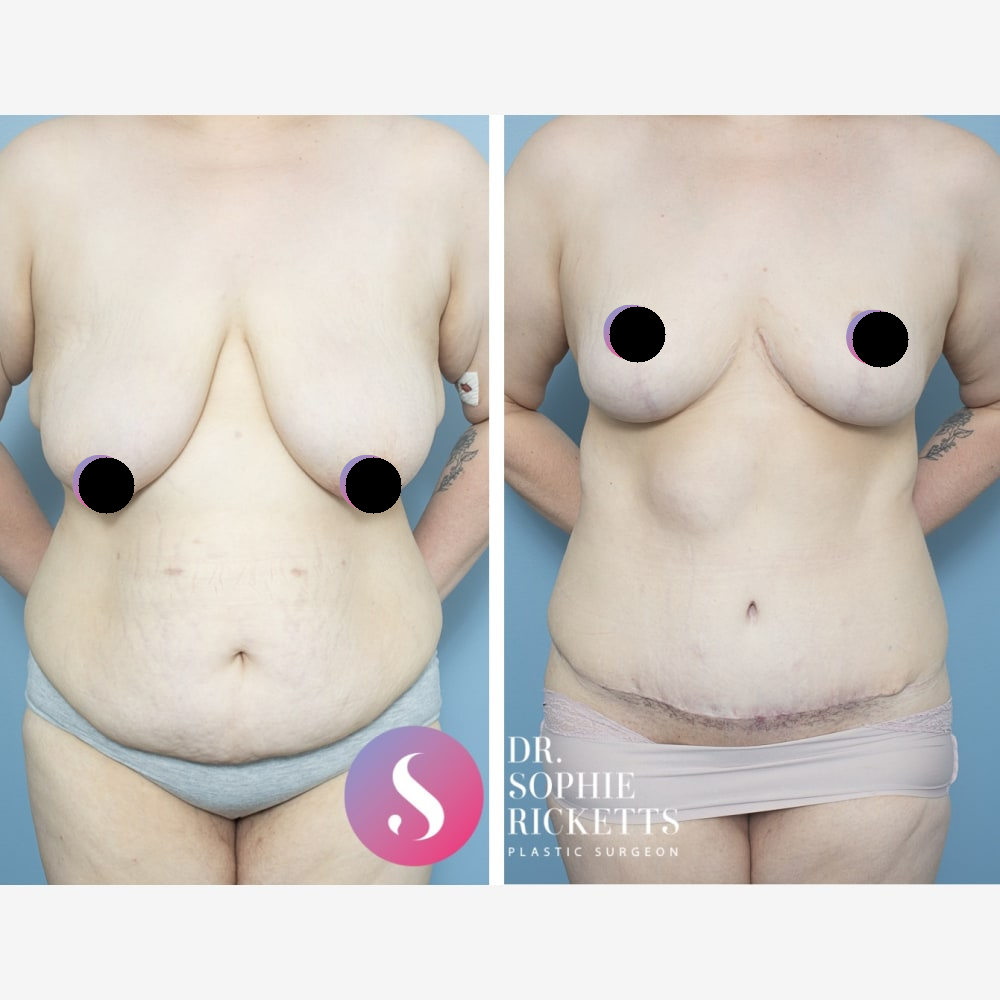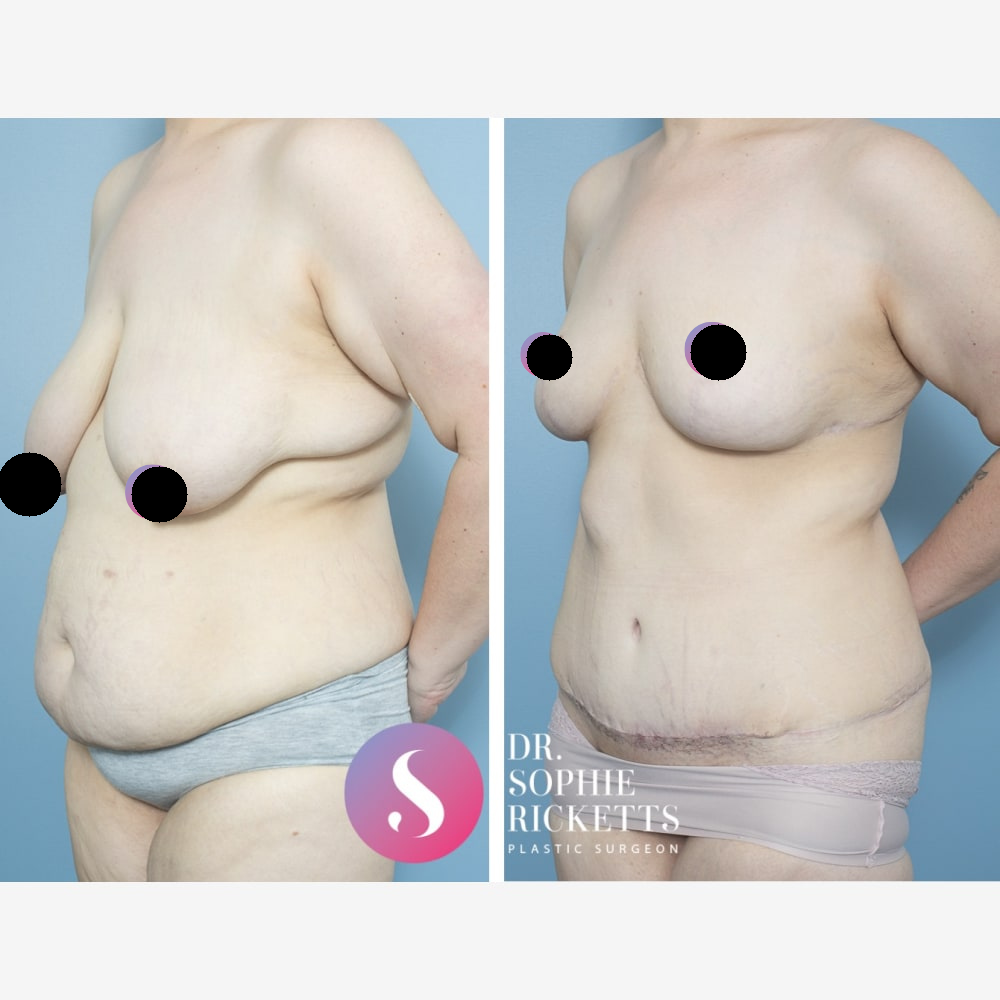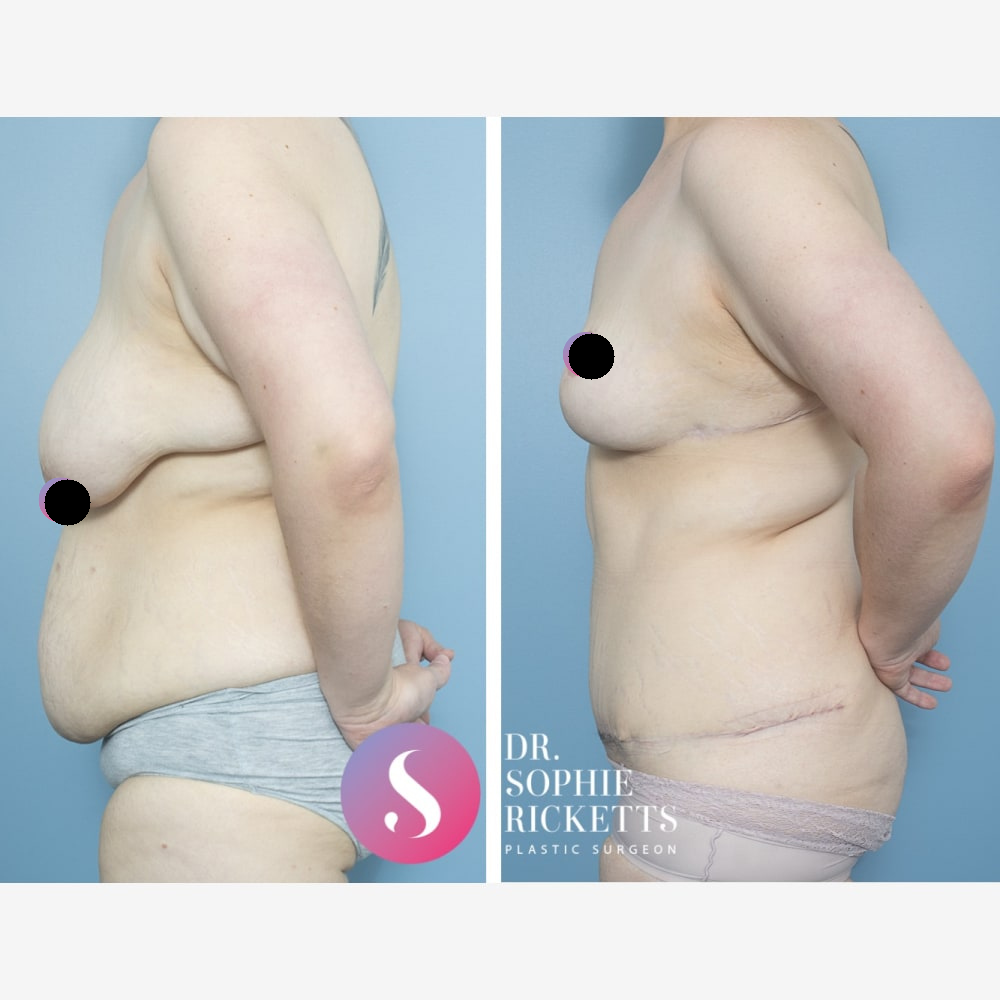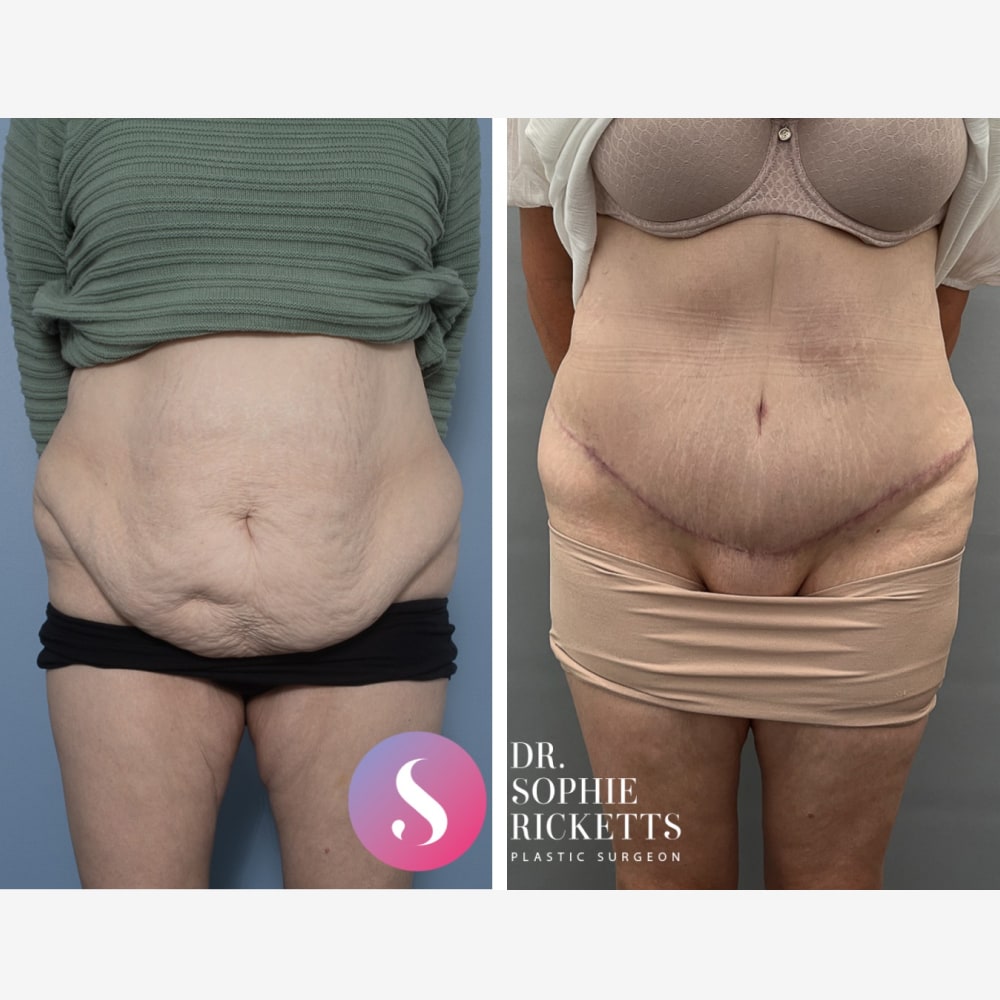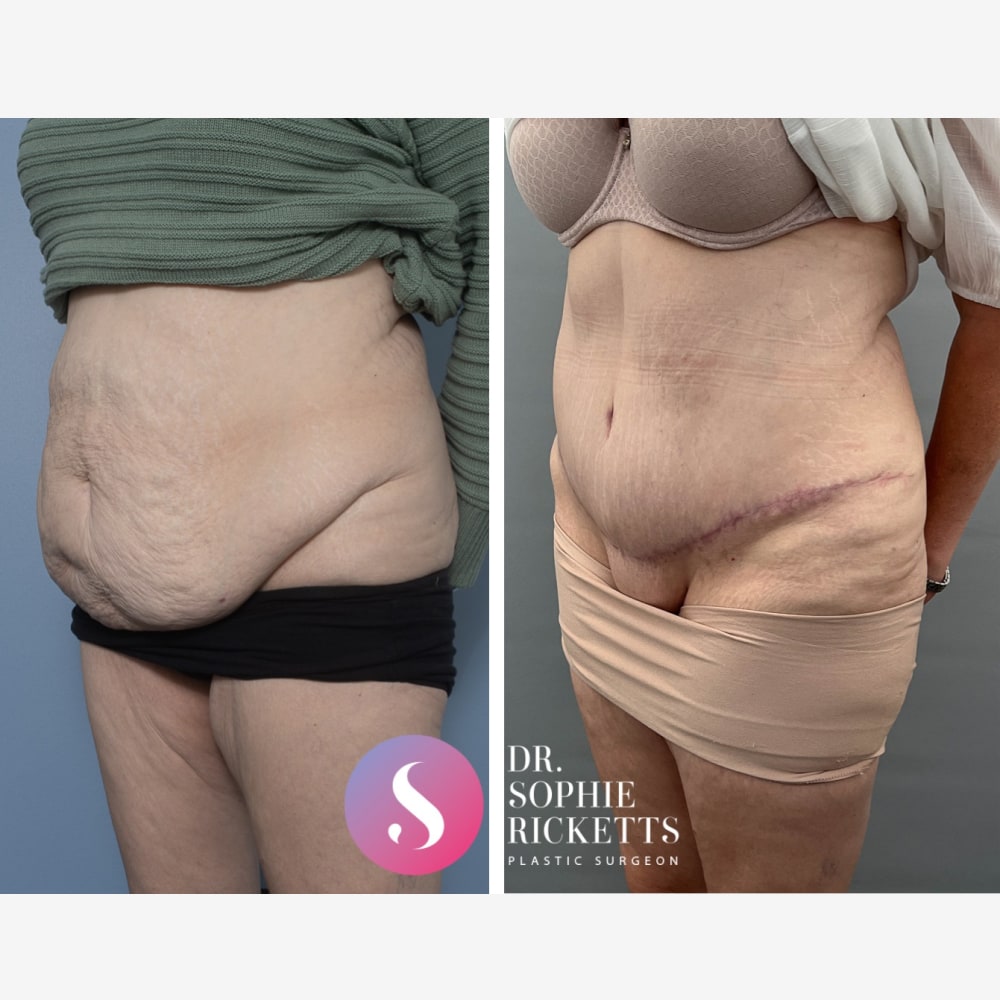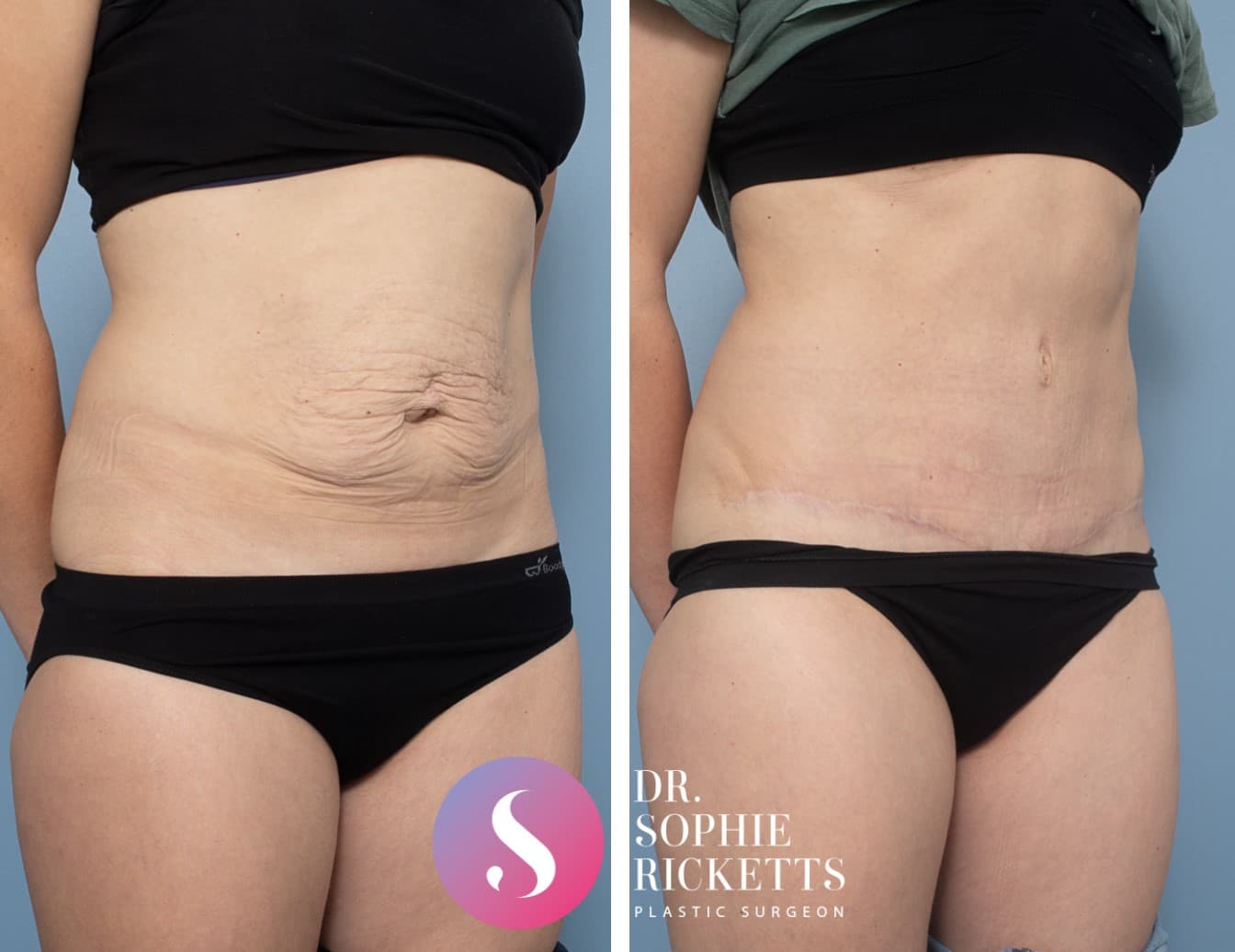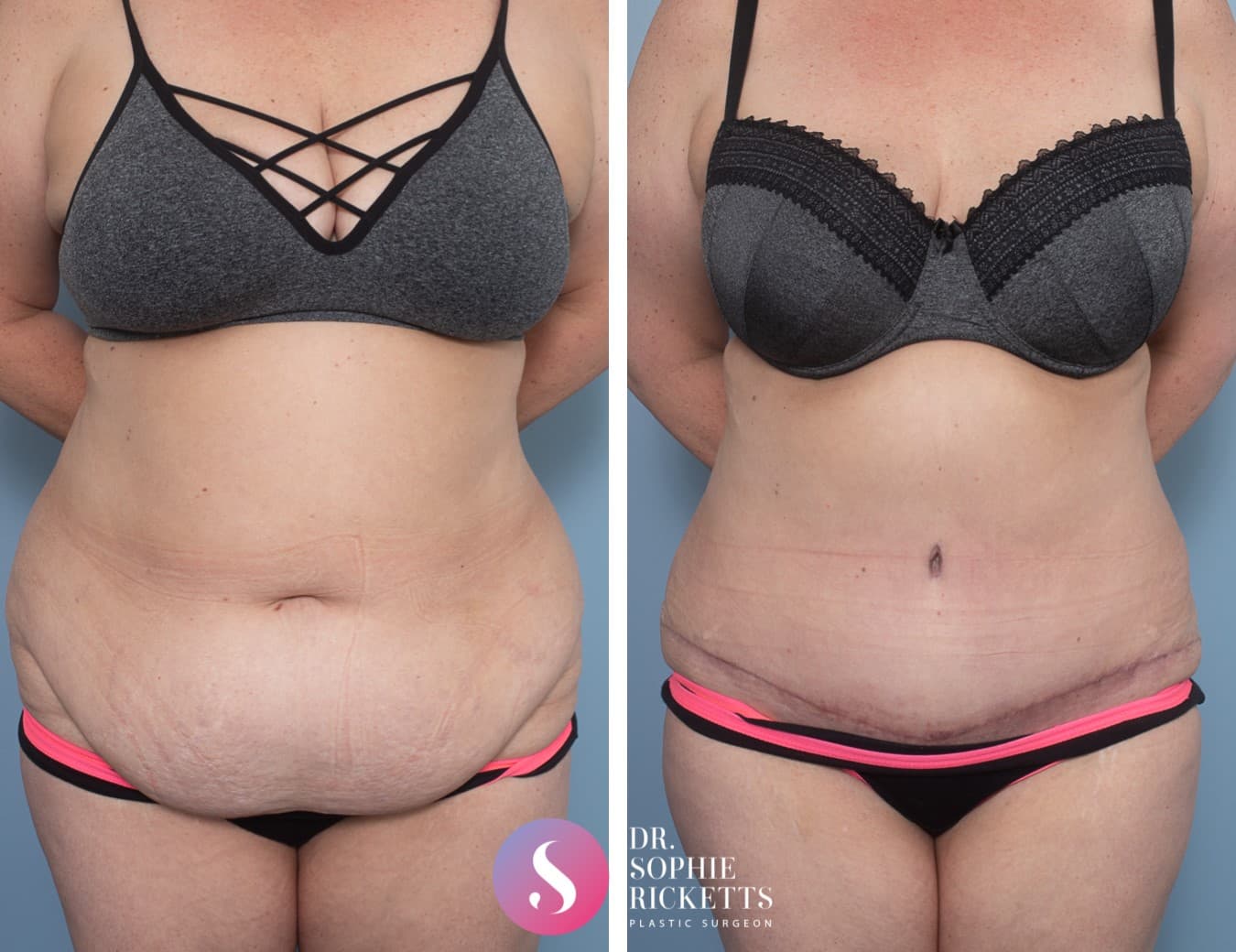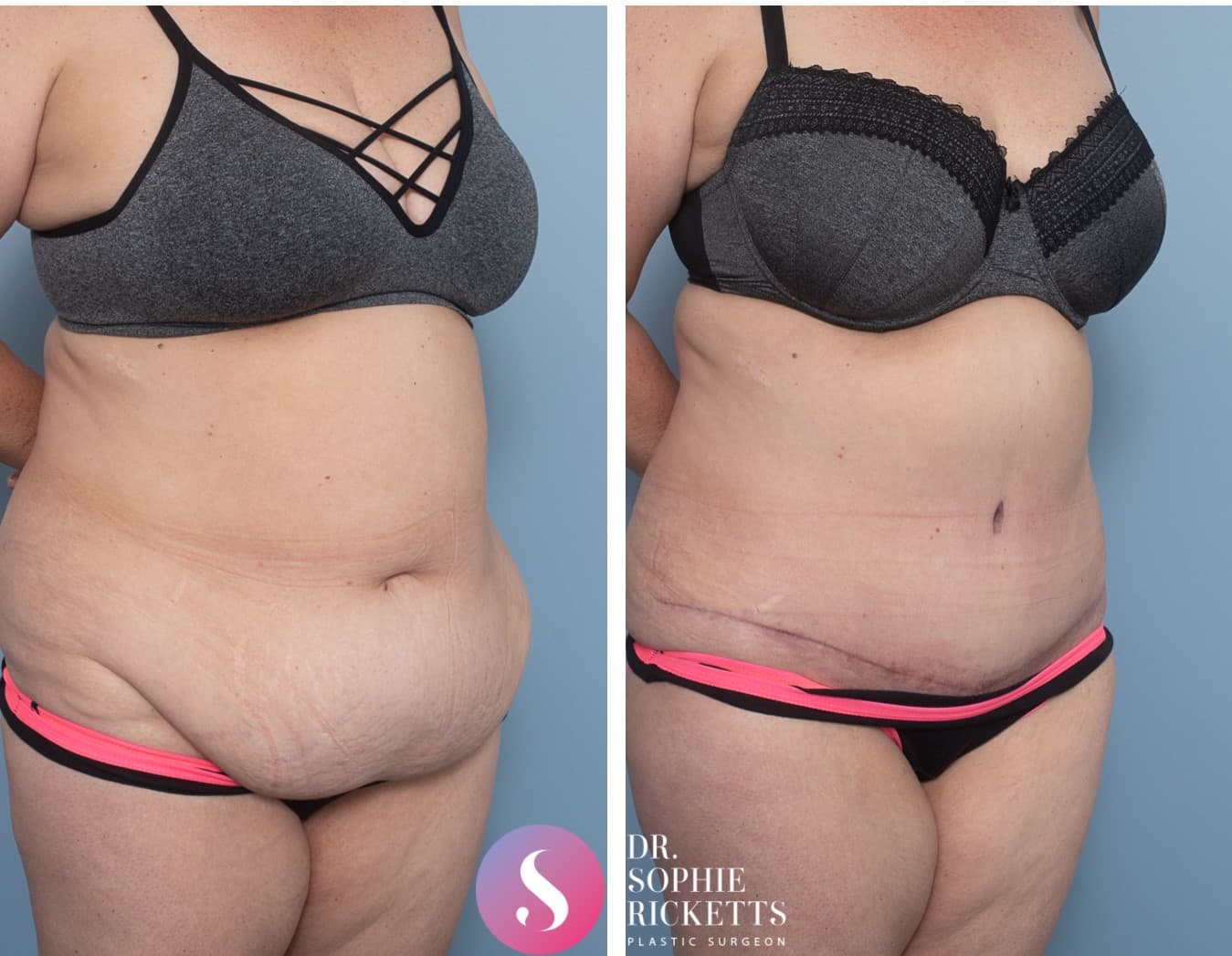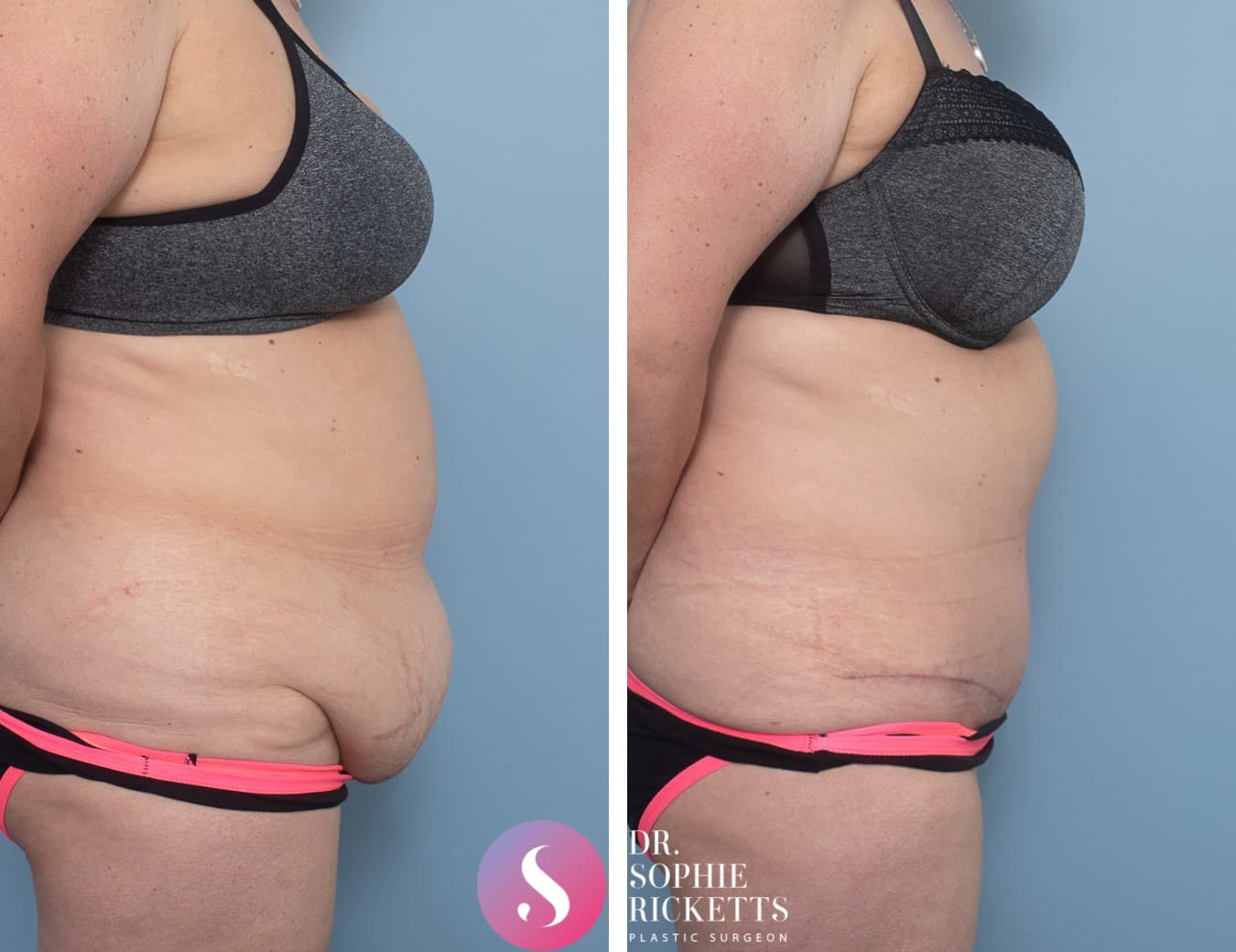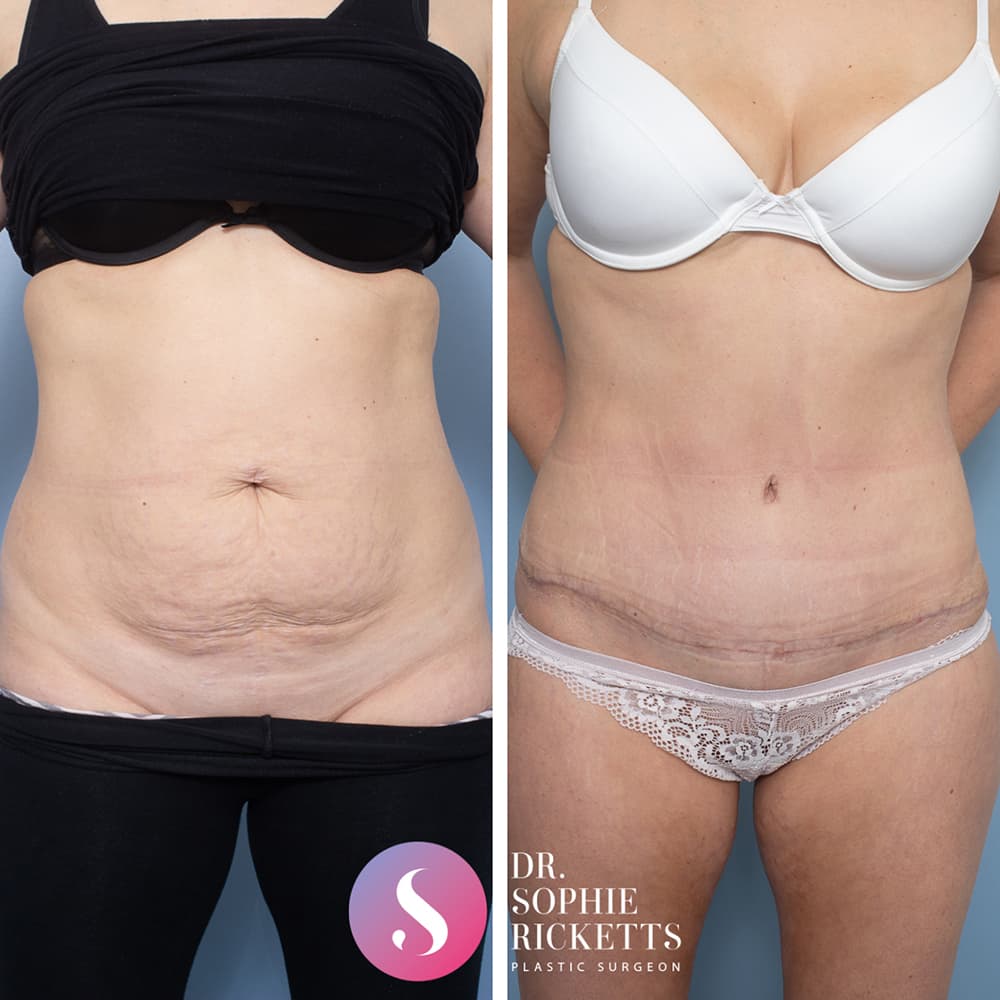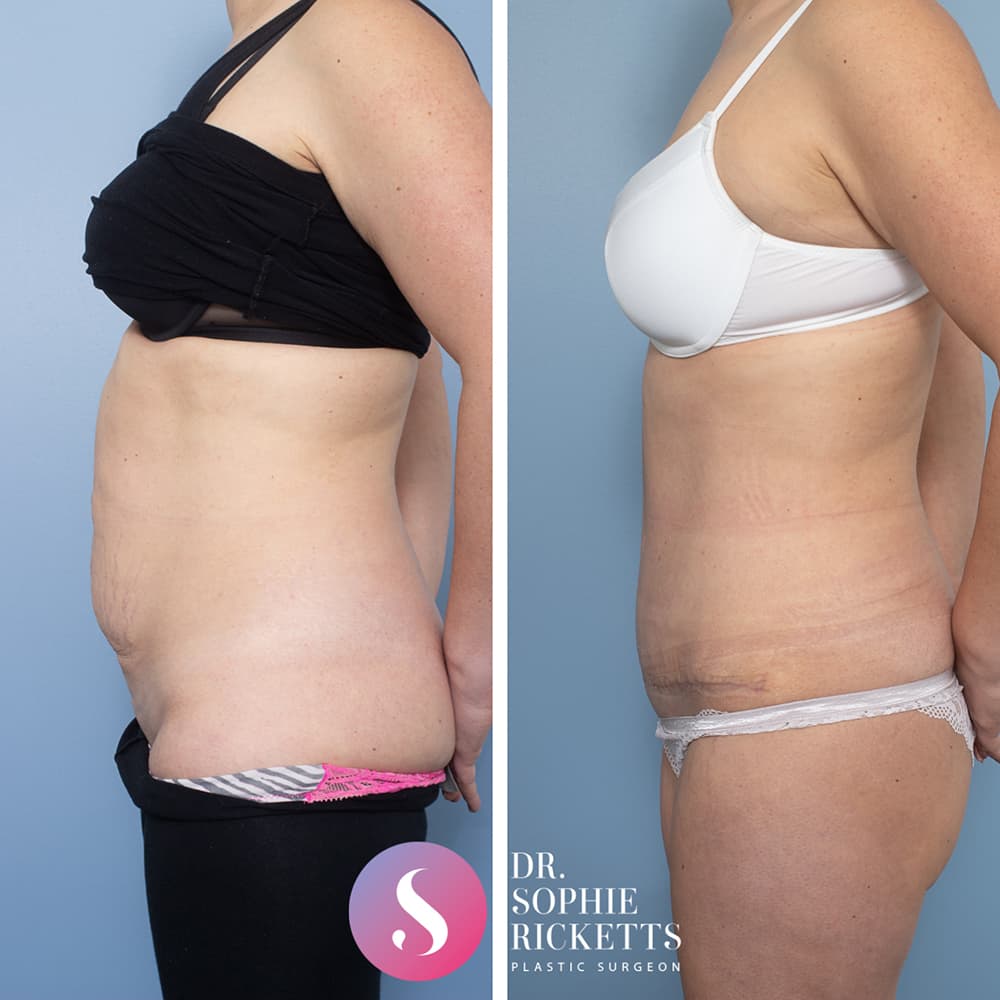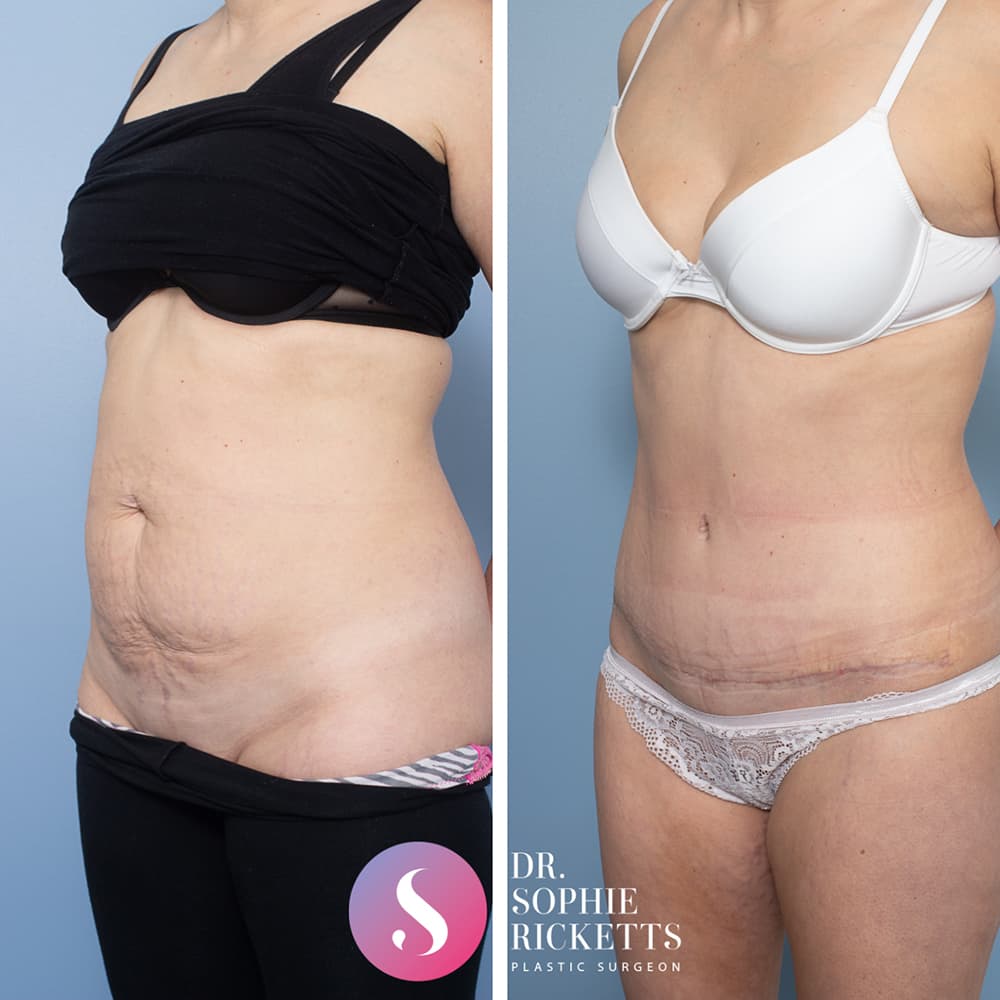

Abdominoplasty
Why might abdominoplasty surgery be considered?
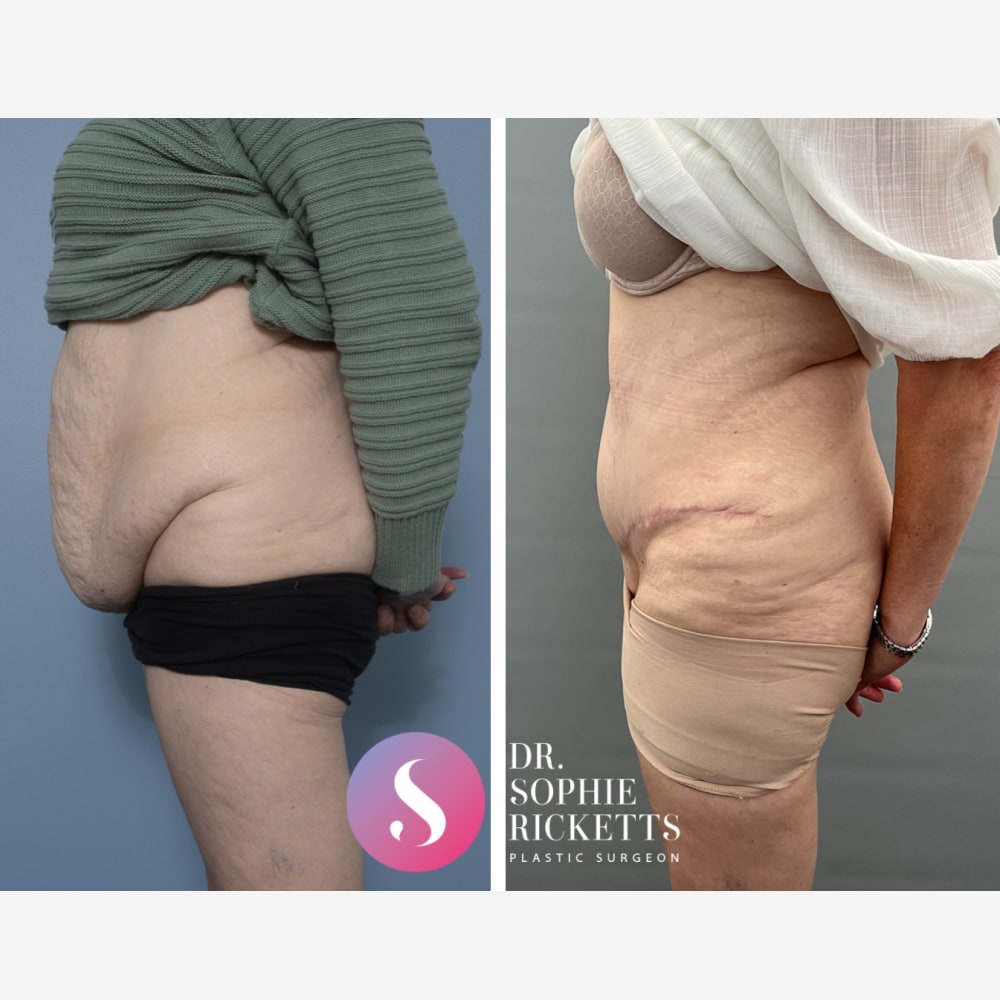
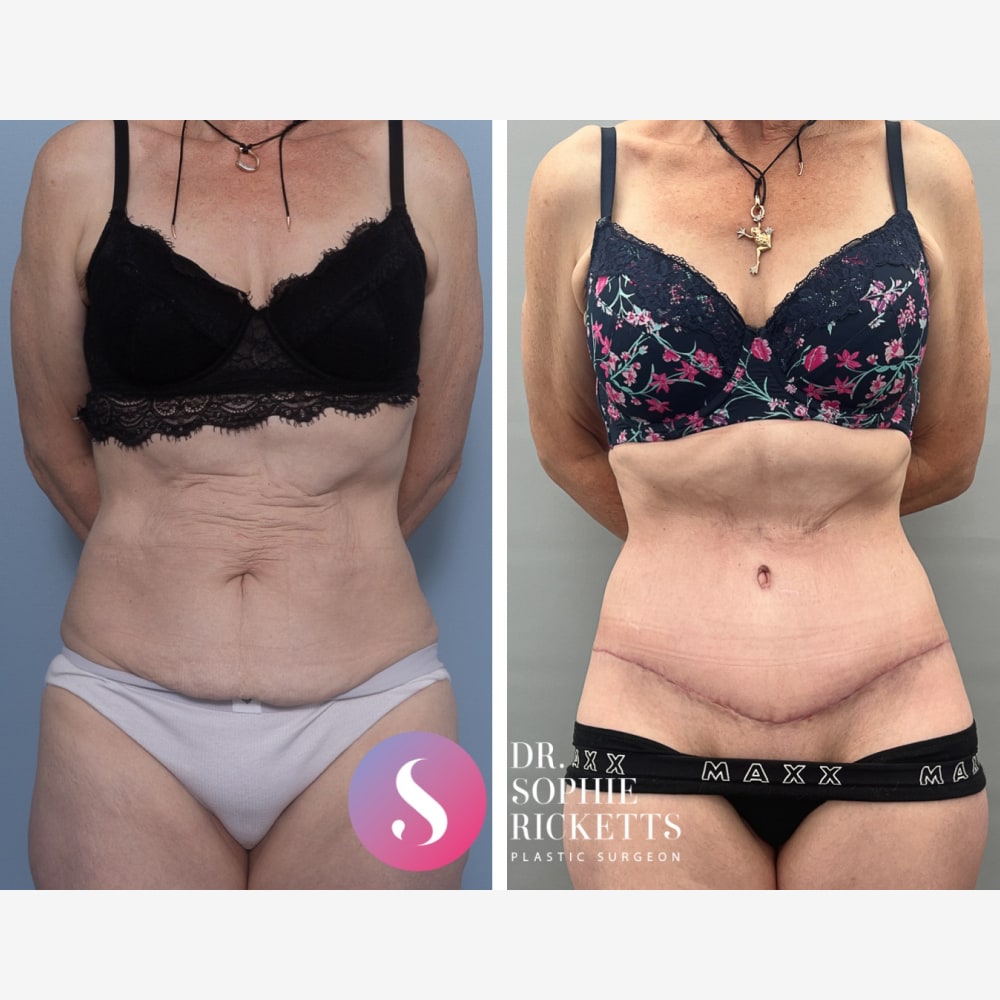
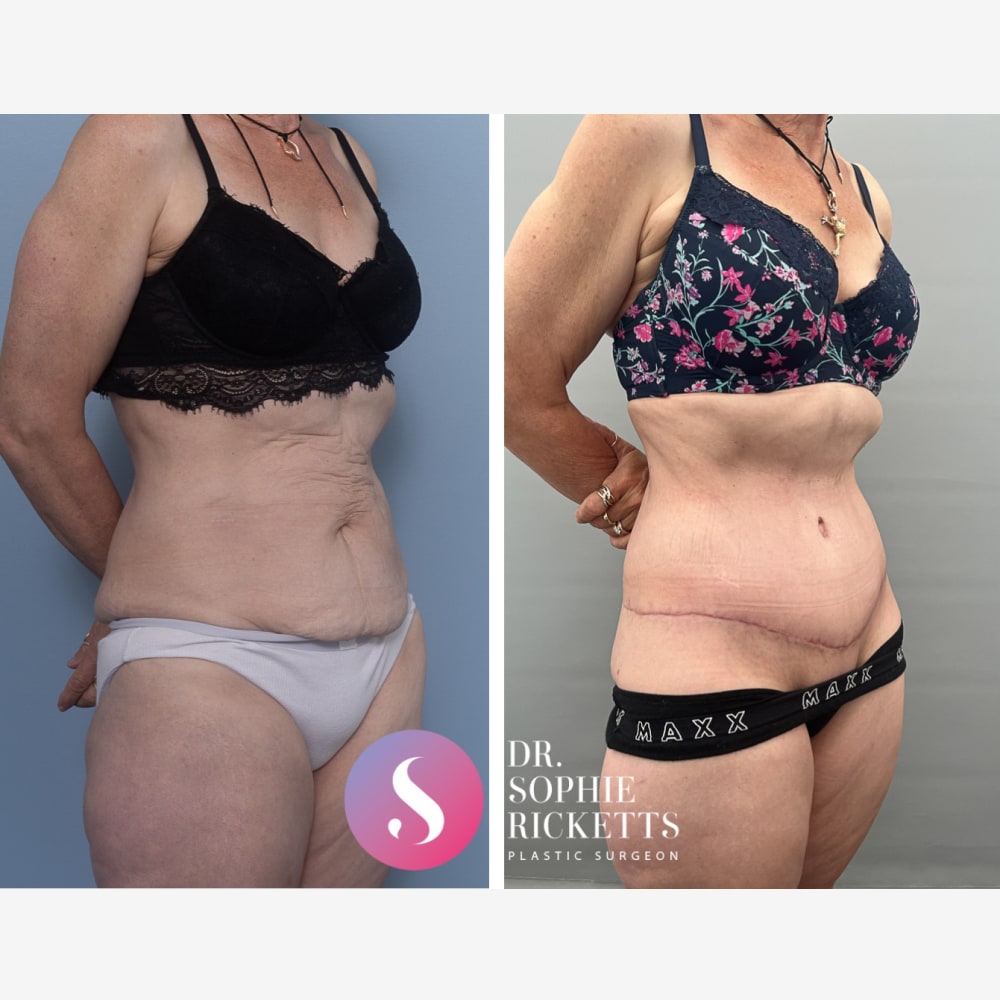
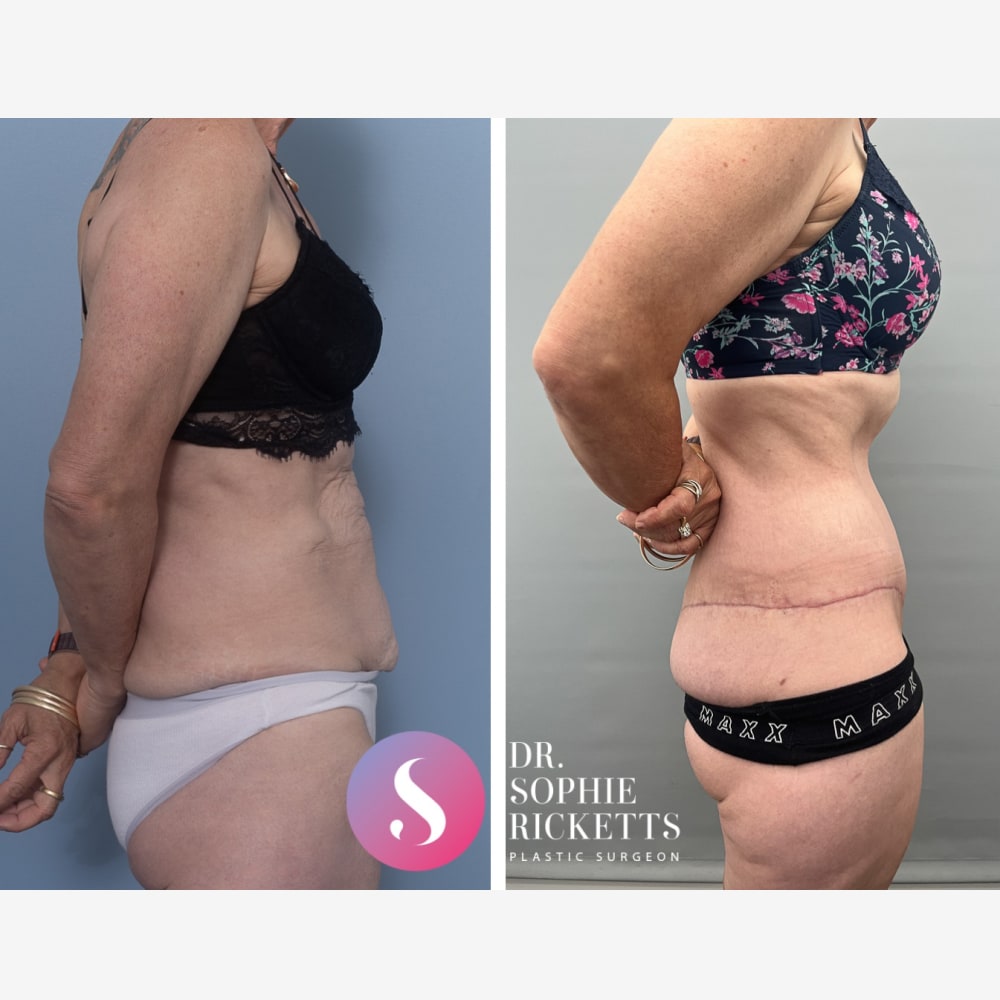
An abdominoplasty is a major surgical procedure performed to address structural changes to the abdominal wall that cannot be corrected through diet or exercise alone. The primary clinical objectives are to remove redundant skin and adipose (fatty) tissue and, where necessary, restore the integrity of the abdominal muscles.
Common Clinical Indications
Specialist Plastic Surgeon Dr Sophie Ricketts may discuss an abdominoplasty in the following clinical scenarios:
- Rectus Diastasis (Muscle Separation): During pregnancy or periods of significant weight gain, the rectus abdominis muscles can separate at the midline (the linea alba). If these muscles do not return to their original position, it can lead to a weakened core and a persistent “bulge” in the abdominal wall.
- Skin Laxity: After significant weight loss or pregnancy, the skin may lose its elasticity, resulting in redundant folds of skin. This excess skin can sometimes lead to secondary clinical issues, such as intertrigo (skin-fold rashes) or hygiene difficulties.
- Abdominal Apron (Pannus): A significant hang of skin and fat (a panniculus) can place strain on the lower back and limit physical mobility.
- Incisional Hernias or Scarring: The procedure may also be considered to repair certain types of ventral hernias or to revise significant scarring from previous abdominal surgeries (such as a Caesarean section).
Who might consider an abdominoplasty?
- After pregnancy: Skin and muscle in the abdominal area may be stretched, and in some cases the abdominal muscles may separate in the midline. For some people, these changes do not fully resolve after pregnancy and weight loss.
- After significant weight loss: Some people experience skin folds, fat deposits, or muscle changes in the abdominal region after weight reduction. These changes can sometimes cause physical symptoms such as irritation or rashes, and may also affect comfort in clothing or during certain activities.
Can liposuction replace a abdominoplasty?
Liposuction and abdominoplasty are different clinical procedures designed to address different anatomical components. While they are often performed together, liposuction can not address skin laxity or muscle separation if present.
Clinical Assessment
A physical examination is required to assess your skin turgor (elasticity) and the integrity of your abdominal muscles. If significant rectus muscle separation or skin folds are present, liposuction alone will not achieve a functional or structural correction.
What is the recovery process?
Hospital stay is usually two nights. Most people are able to manage basic self-care after discharge, but recovery takes time and varies between individuals.
- Activity restrictions: When muscle repair is involved, lifting and strenuous activity are usually limited for at least 6 weeks.
- Return to work: This depends on the type of work undertaken. People with desk-based roles may return earlier than those in physically demanding jobs. Office based work can commence around 4 weeks after surgery.
- Healing: Swelling, bruising, and tightness in the abdomen are common in the initial weeks and may take several months to fully settle. A compression garment plays an important role in assisting the recovery process, reducing swelling and providing support to the muscle repair.
Dr Ricketts will provide recovery advice tailored to your situation.
Abdominoplasty: Risks and Complications
Abdominoplasty is a major surgical procedure intended to remove excess skin and fat from the abdominal region and, where clinically indicated, to repair weakened or separated abdominal muscles (diastasis recti).
All invasive surgery carries significant risks. Dr Sophie Ricketts provides this information to ensure you can make a fully informed decision regarding your surgical journey.
General Surgical Risks
-
Anaesthesia-Related Risks: Potential adverse reactions to general anaesthesia, including respiratory or cardiac complications.
-
Haematoma and Seroma: The accumulation of blood (haematoma) or clear fluid (seroma) under the abdominal wall, which may require surgical drainage or needle aspiration.
-
Infection: Post-operative infection can occur at the incision site or internally, requiring antibiotics or further surgical intervention.
-
Deep Vein Thrombosis (DVT) and Pulmonary Embolism: Surgery of the abdomen carries a higher risk of blood clots in the legs. If a clot travels to the lungs, it can be life-threatening.
-
Poor Wound Healing: Risk of wound breakdown (dehiscence), particularly along the lower horizontal incision. This is significantly increased in patients who smoke or have diabetes.
Specific Risks of Abdominoplasty
-
Permanent Scarring: A long horizontal scar will be present across the lower abdomen, along with a scar around the umbilicus (belly button). While these typically fade, their final appearance is unpredictable.
-
Nerve Sensation Changes: Temporary or permanent numbness is very common in the lower abdominal skin following surgery.
-
Skin or Fat Necrosis: Areas of skin or fatty tissue may lose blood supply and die. This may result in firm lumps or, in severe cases, require further surgery or skin grafting.
-
Umbilicus (Belly Button) Complications: Potential for the belly button to appear asymmetric, change shape, or in rare cases, be lost due to compromised blood supply.
-
Asymmetry: Variations in healing or underlying tissue may result in differences between the left and right sides of the abdomen.
-
Contour Irregularities: The appearance of “dog ears” (excess skin puckering) at the ends of the incisions, or unevenness in the abdominal contour.
-
Recurrent Laxity: Changes in weight or future pregnancies can lead to the recurrence of skin laxity or muscle separation.
Your Consultation Process
A consultation with Dr Sophie Ricketts, Specialist Plastic Surgeon, is a comprehensive clinical assessment to determine your suitability for surgery. This process is designed to ensure you are fully informed of the potential risks, expected clinical outcomes, and available non-surgical alternatives relevant to your circumstances.
In accordance with the Medical Board of Australia’s mandatory guidelines for cosmetic surgery:
-
Clinical Evaluation: Dr Ricketts will assess your medical history and physical anatomy to determine if the procedure is clinically appropriate.
-
Psychological Screening: A mandatory assessment for Body Dysmorphic Disorder (BDD) and psychological readiness is required for all patients.
-
GP Referral: You must provide a valid referral from your General Practitioner prior to your initial consultation.
-
Two-Stage Process: A minimum of two pre-operative consultations is required.
-
Cooling-Off Period: After your second consultation, a mandatory 7-day cooling-off period must elapse before any surgery can be booked or payments made.
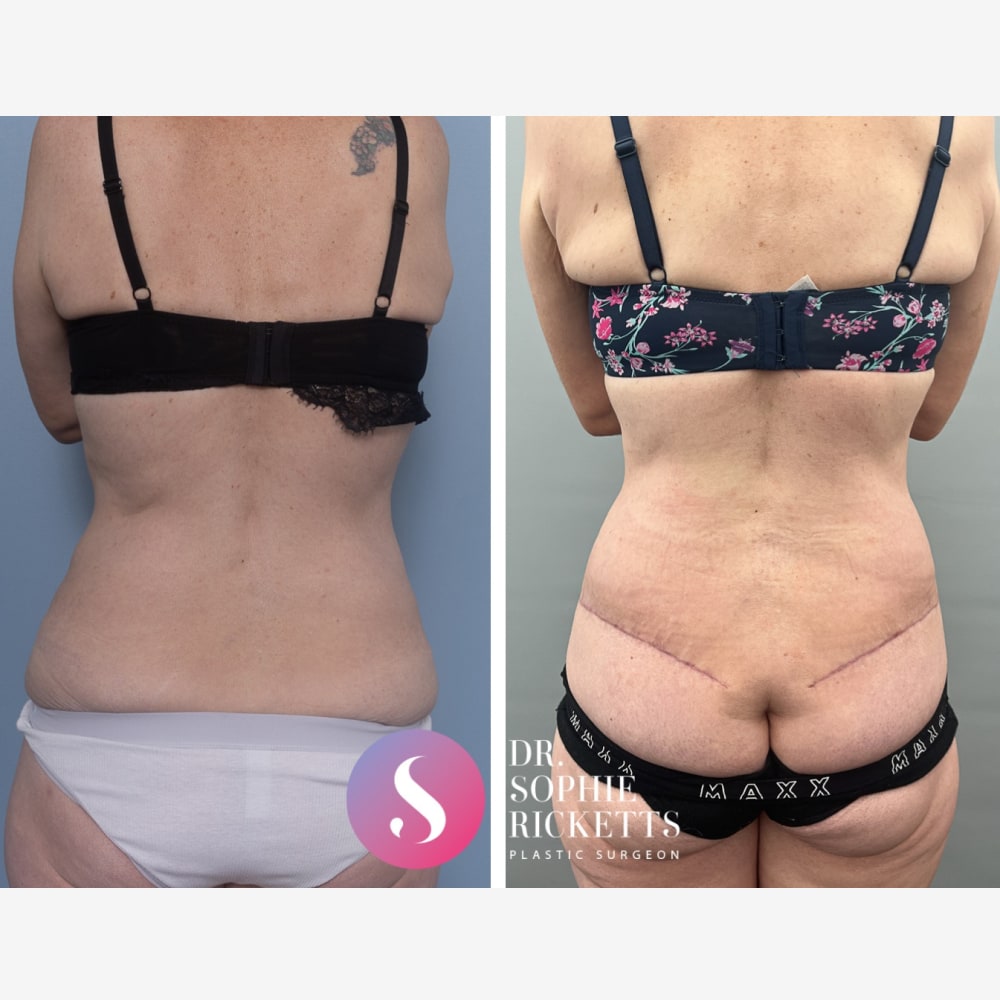
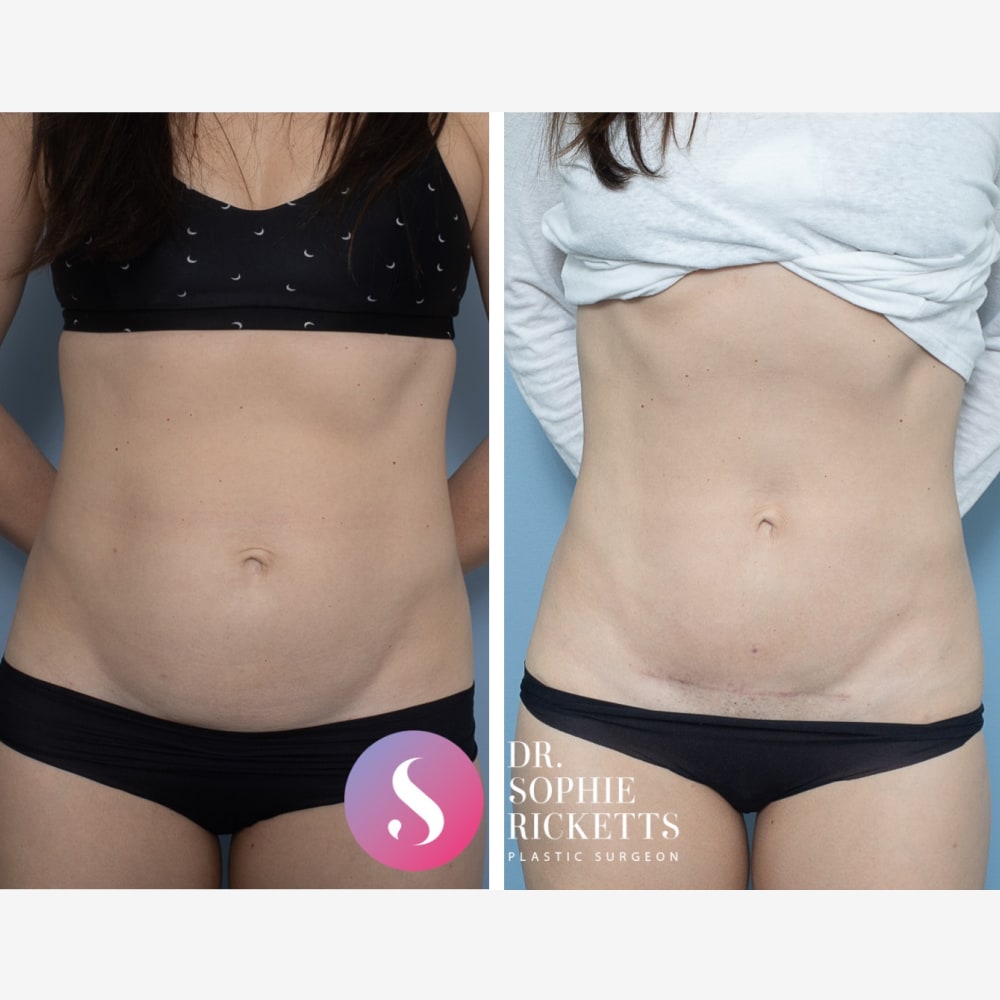
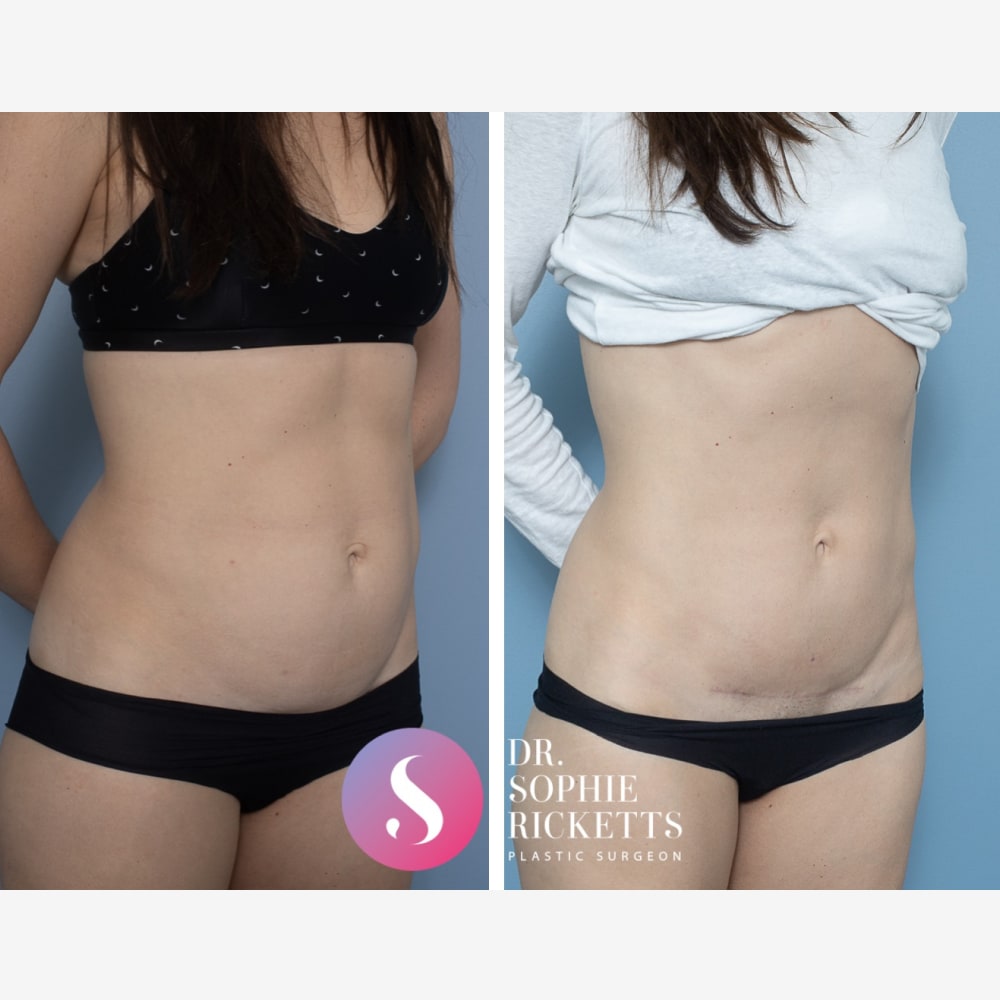
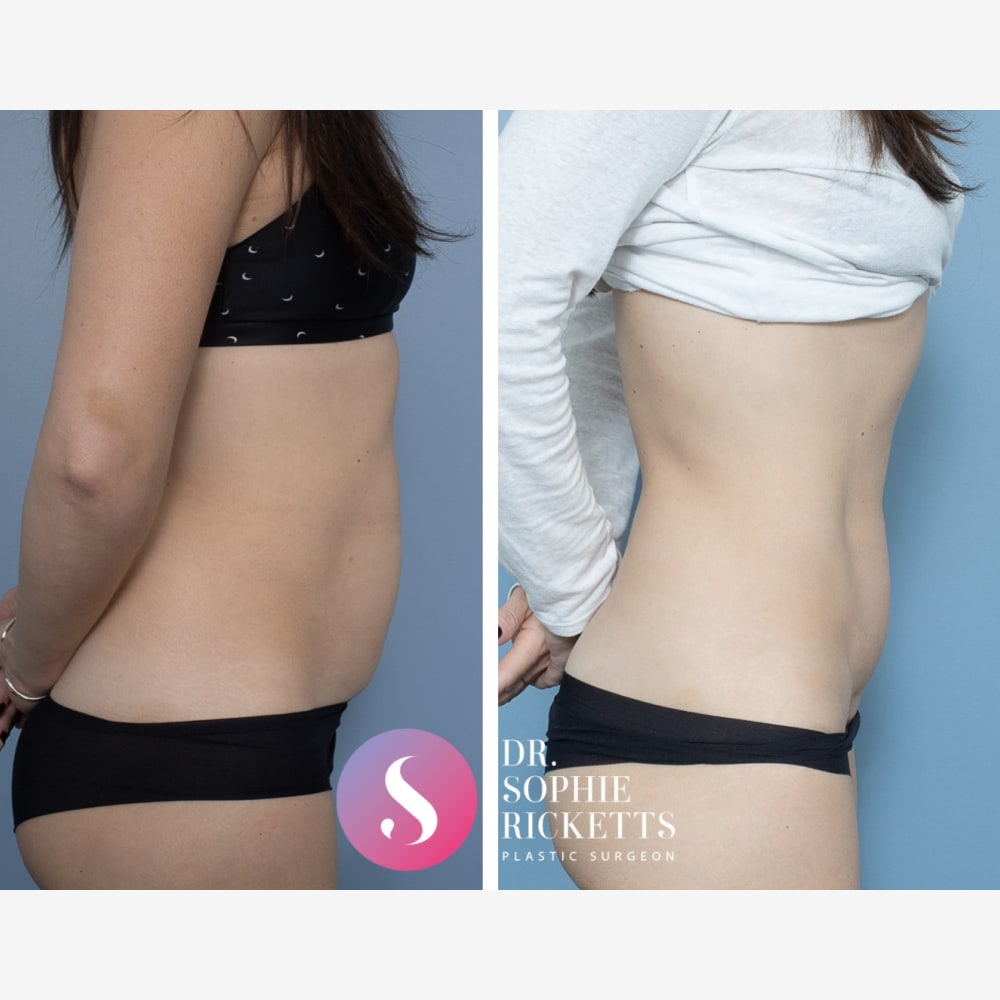
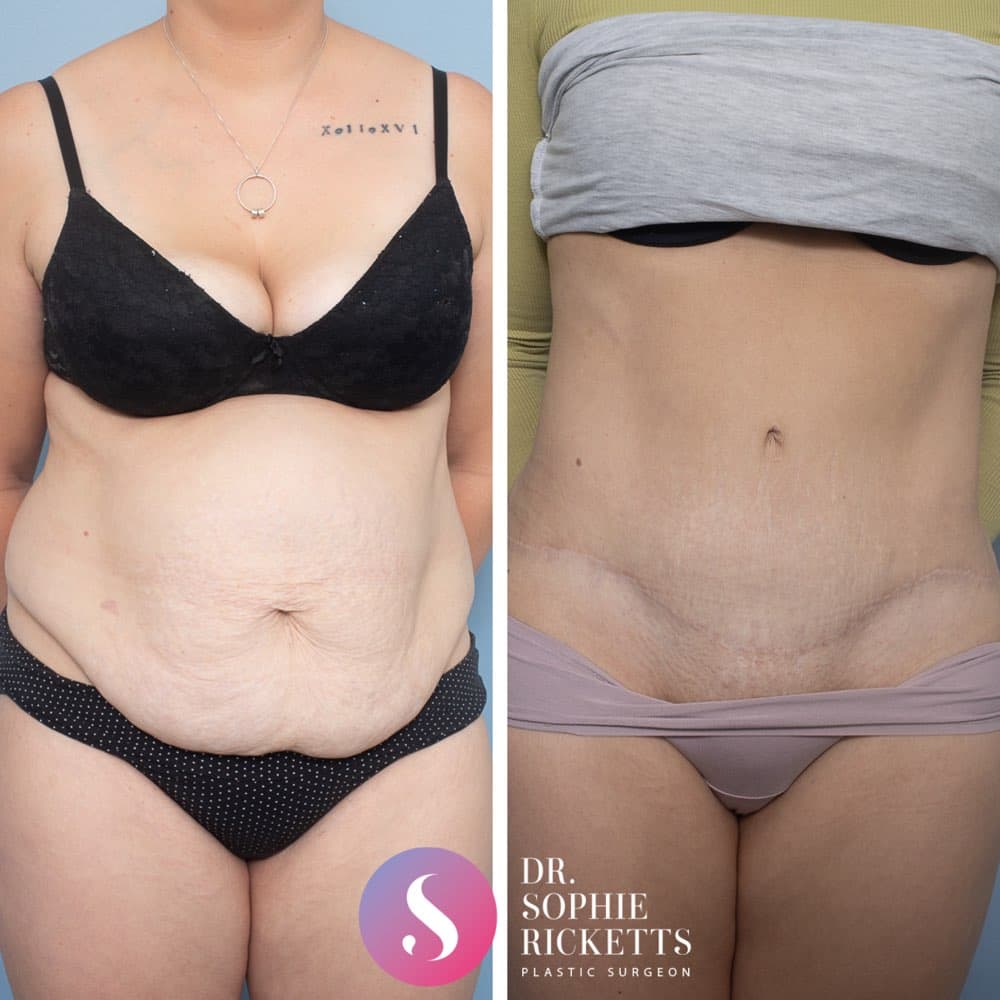
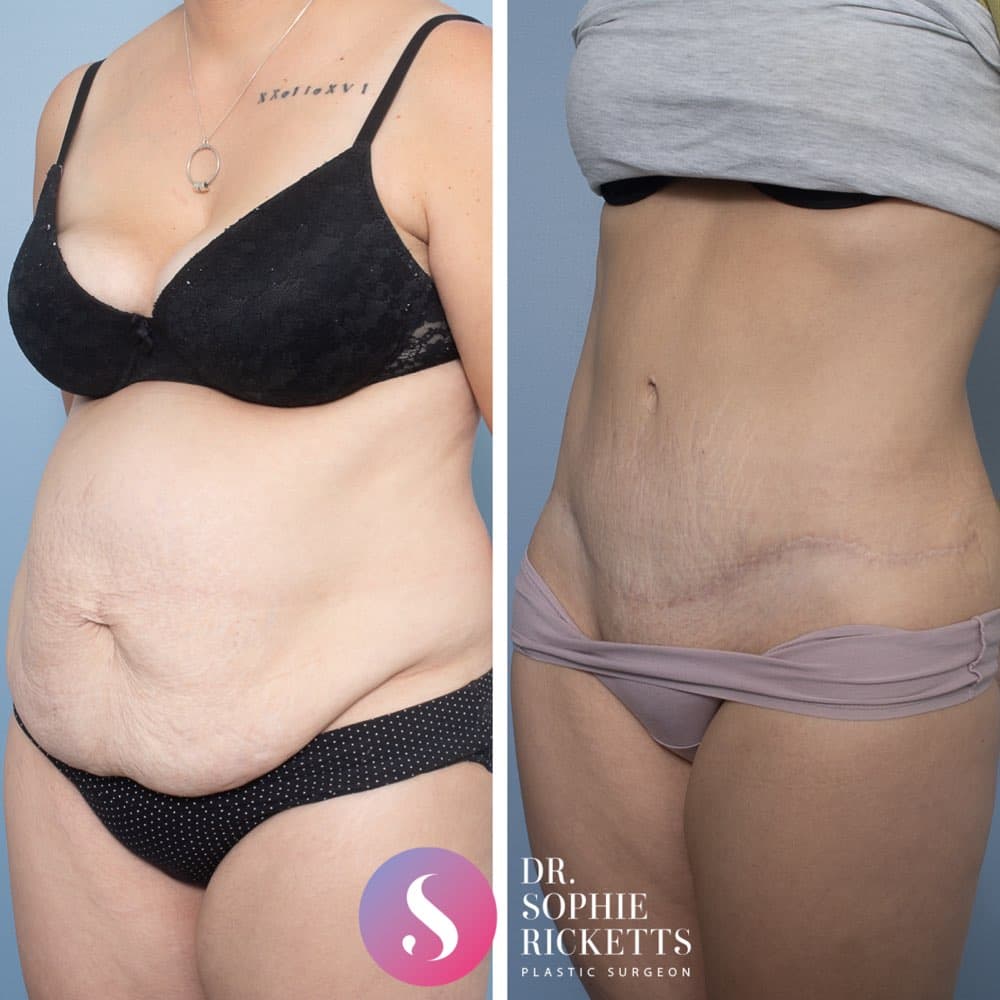
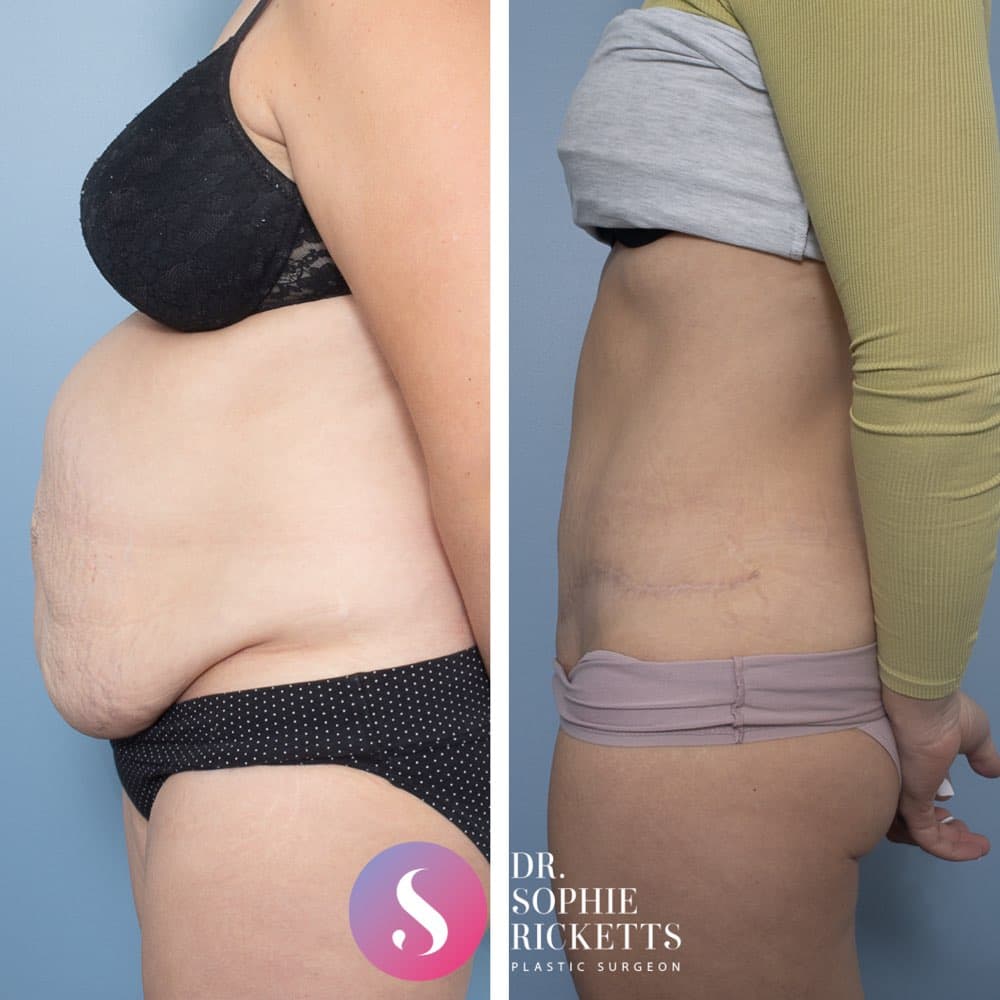
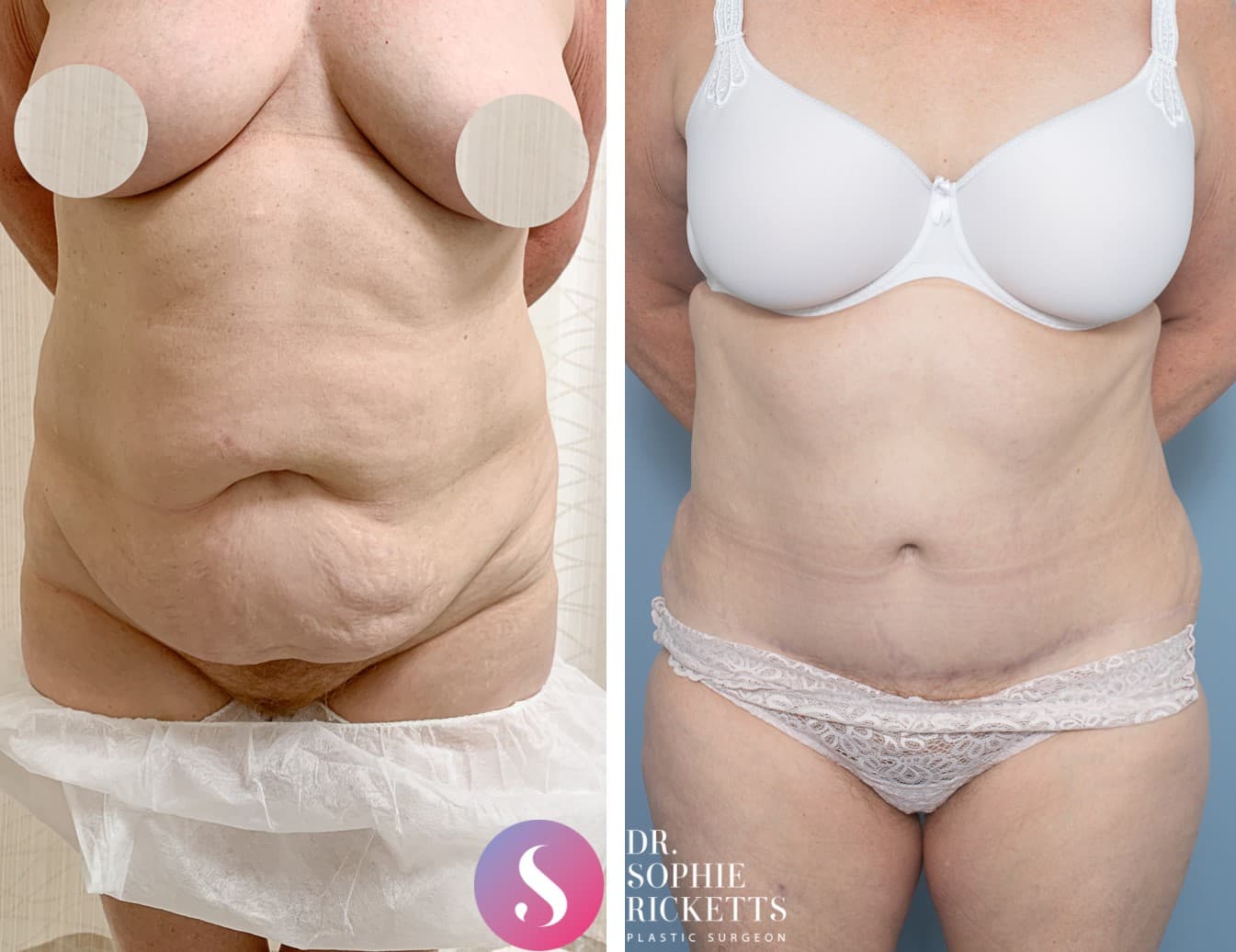
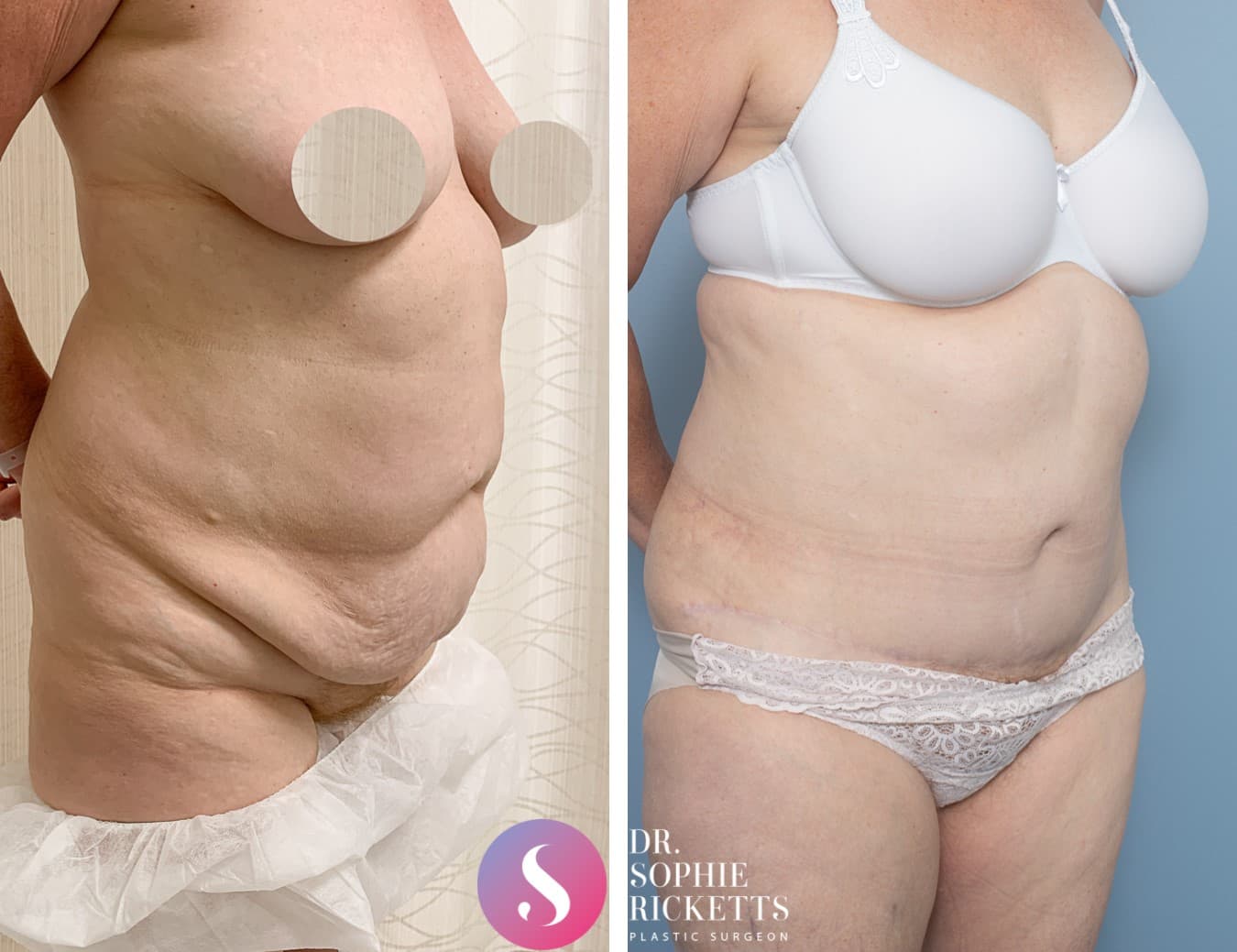
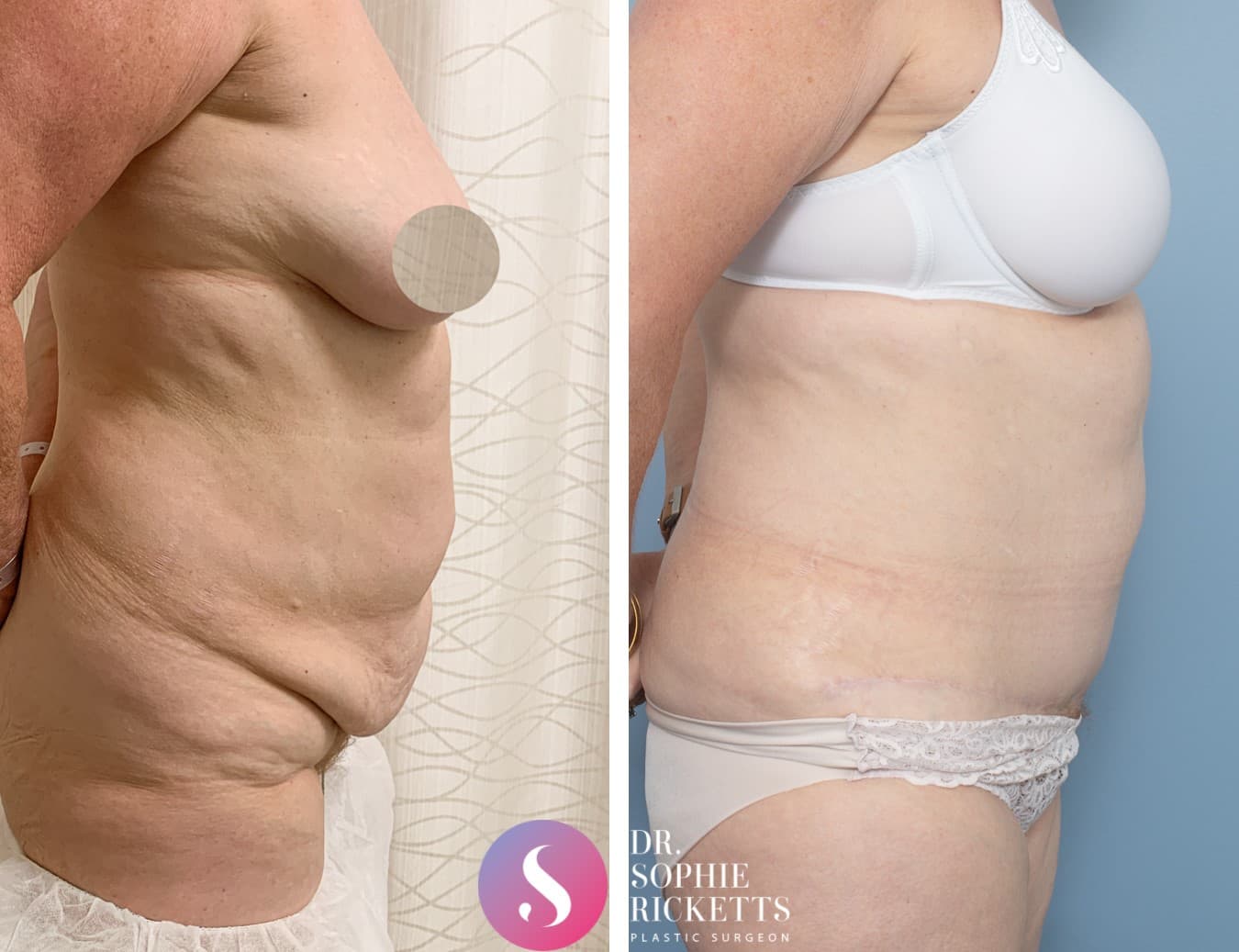
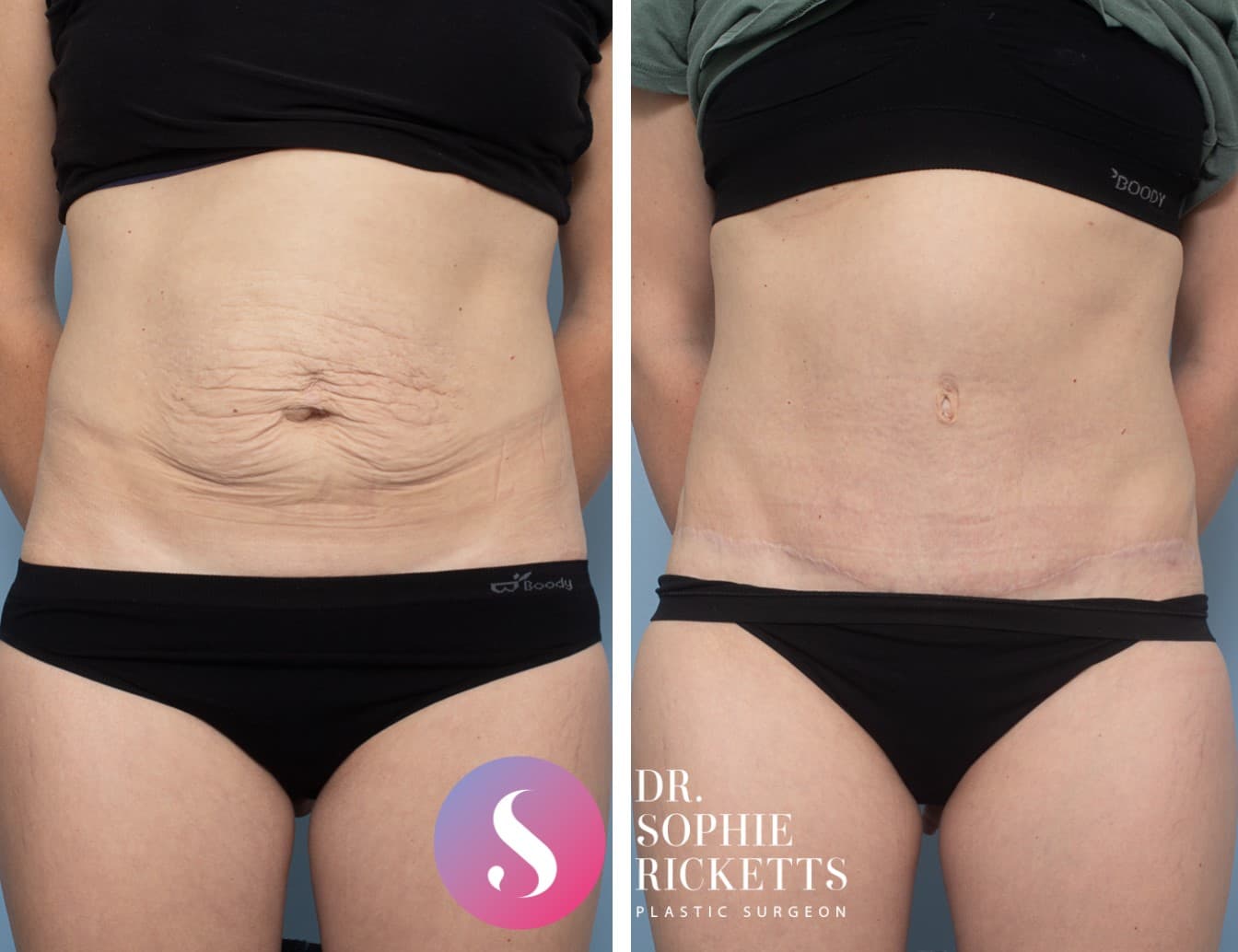
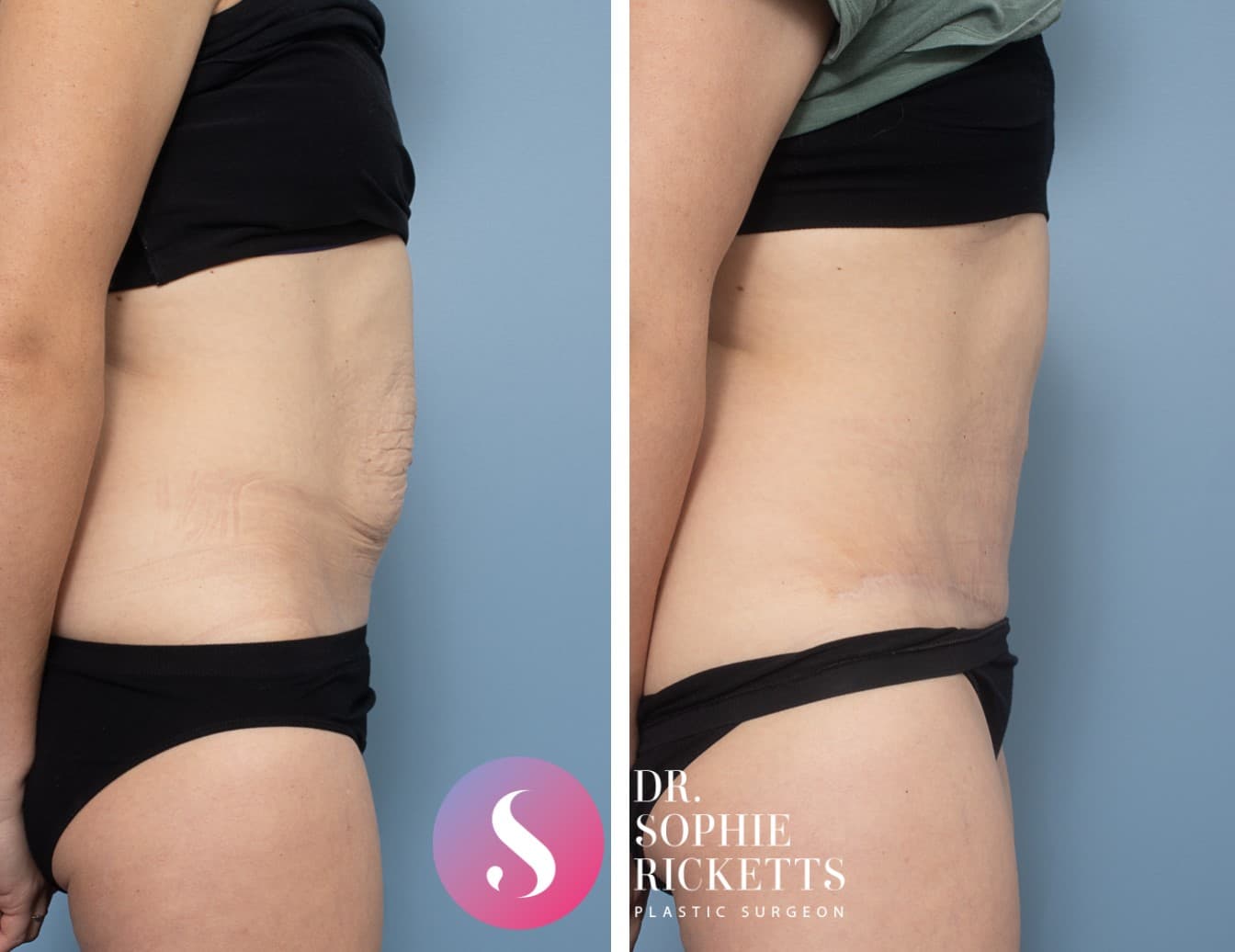
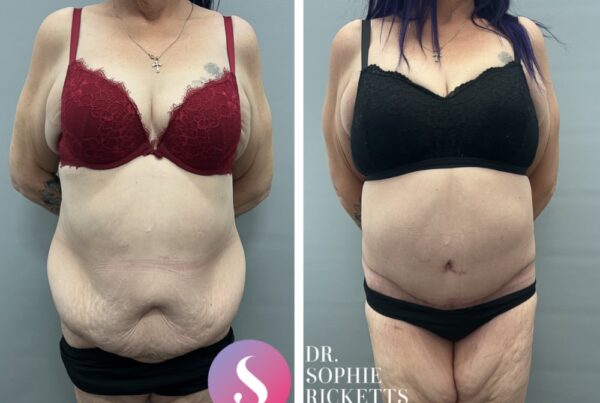
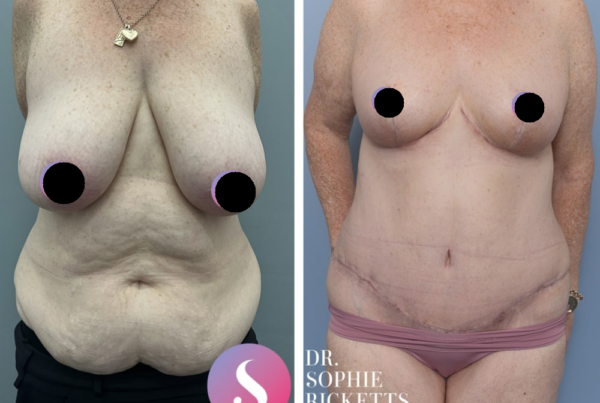
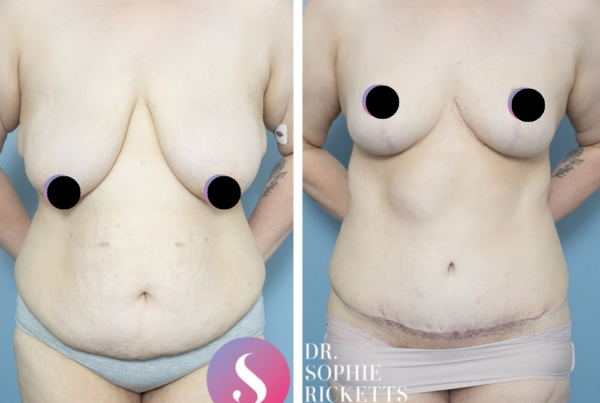
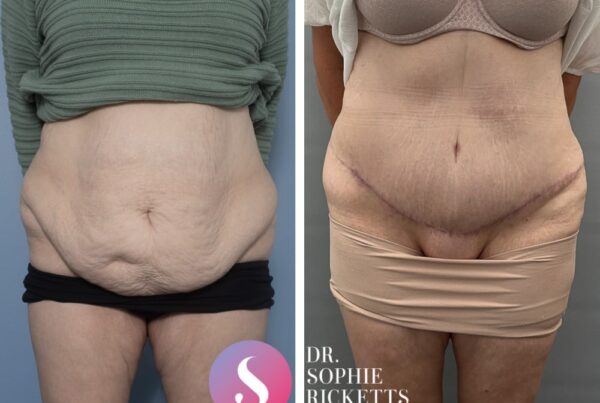
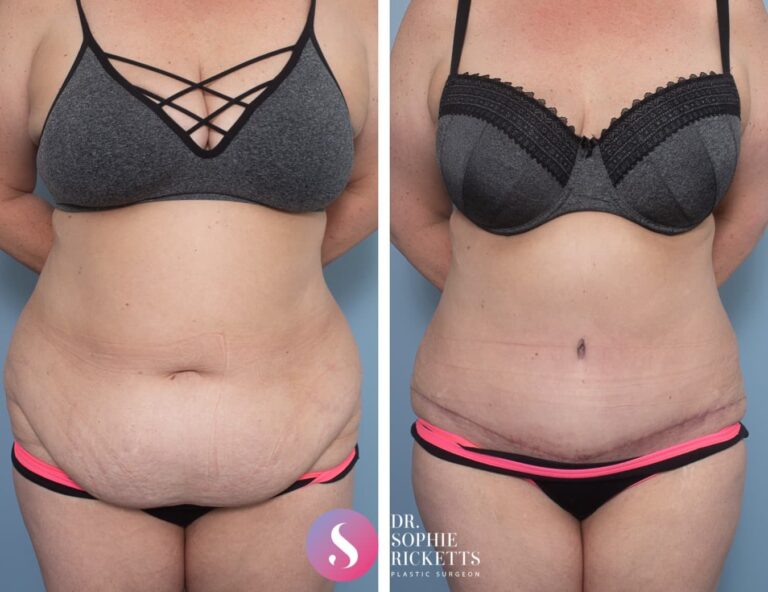
Gallery
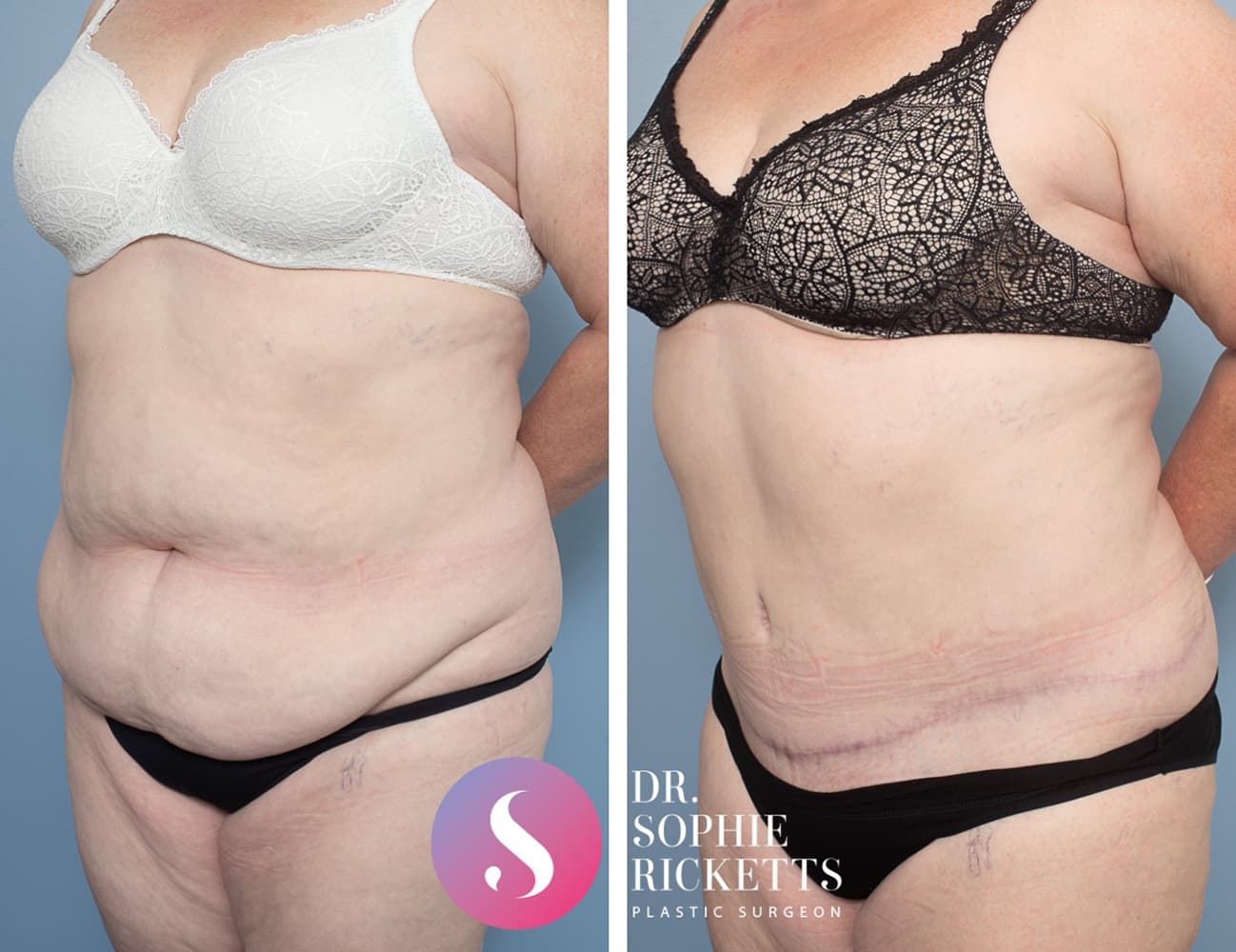
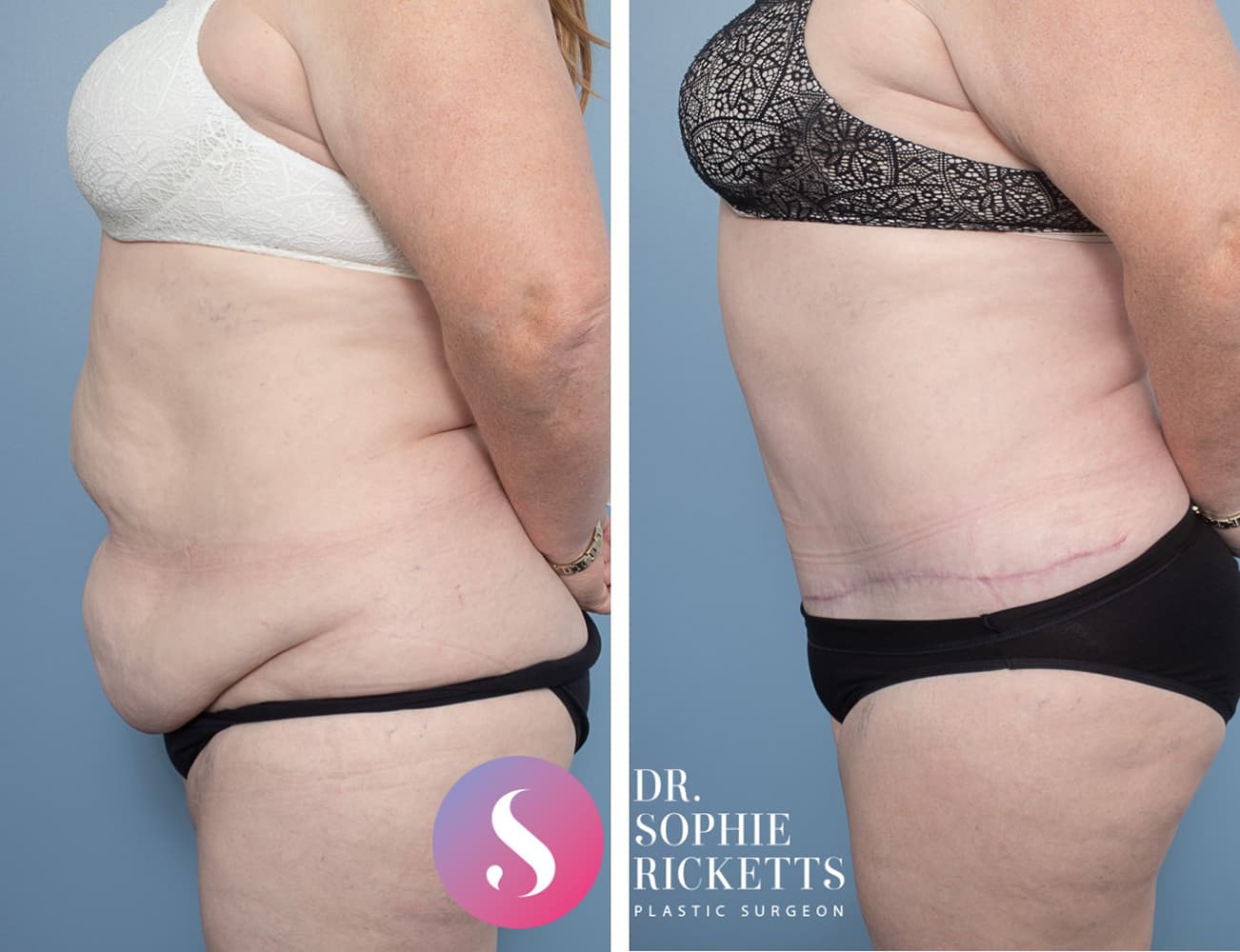
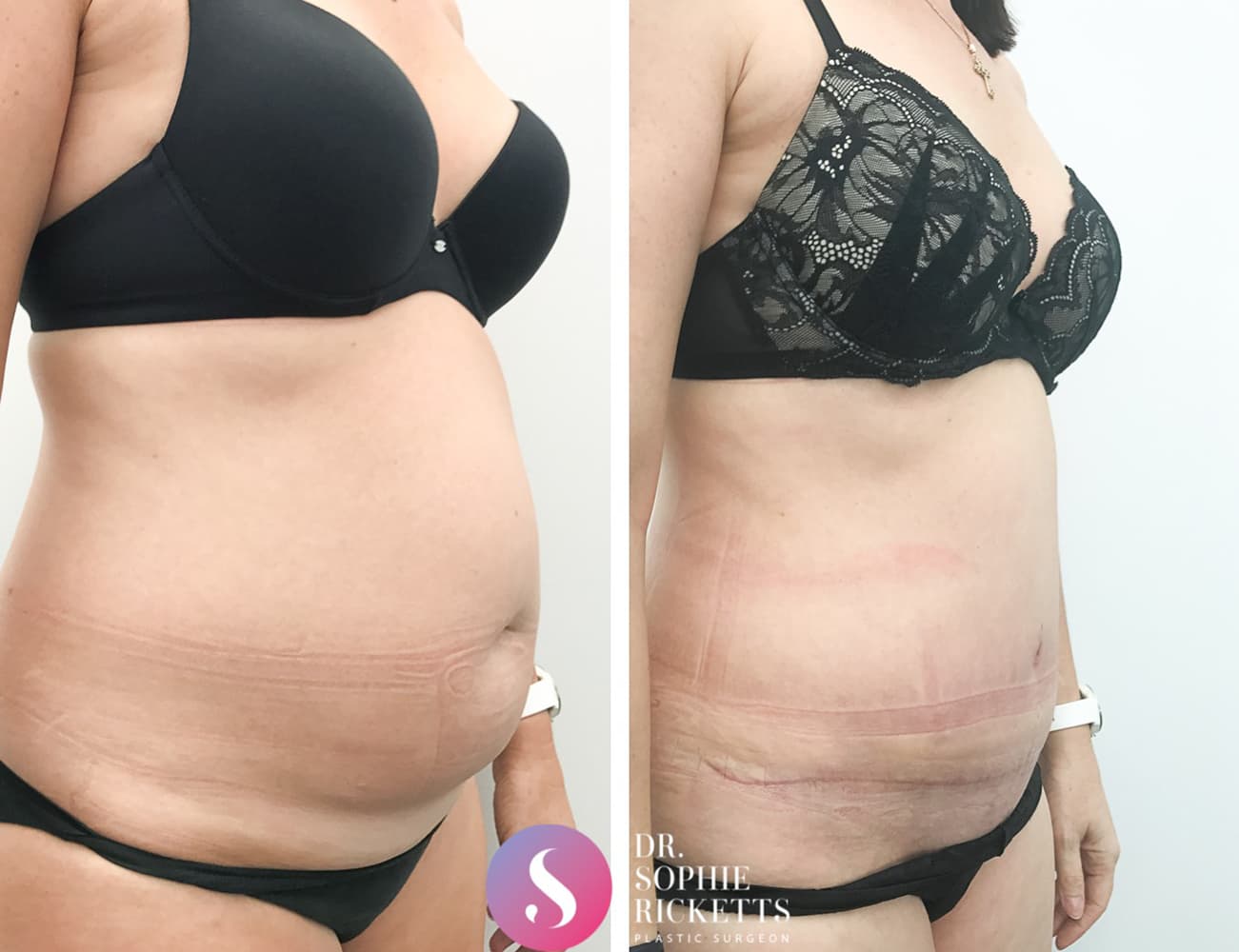
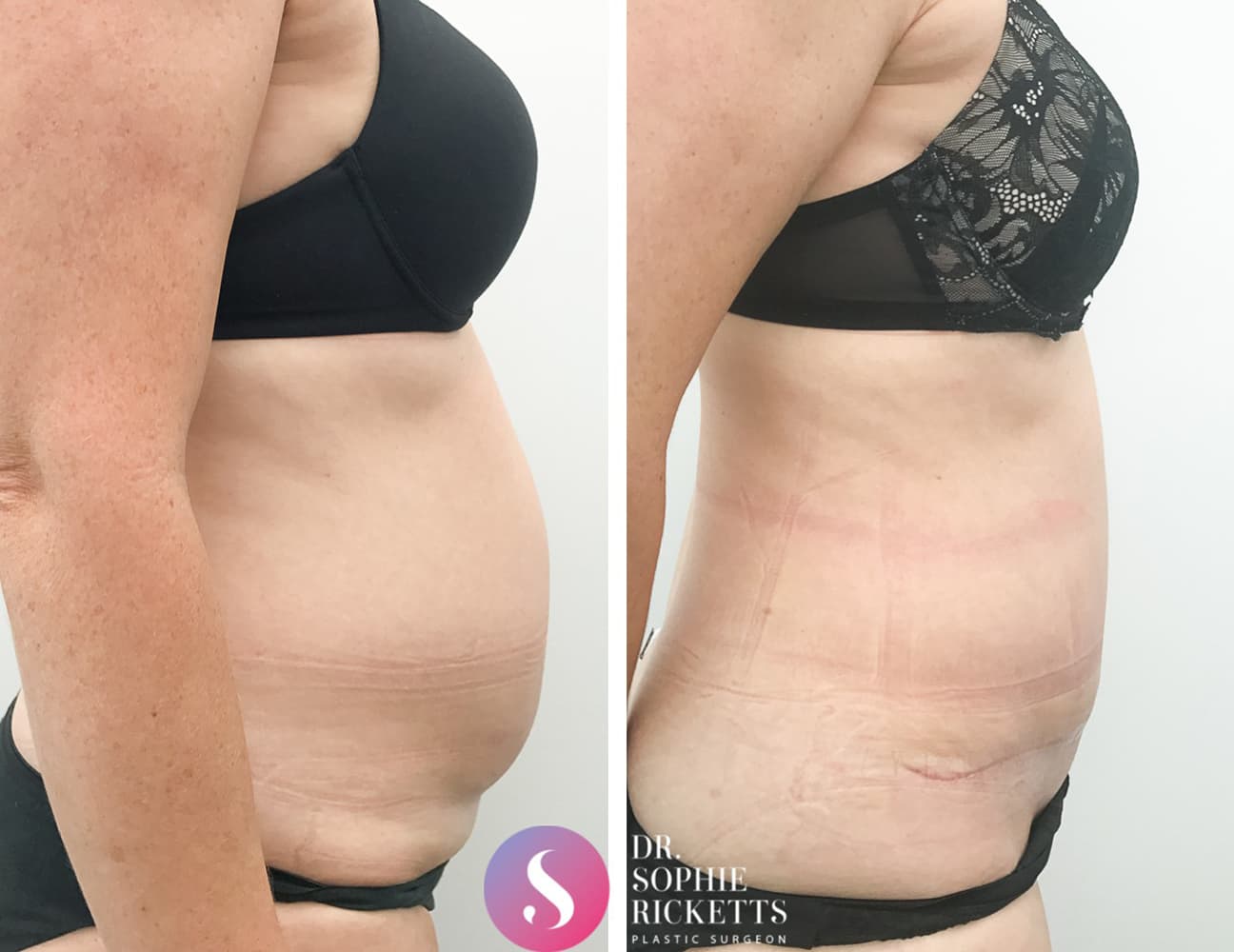
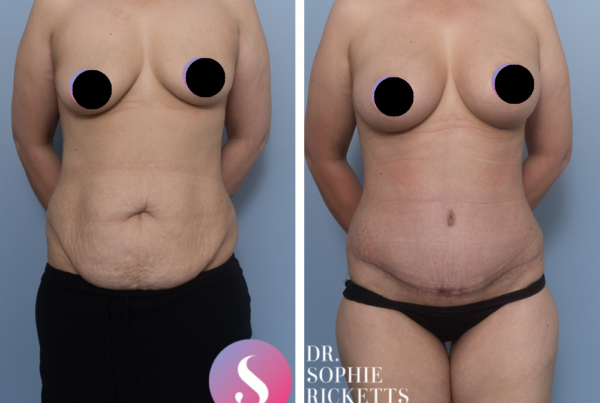
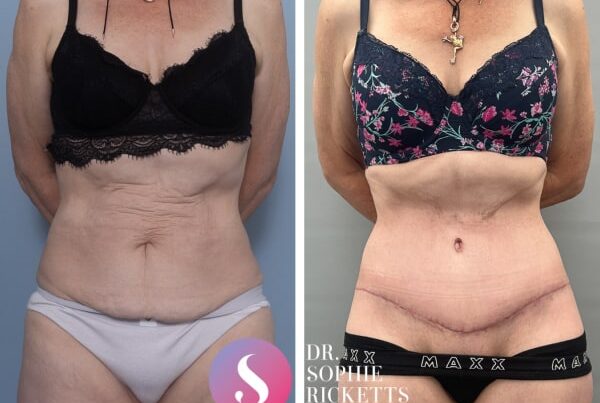
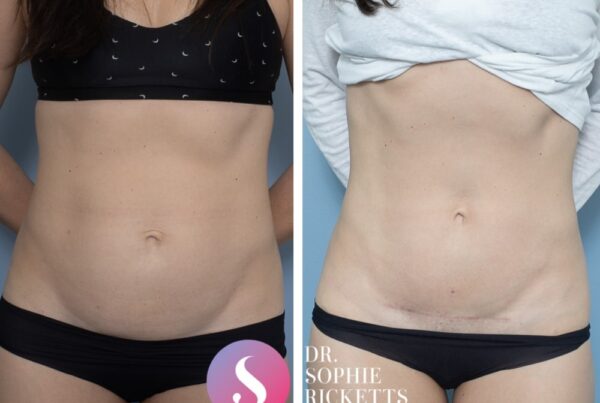
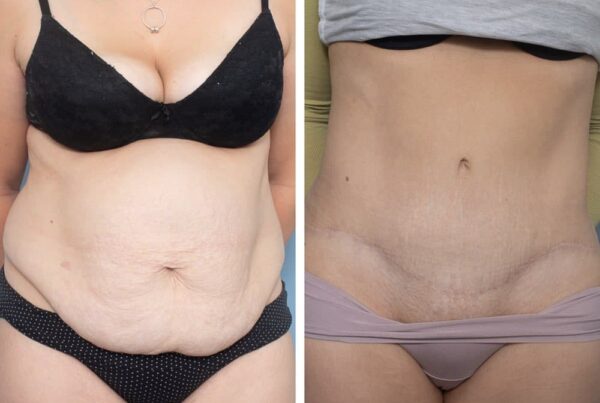
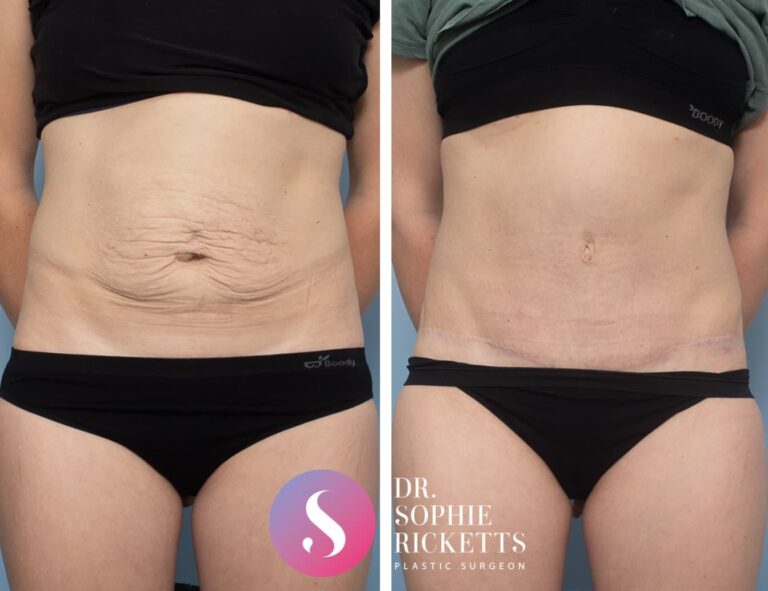
Individual results vary. All surgical procedures carry risks and require a consultation to determine suitability.
These images are for illustrative purposes only and do not guarantee a specific outcome. Before proceeding, you should seek a second opinion from an appropriately qualified health practitioner.



FAQ
What is the recovery process like?
Recovery from an abdominoplasty is a structured clinical process that requires a gradual return to daily activities to protect the integrity of the surgical repair. While individual healing rates vary, the following stages are typical for managing the post-operative period.
Key Recovery Milestones:
- Weeks 1–2 (Initial Healing): Focus is on managing oedema (swelling) and wound protection. Patients must wear a medical-grade compression garment 24 hours a day and avoid standing fully upright to prevent tension on the incision. Light mobility is encouraged to mitigate the risk of Deep Vein Thrombosis (DVT).
- Weeks 3–4 (Transition Phase): Most patients can return to sedentary work and resume driving, provided they are no longer taking prescription analgesics. Lifting remains strictly limited to under 2–5kg to avoid compromising the internal muscle plication.
- Week 6 and Beyond (Gradual Activity): Following a clinical review with Specialist Plastic Surgeon Dr Sophie Ricketts, low-impact exercise may be reintroduced. However, strenuous core-strengthening and heavy lifting are generally deferred until 12 weeks post-surgery.
Clinical Monitoring and Care:
The maturation of the surgical scar is a long-term process, often taking 12 to 18 months to flatten and fade. Regular follow-up appointments are mandatory to monitor for potential complications such as seroma (fluid accumulation) and to provide tailored instructions on scar management and the staged reintroduction of physical activity.
Will there be scarring after abdominoplasty?
Yes, there will be scarring after abdominoplasty, as with any surgical procedure. The extent of scarring can vary depending on the type of abdominoplasty performed (mini, full, extended, circumferential). Typically, the scar will be located along the lower abdomen, from hip to hip as well as around the belly button. The scar will initially appear red but will gradually fade over time. Your plastic surgeon will provide instructions on how to care for your incisions to help minimise scarring, and there are also scar management techniques that can help to improve the appearance of scars such as taping and silicone.
Am I a suitable candidate for abdominoplasty?
You may be a candidate if you present with persistent anatomical concerns, such as rectus diastasis (muscle separation) or significant skin laxity, that have not responded to conservative management.
To mitigate surgical complications under general anaesthesia, patients must maintain a stable BMI for at least six months, be strictly non-smokers to reduce the risk of tissue necrosis, and have ideally completed their family to avoid compromising the structural integrity of the surgical repair. Furthermore, the regulatory pathway requires a mandatory GP referral, a holistic psychological screening for Body Dysmorphic Disorder (BDD), and a minimum 7-day cooling-off period following two separate consultations with Specialist Plastic Surgeon Dr Sophie Ricketts.
Will an abdominoplasty help me lose weight?
An abdominoplasty is not intended as a weight-loss method and should not replace a healthy diet or regular exercise. While some weight may be reduced through the removal of excess skin and fat, the main purpose of the procedure is to change the appearance of the abdomen by tightening muscles and removing loose skin. Preferred candidates are those who are close to their ideal weight and want to address areas that diet, exercise and lifestyle changes alone cannot change.
Can I have children after an abdominoplasty?
An abdominoplasty is a clinical procedure designed to restore the structural integrity of the abdominal wall. While it is safe to have children following the surgery, the physiological changes of pregnancy can significantly impact the long-term surgical result.
Key Clinical Considerations:
Muscle Integrity: The repair of rectus diastasis (muscle separation) involves internal sutures to bring the abdominal muscles together. A subsequent pregnancy can re-stretch these tissues, potentially leading to recurrent separation.
Skin Elasticity: Pregnancy requires the skin to expand significantly. After childbirth, the skin may not return to its post-surgical state, which may result in new stretch marks (striae) or redundant skin folds.
Timing of Surgery: Specialist Plastic Surgeon Dr Sophie Ricketts typically advises that patients wait until their family is complete. This ensures the abdominal wall remains stable and reduces the likelihood of needing complex revision surgery.
Surgical Outcomes: If pregnancy occurs after the procedure, the safety of the mother and baby is not compromised. However, a secondary procedure may be required later to address any new skin laxity or muscle weakening.
How long do the results of abdominoplasty last?
The outcome of abdominoplasty varies between individuals and is influenced by factors such as skin quality, muscle tone, and changes in weight. Future events, including pregnancy or weight fluctuations, can affect the result over time.
Whilst abdominoplasty is considered permanent, it does not stop further changes from occurring in the abdominal area such as with pregnancy or large weight gains or losses. A consultation with Dr Sophie is required to discuss individual circumstances and expectations.
How soon after pregnancy can you get an abdominoplasty?
While there is no single fixed timeframe, it is clinically recommended to wait at least 12 months after childbirth before undergoing an abdominoplasty. This period allows the body to recover from the significant physiological and hormonal changes of pregnancy.
The Path to Surgery
In accordance with Australian medical standards, several steps are mandatory:
- GP Referral: A referral from your General Practitioner is required to assess your overall health and any post-pregnancy complications.
- Physical Assessment: Dr Ricketts will examine the degree of rectus diastasis (muscle separation) and skin laxity to determine if you meet the clinical criteria for surgery.
- Cooling-Off Period: Once a surgical plan is discussed, you must observe a mandatory 7-day cooling-off period before signing a consent form