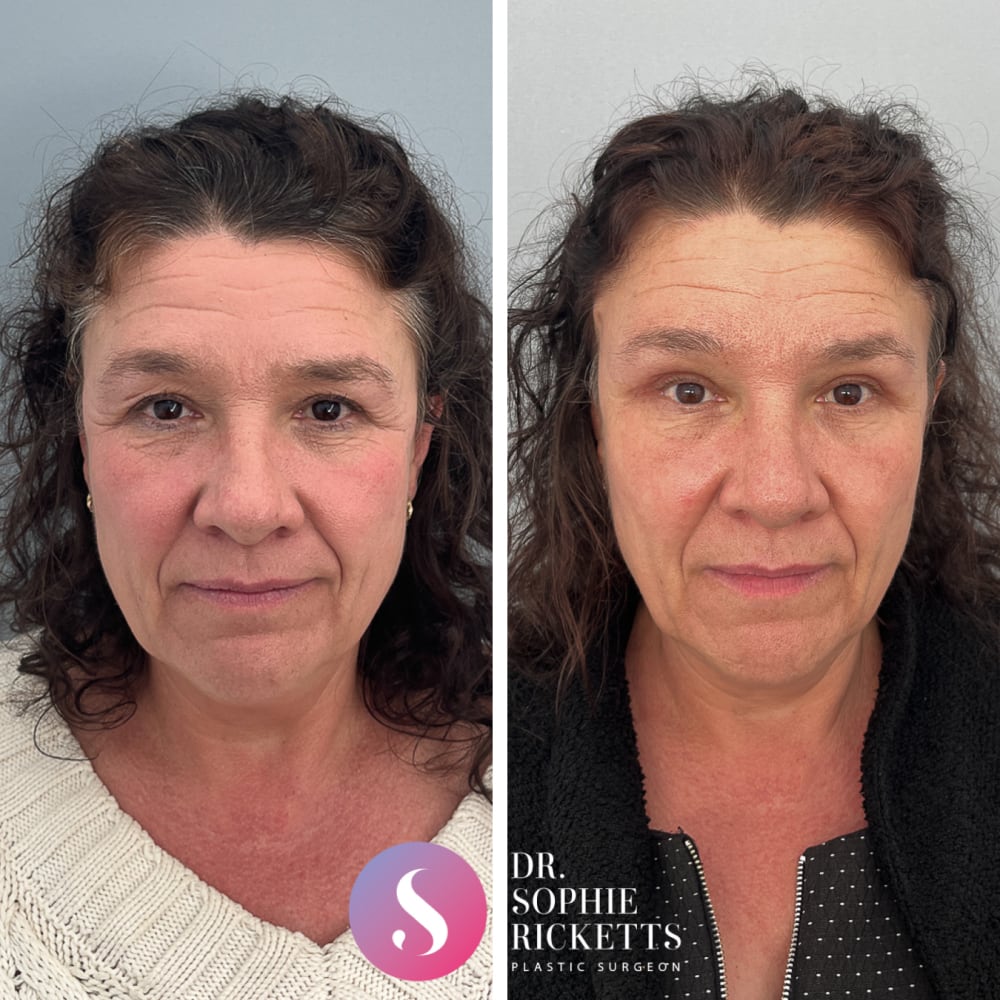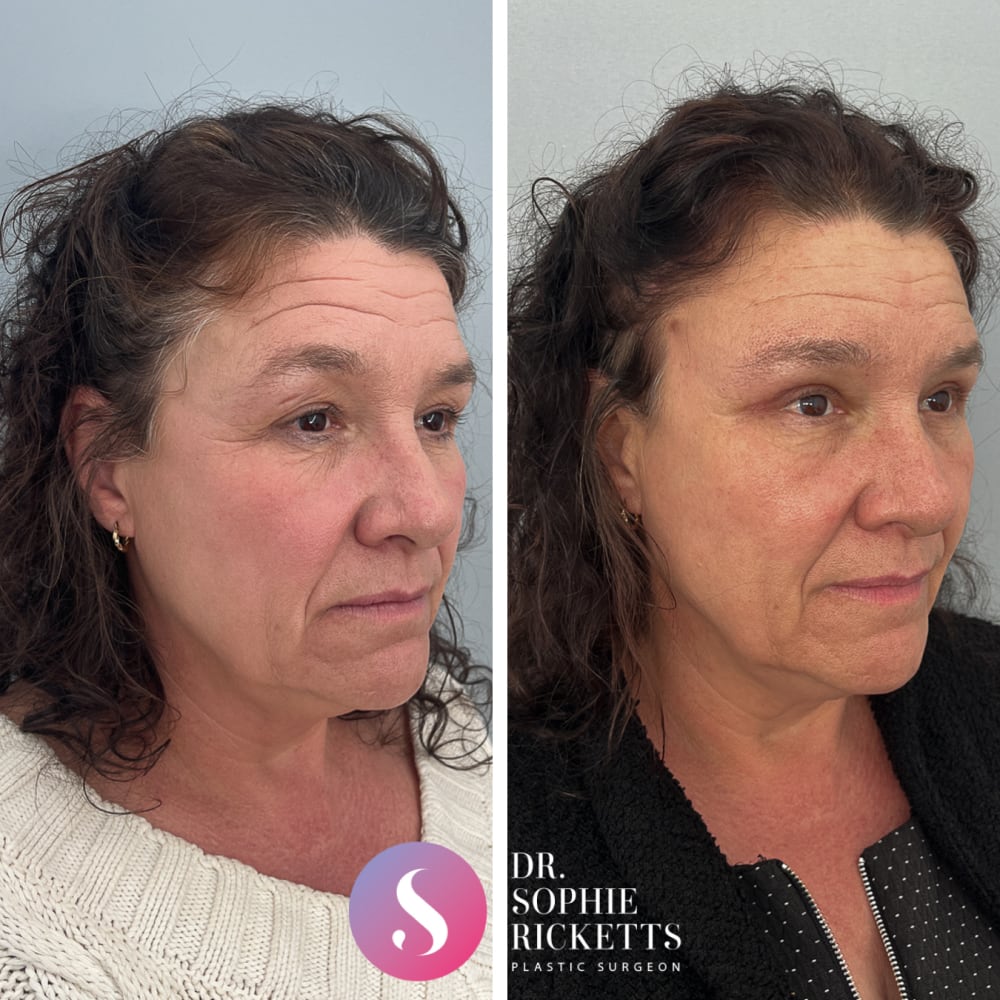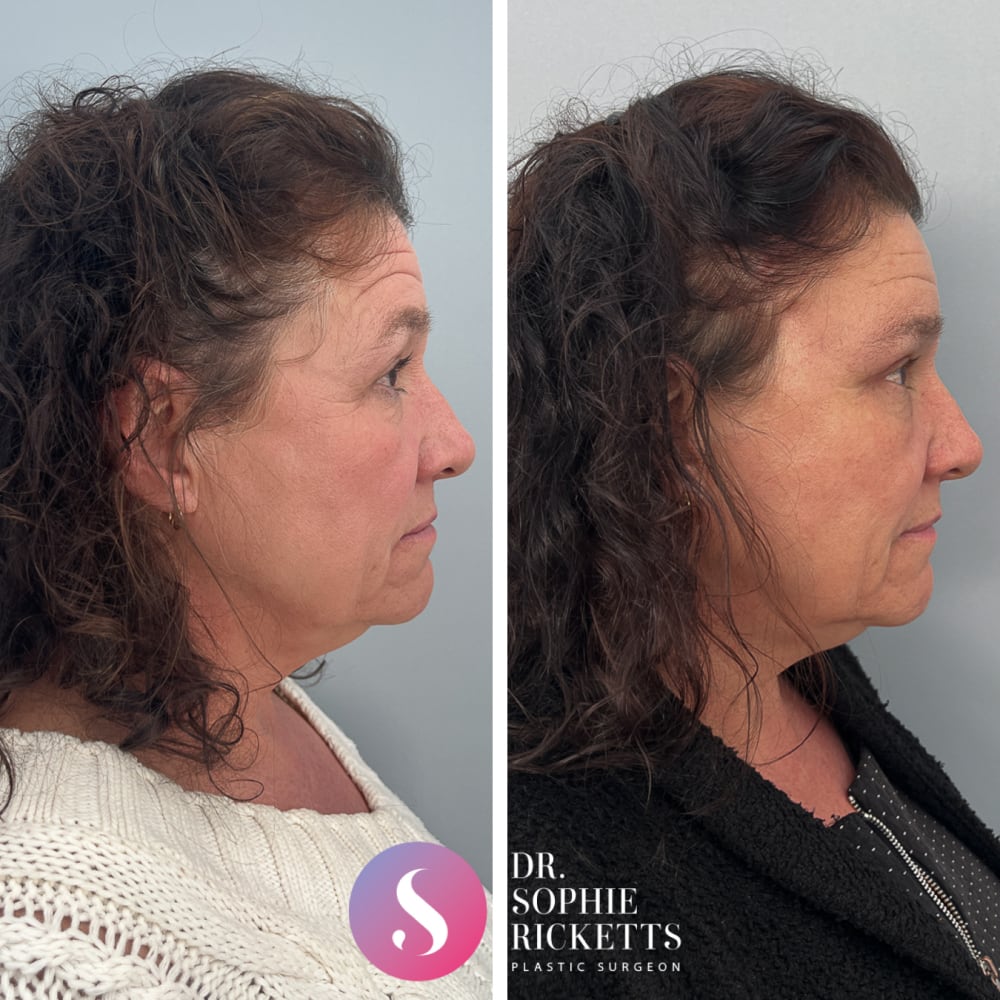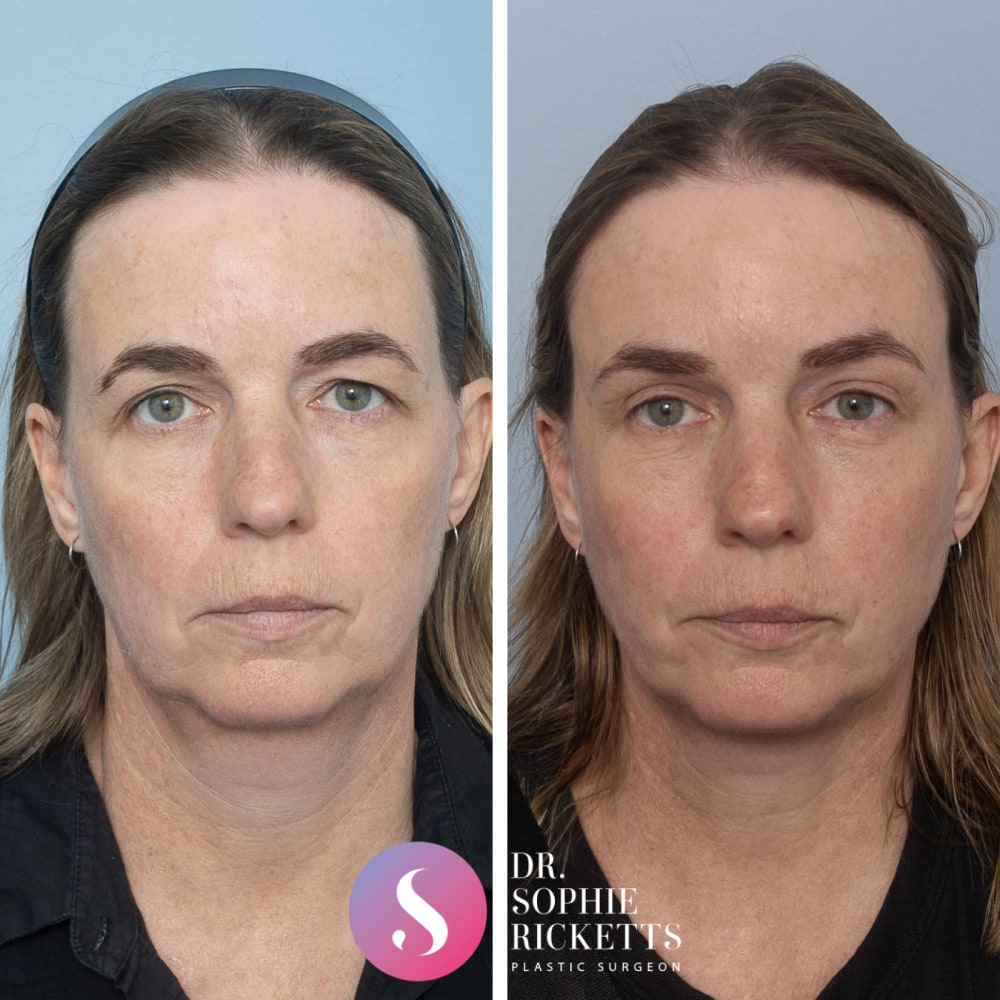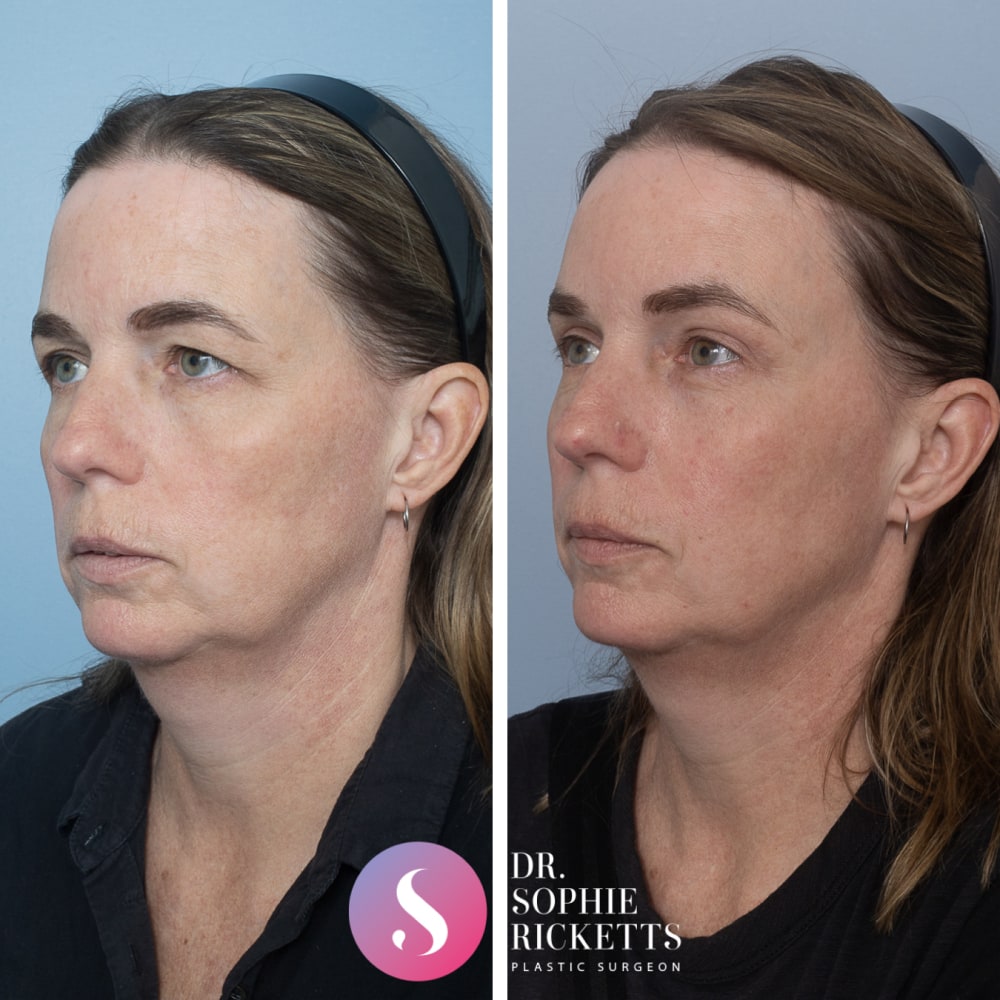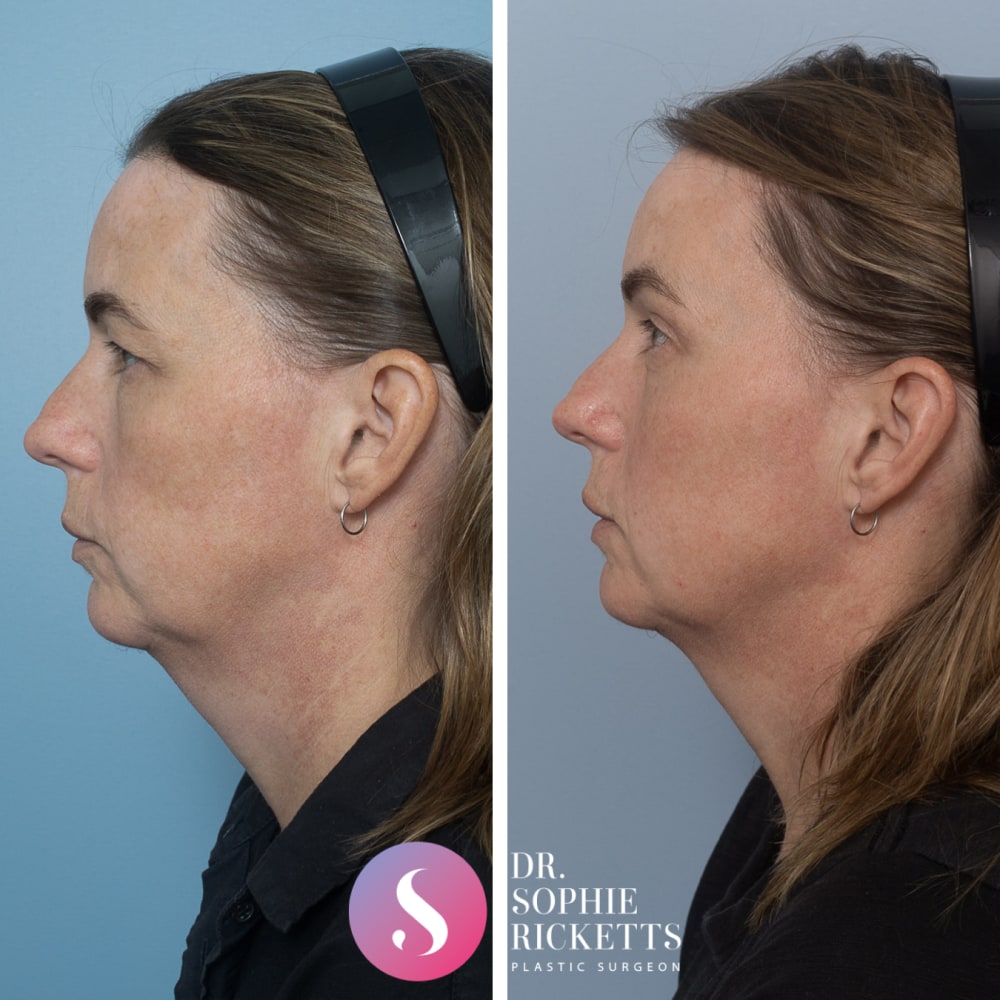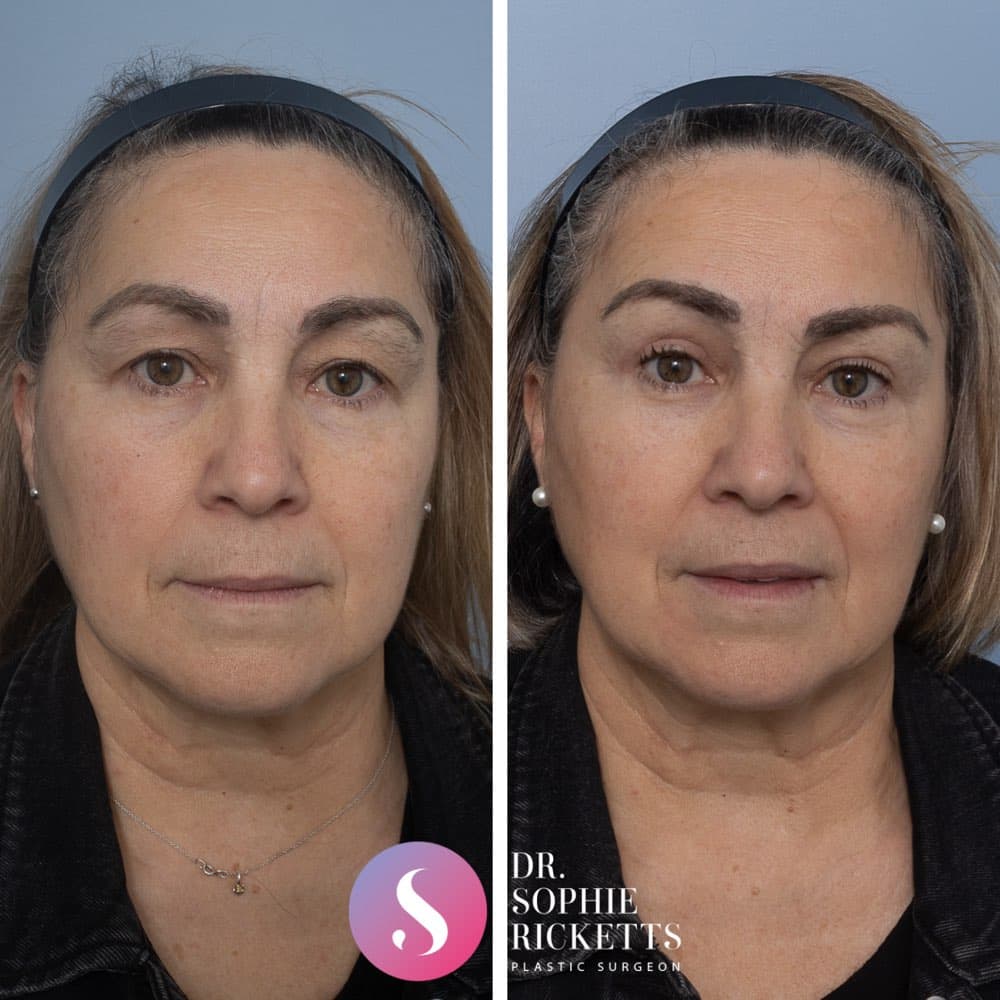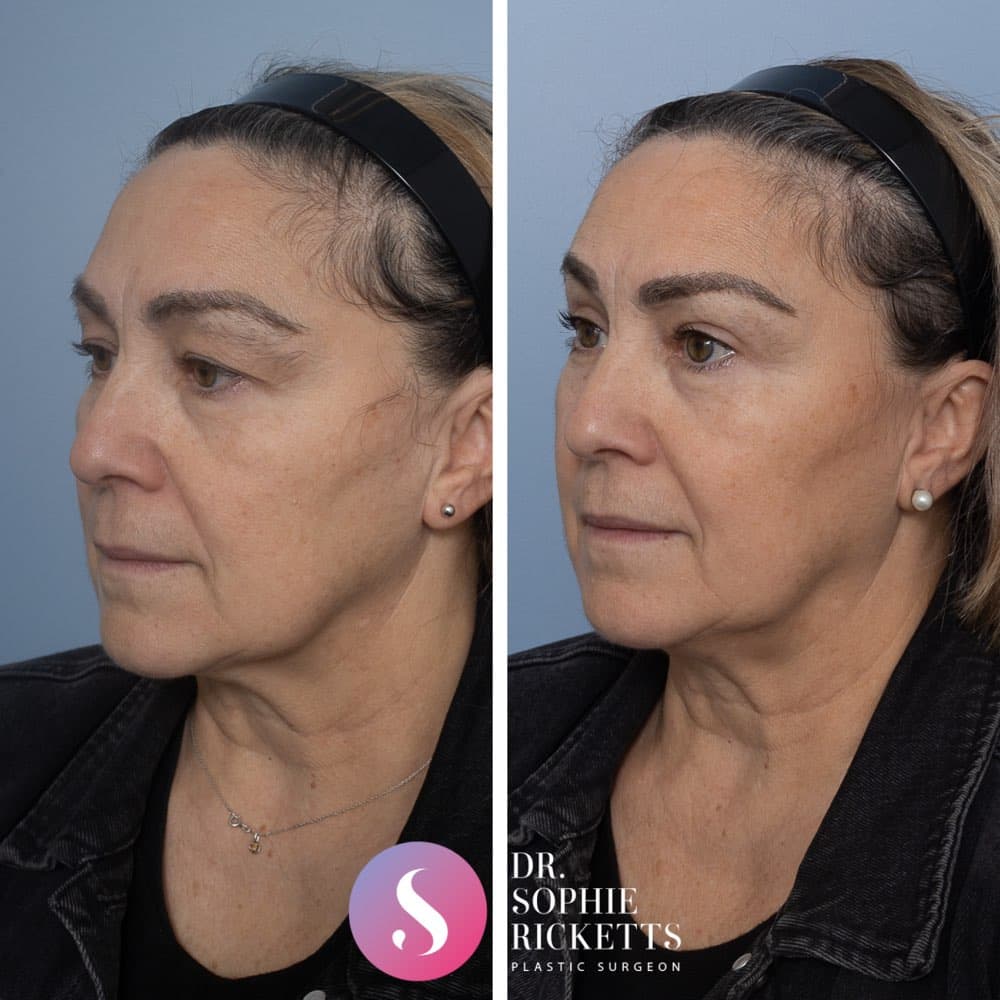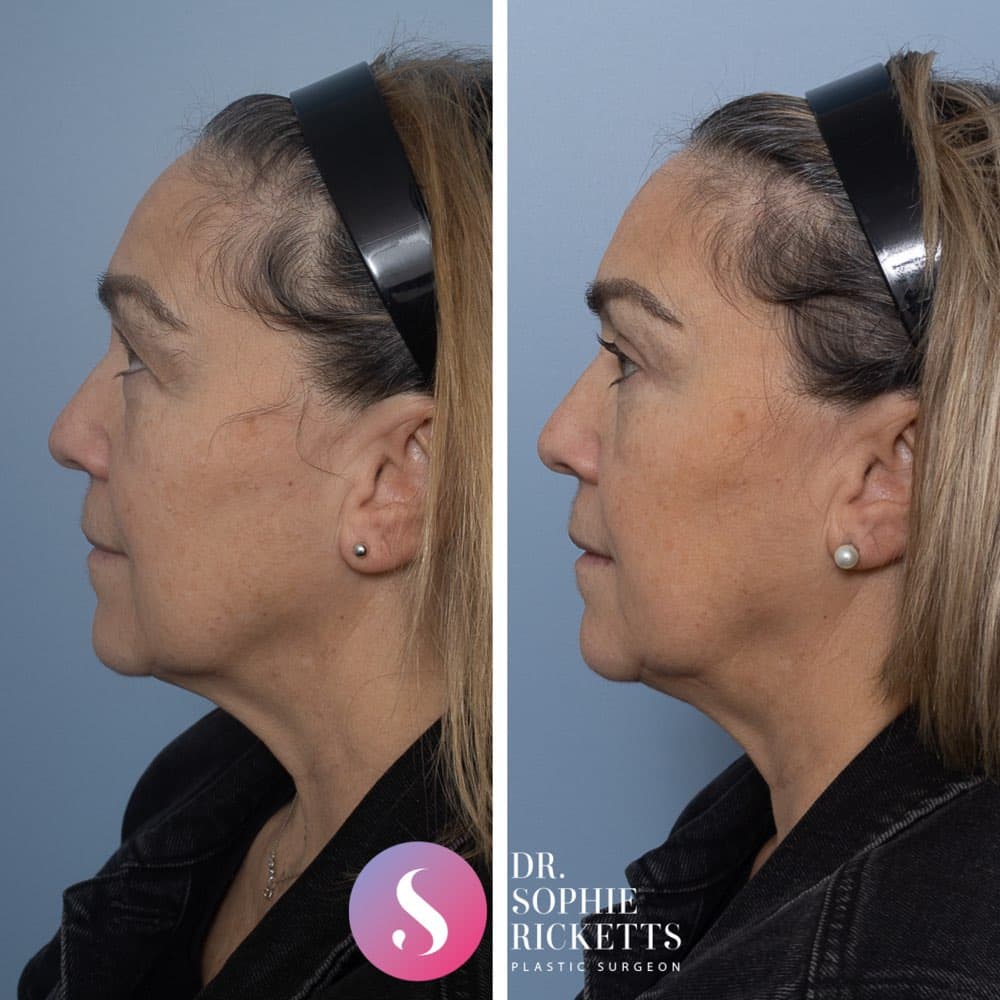

Why might a brow lift be considered? With age, sun exposure, and changes to skin and muscle, the position of the brow can change over time. This may contribute to the appearance of forehead lines or a lower brow position.
What is brow lift surgery?
A brow lift is a surgical procedure designed to reposition the brow and modify the anatomical relationship between the brow, eyelid, and forehead using various surgical techniques. Depending on the clinical approach, incisions are typically placed within or behind the hairline; while these are positioned to be as inconspicuous as possible, all surgical procedures result in permanent scarring. As with any surgical intervention, clinical outcomes are influenced by individual anatomical factors and healing processes, and specific results cannot be guaranteed.
Brow lift or eyelid surgery?
Aesthetic or functional changes in the area around and above the eye region may be attributed to the position of the brow, redundant upper eyelid skin, or a combination of both. During a clinical consultation, Specialist Plastic Surgeon Dr Sophie Ricketts will perform an individual assessment to determine the structural relationship between these areas. This evaluation is necessary to discuss whether a brow lift, blepharoplasty (eyelid surgery), or a combined surgical approach is clinically appropriate for your specific anatomy.
Brow Lift: Risks and Complications
A brow lift is a surgical procedure intended to reposition the eyebrows and address tissue laxity in the forehead region. While Dr Sophie Ricketts follows rigorous clinical protocols to manage and address potential complications, all invasive surgery carries inherent risks. It is essential that patients understand these possibilities before deciding to proceed.
General Surgical Risks
-
Anaesthesia-Related Complications: Potential adverse reactions to general anaesthesia, including respiratory or cardiac issues.
-
Infection: Post-operative infection at the incision sites may require antibiotics or further surgical intervention.
-
Haematoma and Seroma: The accumulation of blood (haematoma) or clear fluid (seroma) under the forehead skin or scalp, which may require surgical drainage.
-
Deep Vein Thrombosis (DVT): The risk of blood clots forming in the legs, which can be life-threatening if they migrate to the lungs (pulmonary embolism).
-
Poor Wound Healing: Risk of wound breakdown or delayed healing, which is significantly higher for patients who smoke.
Specific Risks of Brow Lift Surgery
-
Nerve Injury (Motor and Sensory): * Motor Nerve: Potential injury to the frontal branch of the facial nerve, which can result in a temporary or permanent inability to raise the eyebrows or wrinkle the forehead.
-
Sensory Nerve: Temporary or permanent numbness, tingling, or “itching” sensations across the forehead and scalp.
-
-
Permanent Scarring: Incisions result in permanent scars. Depending on the technique (endoscopic, coronal, or hairline), these are typically placed within or along the hairline, but their final appearance is influenced by individual healing.
-
Asymmetry: Variations in healing or underlying facial structure may result in the eyebrows being positioned at different heights or shapes.
-
Hairline Alteration: Depending on the surgical approach, the hairline may be raised or slightly shifted.
-
Hair Loss (Alopecia): Temporary or permanent hair thinning or loss may occur along the incision lines.
-
Lagophthalmos: Difficulty closing the eyelids completely, which can lead to eye irritation or corneal dryness, typically resolving as swelling subsides.
-
Unsatisfactory Results: The final outcome may not meet aesthetic goals, and revision surgery may be necessary to manage complications or contour irregularities.
Your Consultation Process
A consultation with Dr Sophie Ricketts, Specialist Plastic Surgeon, is a comprehensive clinical assessment to determine your suitability for surgery. This process is designed to ensure you are fully informed of the potential risks, expected clinical outcomes, and available non-surgical alternatives relevant to your circumstances.
In accordance with the Medical Board of Australia’s mandatory guidelines for cosmetic surgery:
-
Clinical Evaluation: Dr Ricketts will assess your medical history and physical anatomy to determine if the procedure is clinically appropriate.
-
Psychological Screening: A mandatory assessment for Body Dysmorphic Disorder (BDD) and psychological readiness is required for all patients.
-
GP Referral: You must provide a valid referral from your General Practitioner prior to your initial consultation.
-
Two-Stage Process: A minimum of two pre-operative consultations is required.
-
Cooling-Off Period: After your second consultation, a mandatory 7-day cooling-off period must elapse before any surgery can be booked or payments made.
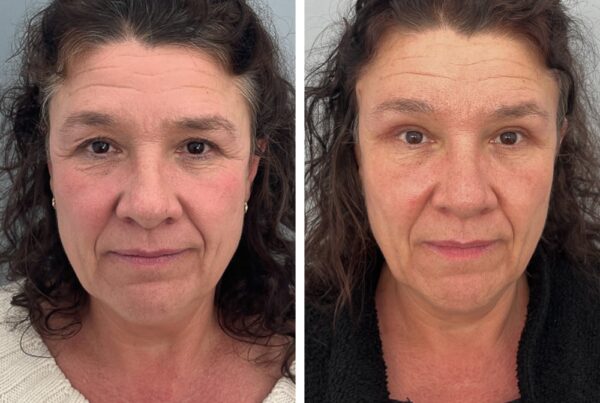
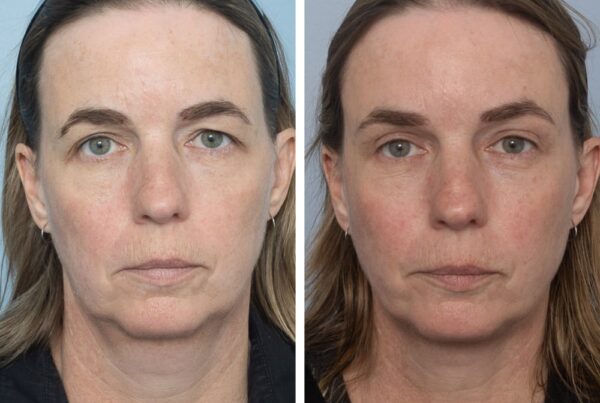
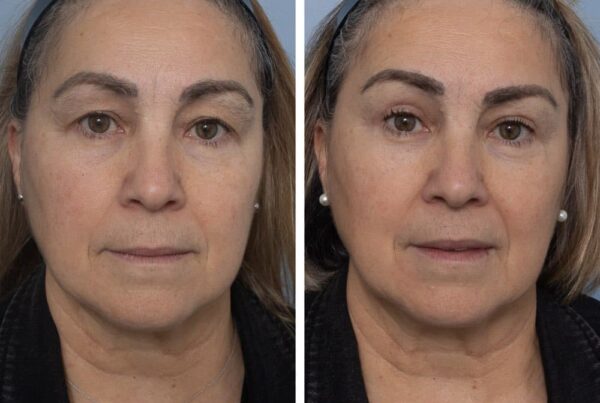
Gallery
Individual results vary. All surgical procedures carry risks and require a consultation to determine suitability.
These images are for illustrative purposes only and do not guarantee a specific outcome. Before proceeding, you should seek a second opinion from an appropriately qualified health practitioner.
FAQs
What is recovery like after a brow lift surgery?
The recovery period after a brow lift varies depending on the technique used, but generally involves some common experiences. Initially, patients may experience some discomfort and tightness across the forehead, swelling, numbness and bruising around the eyes and forehead, which typically reduces over the first 1-2 weeks. Pain medication prescribed will help manage any discomfort. Incisions are within the hair of the scalp and the sutures are usually dissolving or removed at your first check up. You will be required to wear a compression garment for at least a week following your surgery and there will be a series of follow-up appointments with your surgery that you will be required to attend. It is common for patients to take about 2-3 weeks off work and avoid strenuous activities during this time to allow for proper healing. Most individuals can resume normal activities, including exercise about 3-4 weeks post-surgery. There is a period of 4-6 weeks following a brow lift where your results may feel and look over done. Dr Sophie Ricketts will provide specific postoperative instructions specific to your recovery.
Who is a good candidate for a brow lift surgery?
Some people consider a brow lift when they notice changes in the position of the brow or the skin above the eyes. These changes may include a lower brow position, skin folds, or lines across the forehead or between the eyebrows.
Suitability for brow lift surgery depends on factors such as overall health, anatomy, and individual circumstances. During a consultation, Dr Sophie Ricketts will assess these factors, outline potential risks and alternatives, and discuss whether this procedure may be appropriate for you. See above “Specific Risks of Brow Lift Surgery”.
What results can I expect from a brow lift surgery?
A brow lift will permanently change the position of the brow and its relationship to the upper eyelids. Changes may include a higher brow position or a setting of a brow position to allow relaxation of the forehead muscle causing horizontal wrinkles. Outcomes vary between individuals and are influenced by factors such as anatomy, skin quality, healing, and ongoing ageing. During your consultation expected benefits, limitations, risks, and alternatives are discussed based on your individual circumstances.