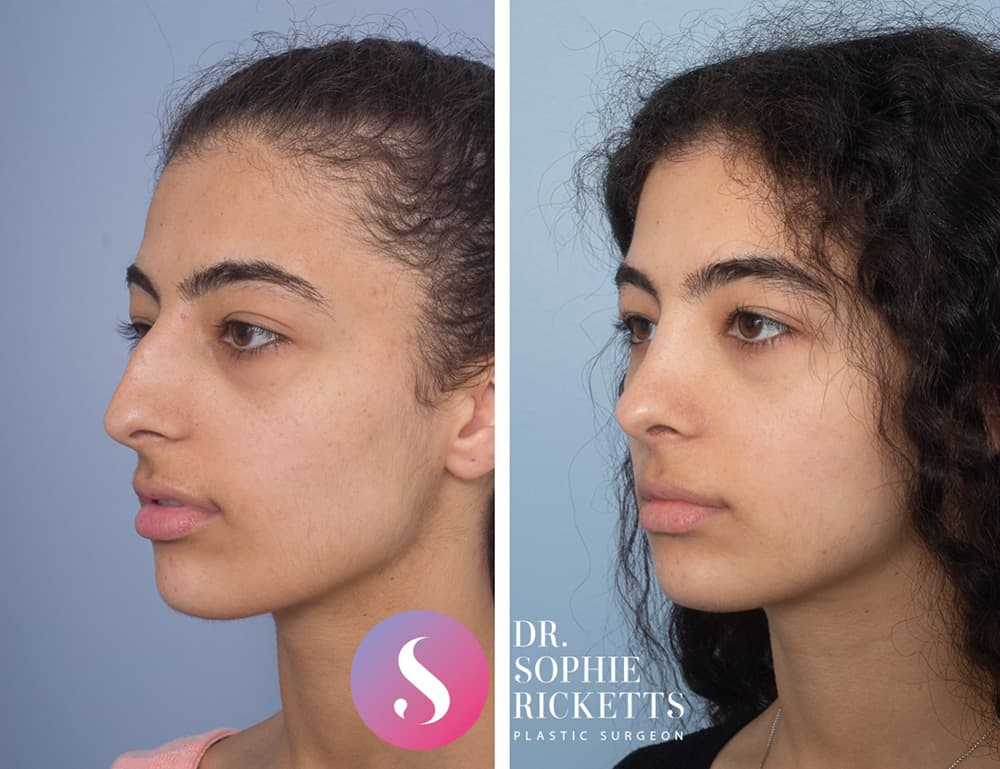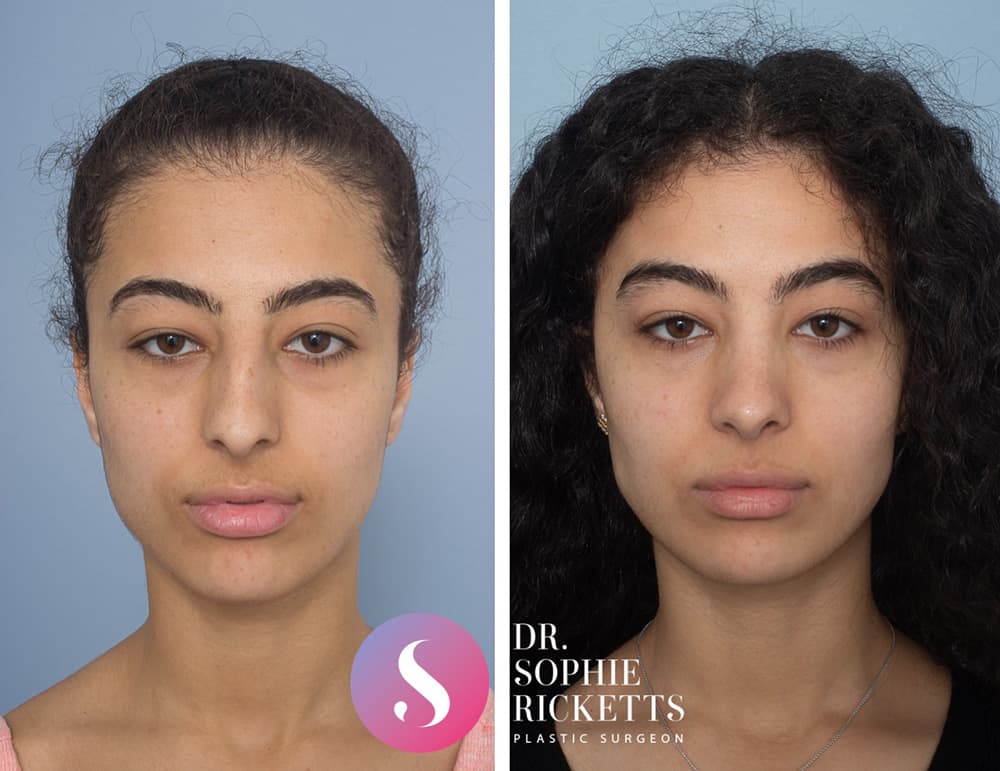

Why might rhinoplasty be considered?
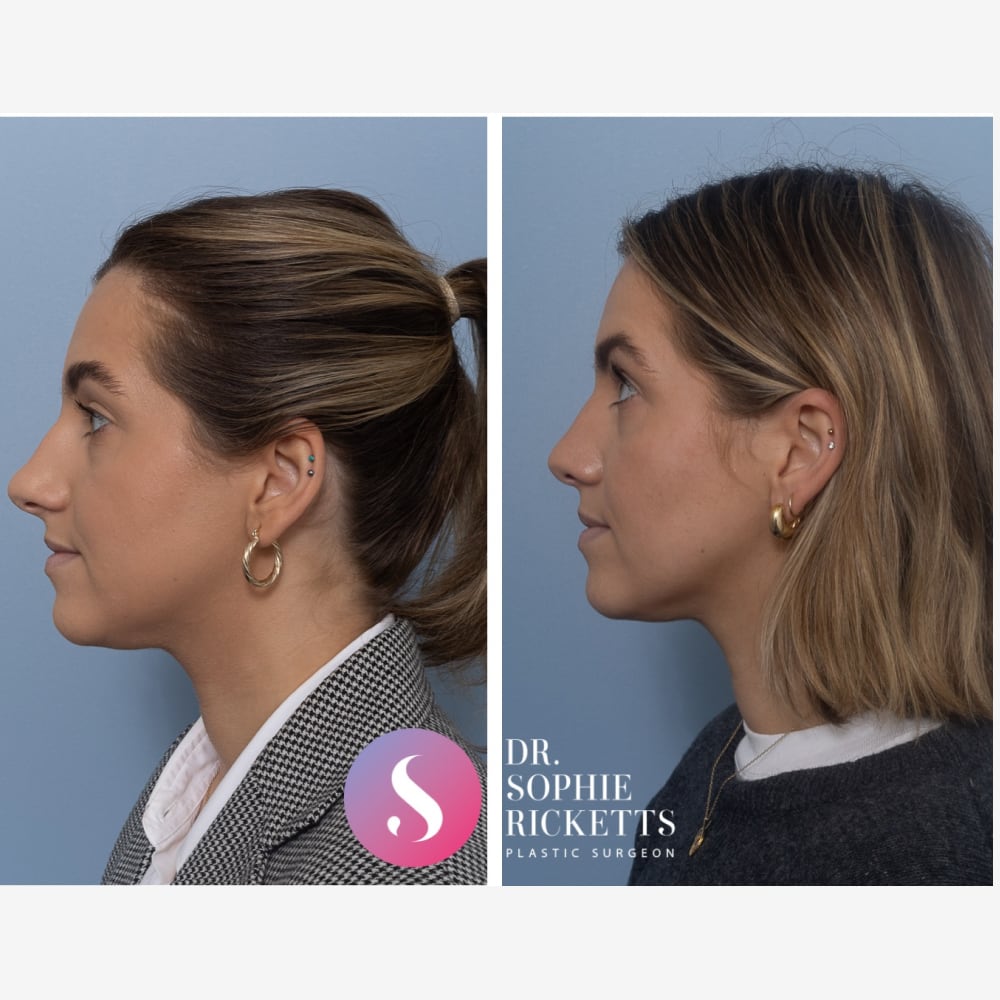
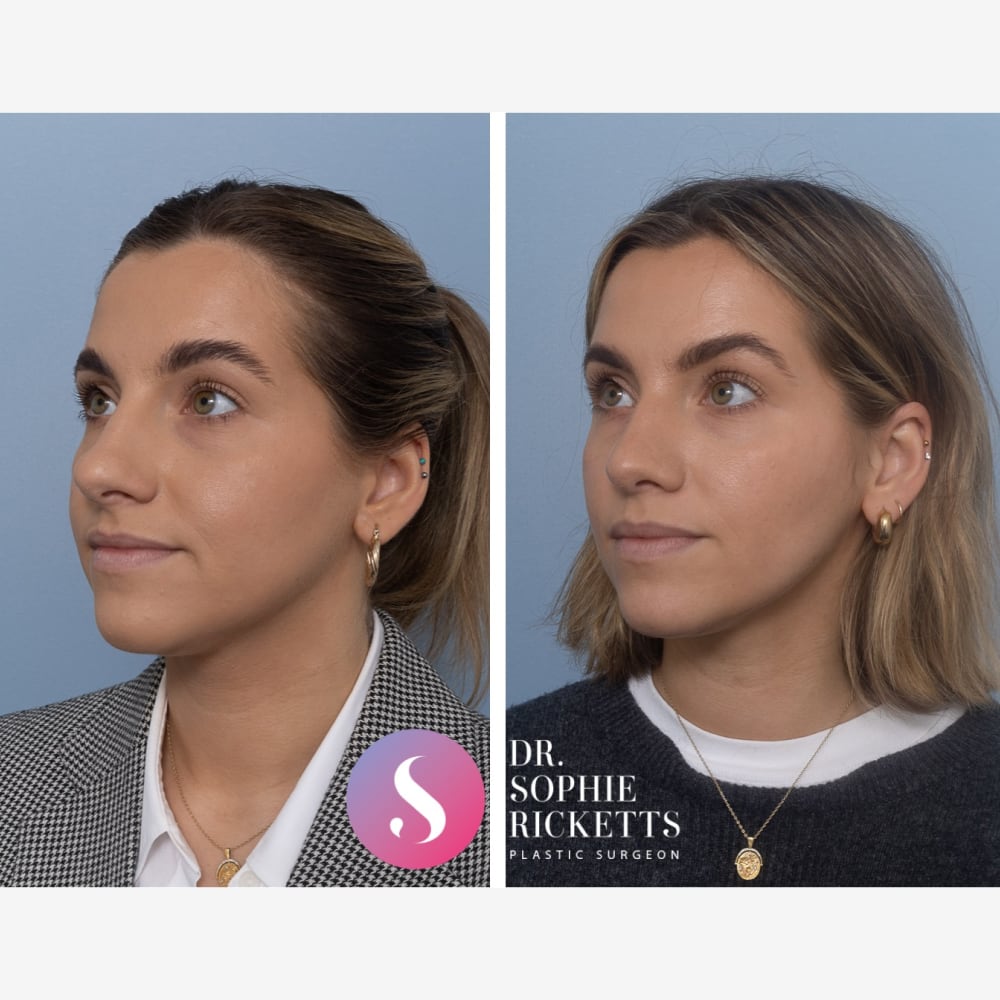
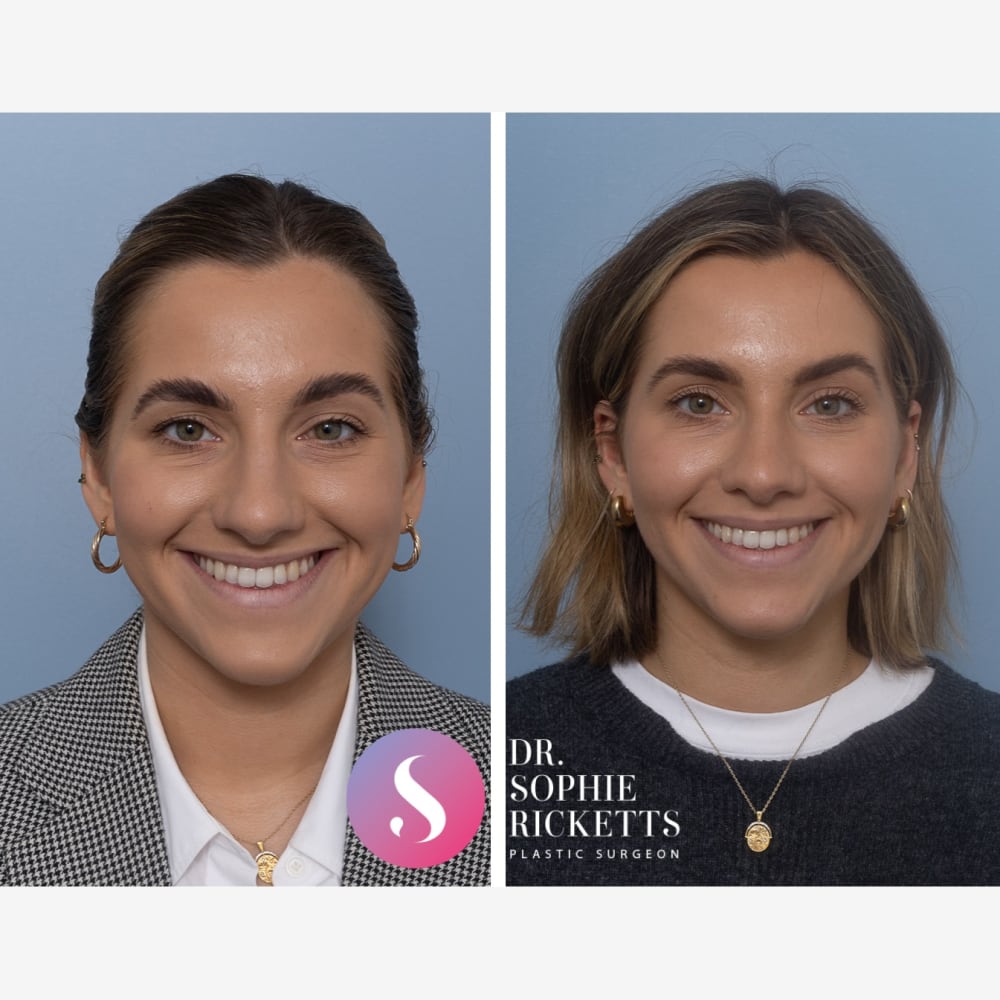
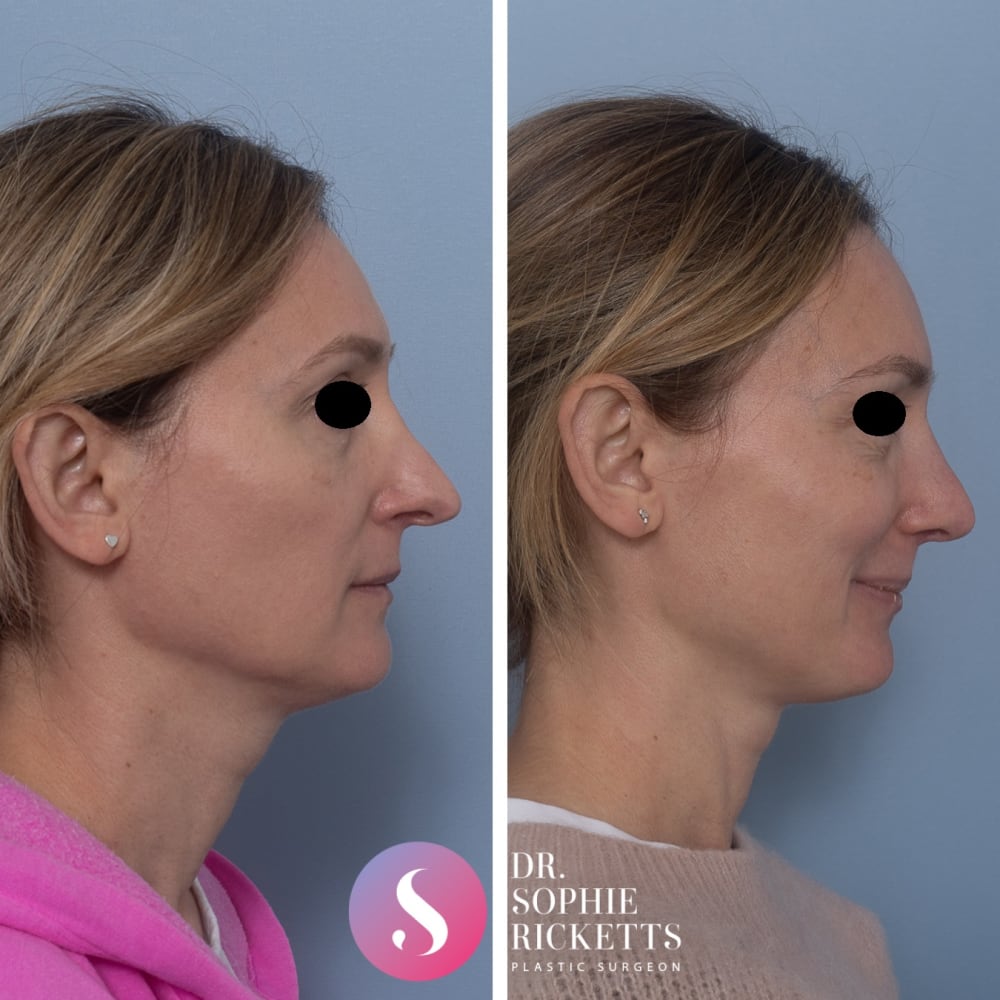
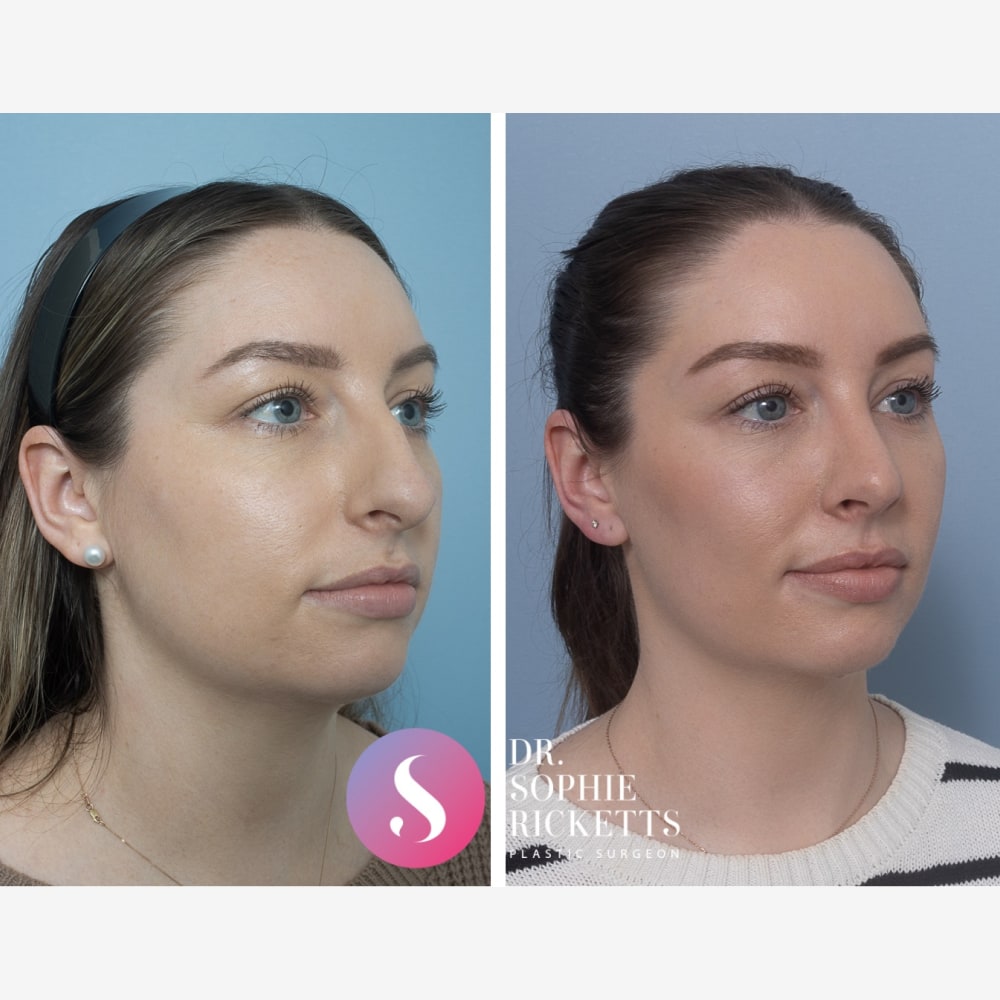
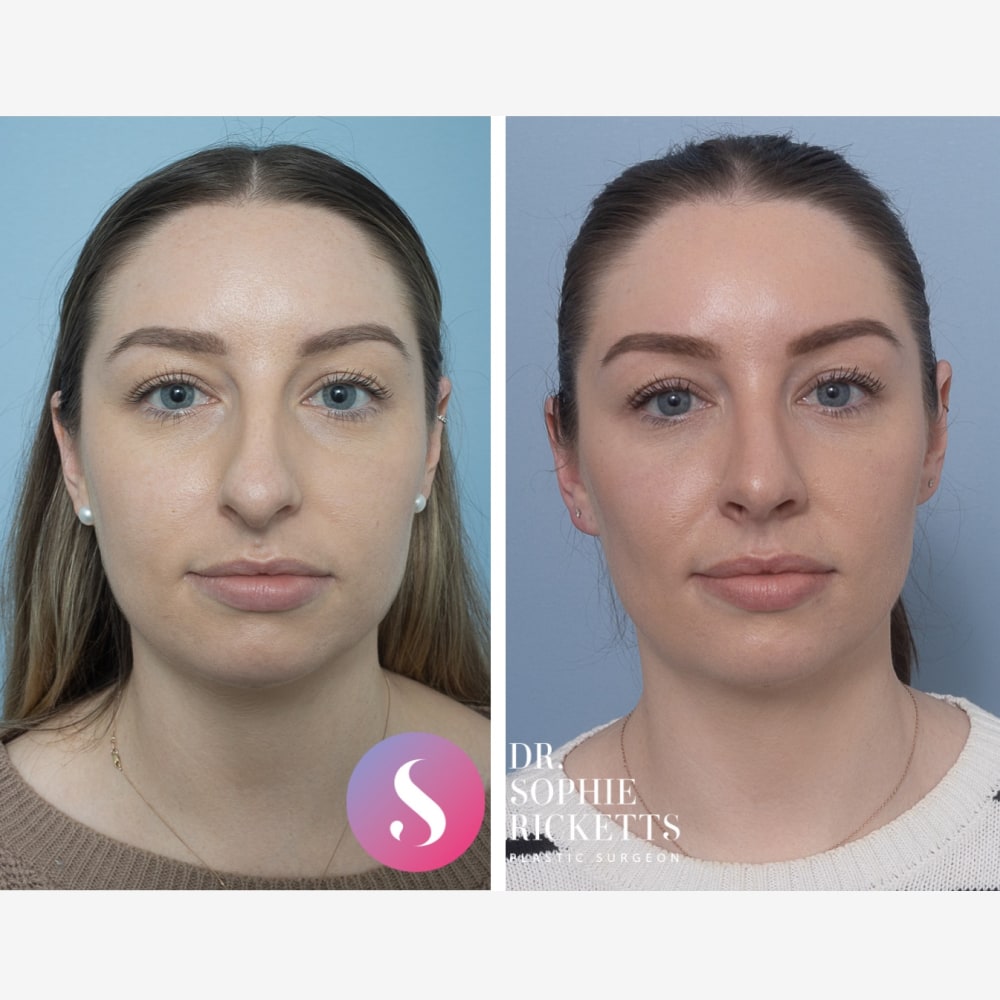
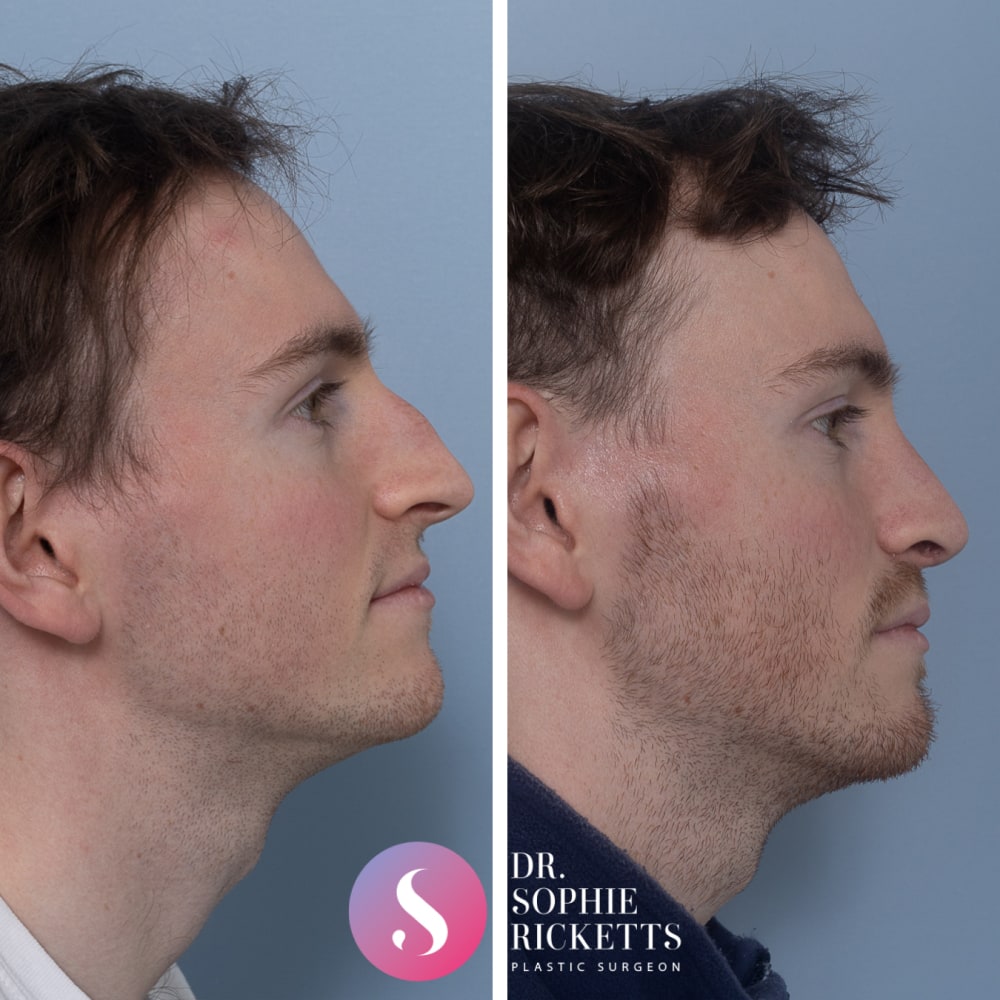
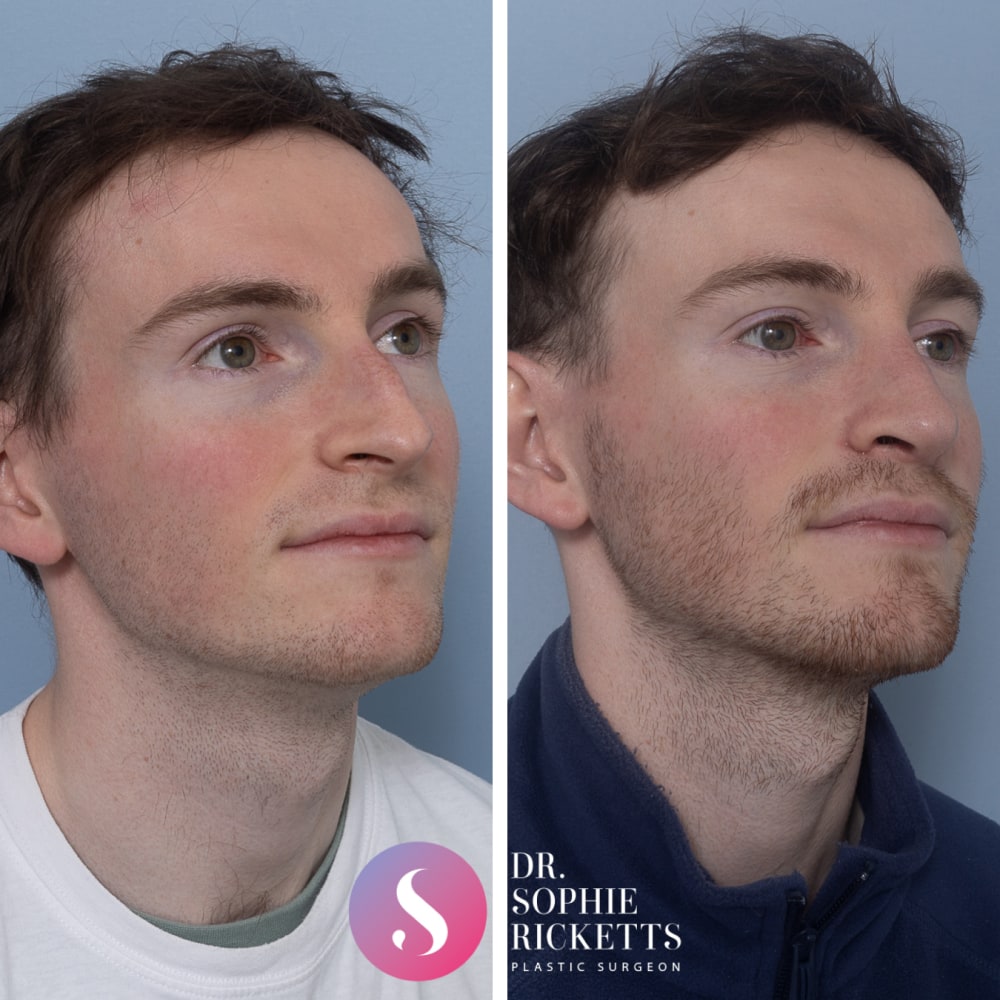
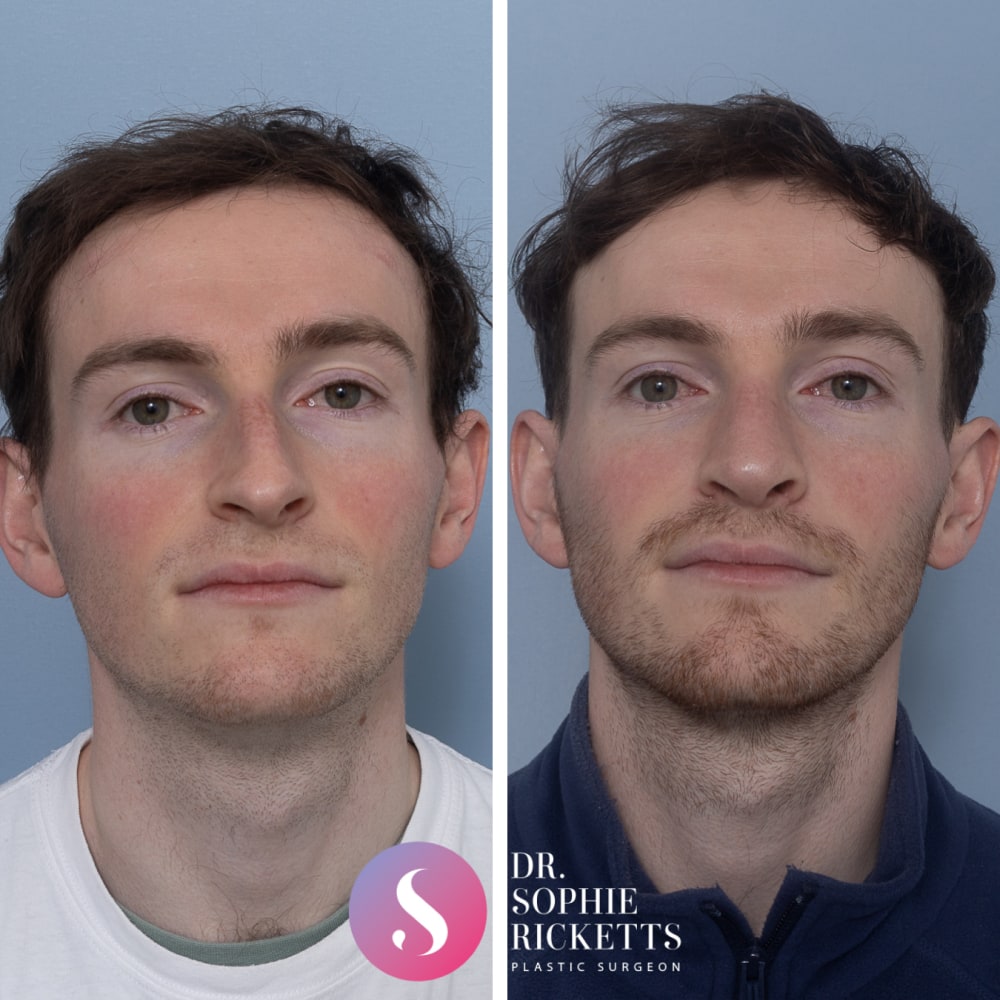
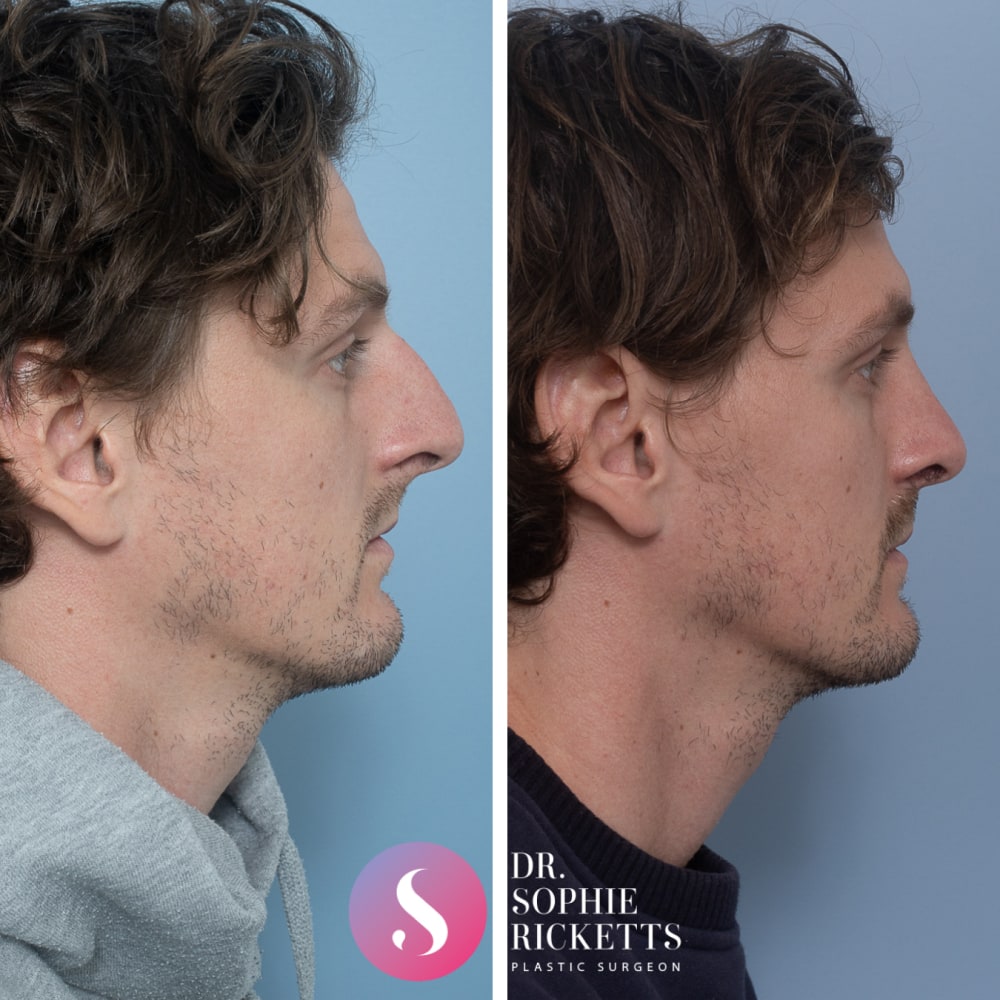
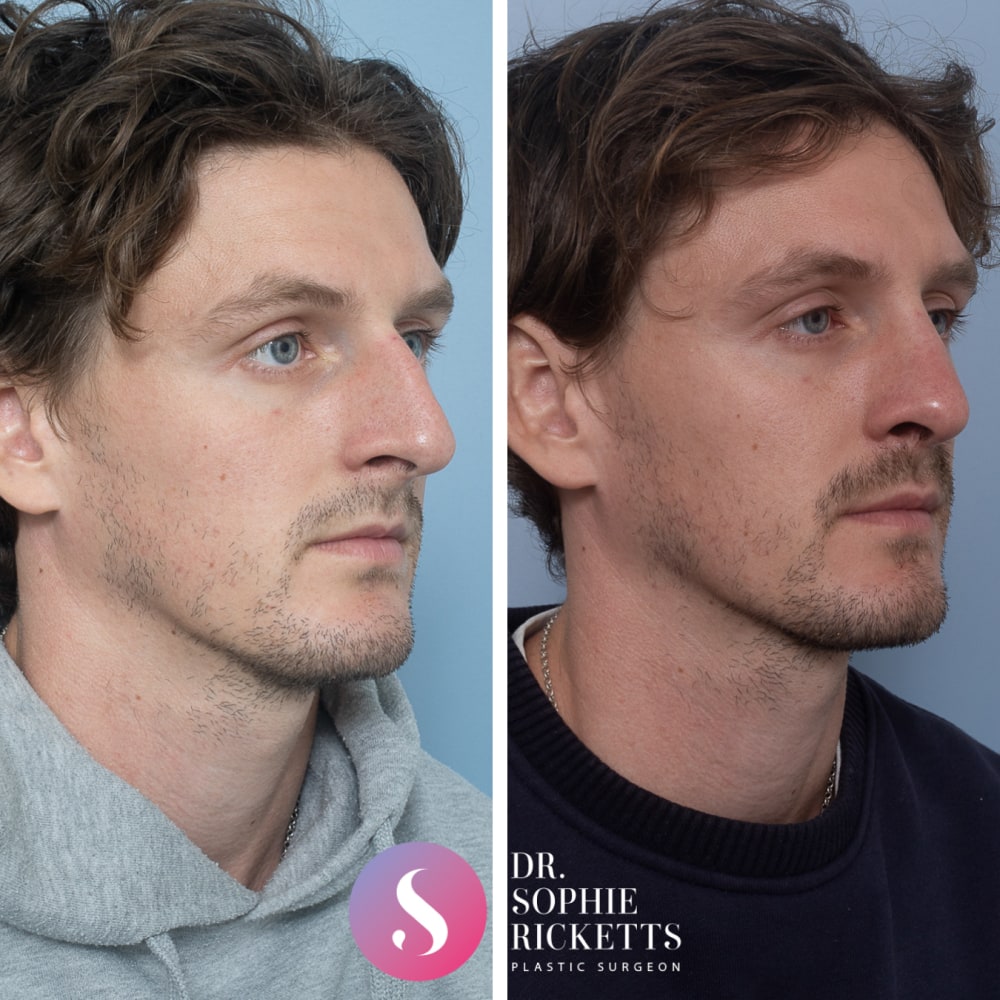
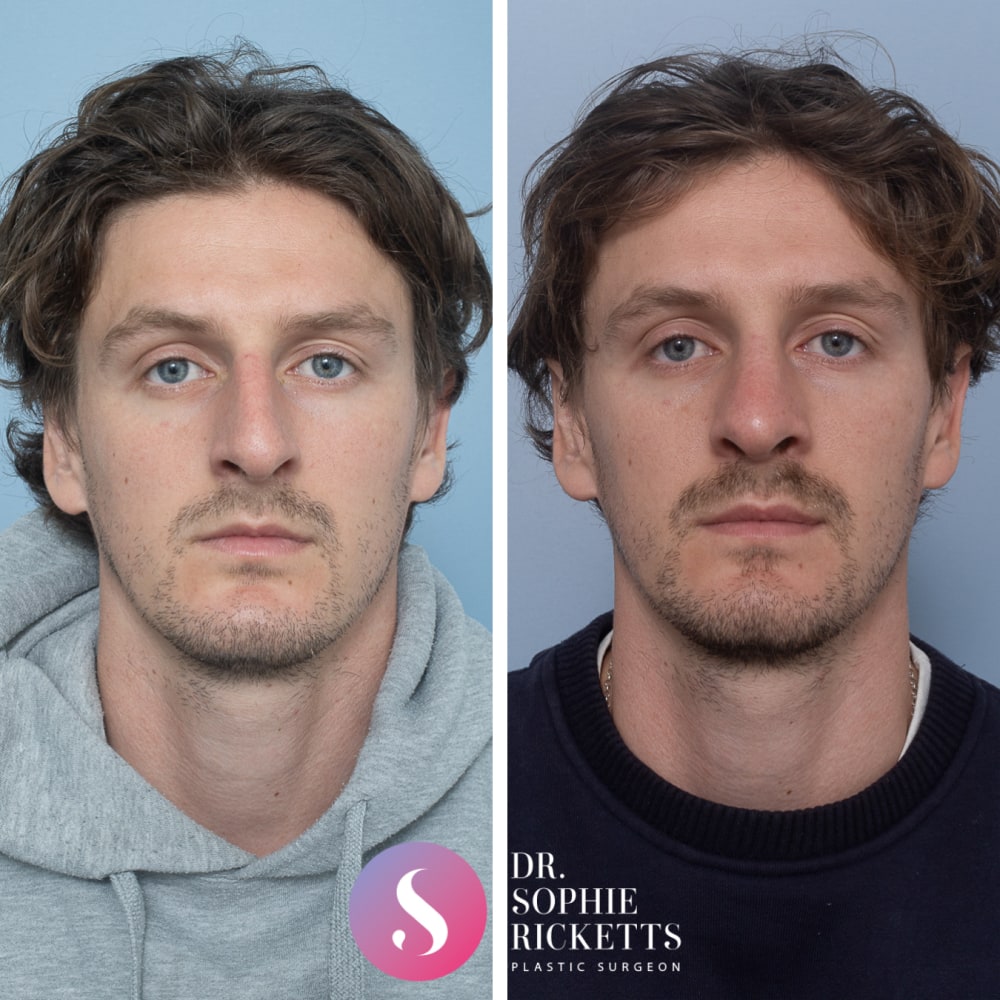
Rhinoplasty is a procedure that can be performed for different reasons. Some people seek surgery to address structural or functional issues, such as difficulty with breathing. Others consider rhinoplasty for concerns related to the shape or size of the nose, which may be due to congenital features or changes following an injury. In some cases, both functional and appearance-related factors are involved.
About the procedure
Rhinoplasty addresses two things; Cosmesis (the look of your nose) as well as Function (how well you breathe).
It is important that these things are considered together. If you have concerns related to both cosmesis and function, then changes are planned for both during your surgery. If you have a cosmetic concern only, it is important that the surgery does not compromise your breathing and vice-a-versa.
What happens at my consultation?
Your consultation involves a comprehensive clinical assessment of both the aesthetic proportions of the nose and your functional breathing requirements. We will discuss the specific surgical techniques relevant to your case, alongside a detailed overview of the recovery process and associated clinical risks.
Recovery is a gradual, individualised process, typically beginning with a day procedure or an overnight hospital stay and a series of follow-up appointments with the surgeon. While initial swelling and bruising are common, most patients undergo a clinical review at the one-week mark for the removal of splints and sutures. Many patients return to office based work within about 10 to 14 days, with a gradual return to gentle exercise permitted thereafter, subject to clinical guidance. Most more intensive exercise and activity can commence after 6 weeks. It is important to note that the final surgical outcome is typically not evident until at least 12 months post-operatively as residual swelling fully resolves.
Is there a Medicare or Health Fund rebate for a rhinoplasty?
Eligibility for Medicare or private health insurance rebates is strictly determined by the clinical criteria set by the Medicare Benefits Schedule (MBS). Rebates generally apply to reconstructive procedures such as those addressing significant functional breathing impairments, trauma, or congenital conditions. During your consultation, a clinical examination will determine if your condition meets these requirements; procedures deemed purely cosmetic do not attract rebates.
If your case meets the MBS criteria, we will provide the relevant item numbers and a detailed quotation. This allows you to verify your specific level of cover with your health insurer or, if uninsured, to determine the portion of surgeon and anaesthetist fees that may be eligible for a Medicare rebate.
Revision Rhinoplasty
Revision rhinoplasty addresses functional or aesthetic concerns following a previous nasal procedure. This surgery is clinically distinct from primary rhinoplasty due to the presence of subcutaneous scar tissue and changes to the underlying nasal framework, which increase technical complexity. A comprehensive clinical examination is required to evaluate the internal and external structures and determine a realistic surgical approach based on your unique anatomy.
Because previous surgery often depletes the available septal cartilage, autologous grafting may be necessary to provide structural support. This involves harvesting cartilage from secondary donor sites, such as the ear (conchal) or rib (costal) or the use of donor cartilage.
Rhinoplasty: Risks and Complications
Rhinoplasty (nasal surgery) is a complex surgical procedure. It involves altering the bone and cartilage framework of the nose and all patients must be aware of the inherent risks before deciding to proceed.
General Surgical Risks
-
Anaesthesia-Related Risks: Potential adverse reactions to general anaesthesia, including respiratory or cardiac issues.
-
Haematoma and Bleeding: While minor nosebleeds are common after surgery, significant bleeding (haematoma) may require medical intervention.
-
Infection: Post-operative infection is rare but may require antibiotics or further surgical care.
-
Deep Vein Thrombosis (DVT): The risk of blood clots in the legs, which can be life-threatening if they travel to the lungs.
-
Poor Wound Healing: Slow healing of incisions, which is more common in patients who smoke.
Specific Risks of Rhinoplasty
-
Breathing Difficulties: Changes to the internal structure of the nose can sometimes result in nasal airway obstruction or stuffiness. This may be temporary or, in some cases, permanent.
-
Septal Perforation: In rare instances, a hole may develop in the nasal septum (the internal divide between the nostrils), which can cause whistling or crusting and may require surgical repair.
-
Altered Sense of Smell: Temporary changes or a decrease in the sense of smell (and taste) are common, though permanent loss is very rare.
-
Skin Sensation Changes: Temporary numbness or altered sensation in the nasal skin, upper lip, or front teeth.
-
Asymmetry and Irregularities: The nose may not be perfectly symmetrical after healing. Minor palpable or visible bumps (contour irregularities) can occur as the skin “redrapes” over the new framework.
-
Skin Necrosis: Very rarely, the blood supply to the nasal skin (particularly at the tip) can be compromised, leading to tissue damage.
-
CSF Leak: An extremely rare but serious complication involving a leak of brain fluid if the delicate bone at the top of the nose is affected.
Long-Term Considerations
-
The Healing Timeline: Final results are often not visible for 12 to 18 months, as it takes this long for swelling to resolve and for the skin to settle.
-
Need for Revision Surgery: Approximately 5–10% of rhinoplasty patients may require a secondary revision procedure to address aesthetic or functional concerns.
Mandatory AHPRA Regulatory Information
Important Notice for Patients
Under the Medical Board of Australia’s guidelines for cosmetic surgery:
- GP Referral: You must obtain a referral from your GP before your first consultation.
- Psychological Screening: You will be screened for Body Dysmorphic Disorder (BDD) to ensure surgery is appropriate for you.
- Two Consultations: A minimum of two pre-operative consultations is mandatory.
- 7-Day Cooling-Off Period: After your second consultation, you must wait at least seven days before booking surgery or paying a deposit.
- Second Opinion: Any surgical or invasive procedure carries risks. Before proceeding, you should seek a second opinion from an appropriately qualified Specialist Plastic Surgeon.
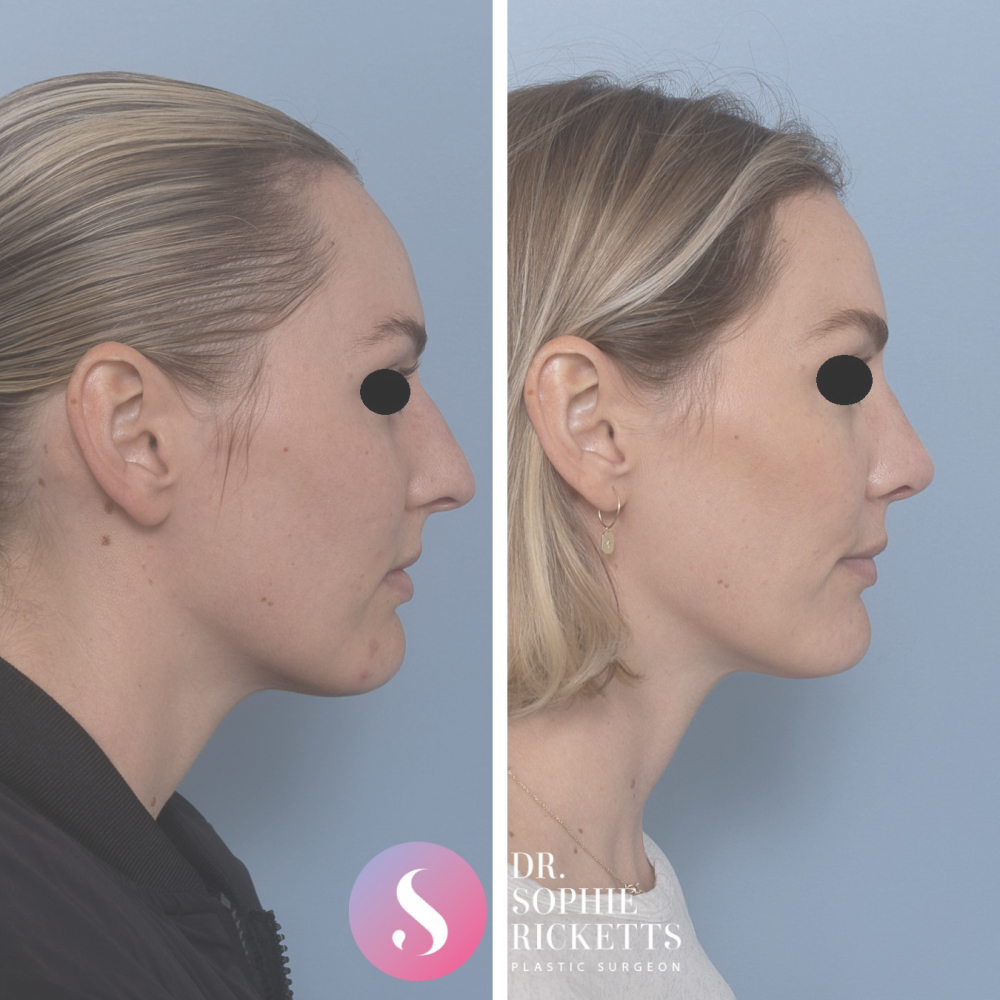
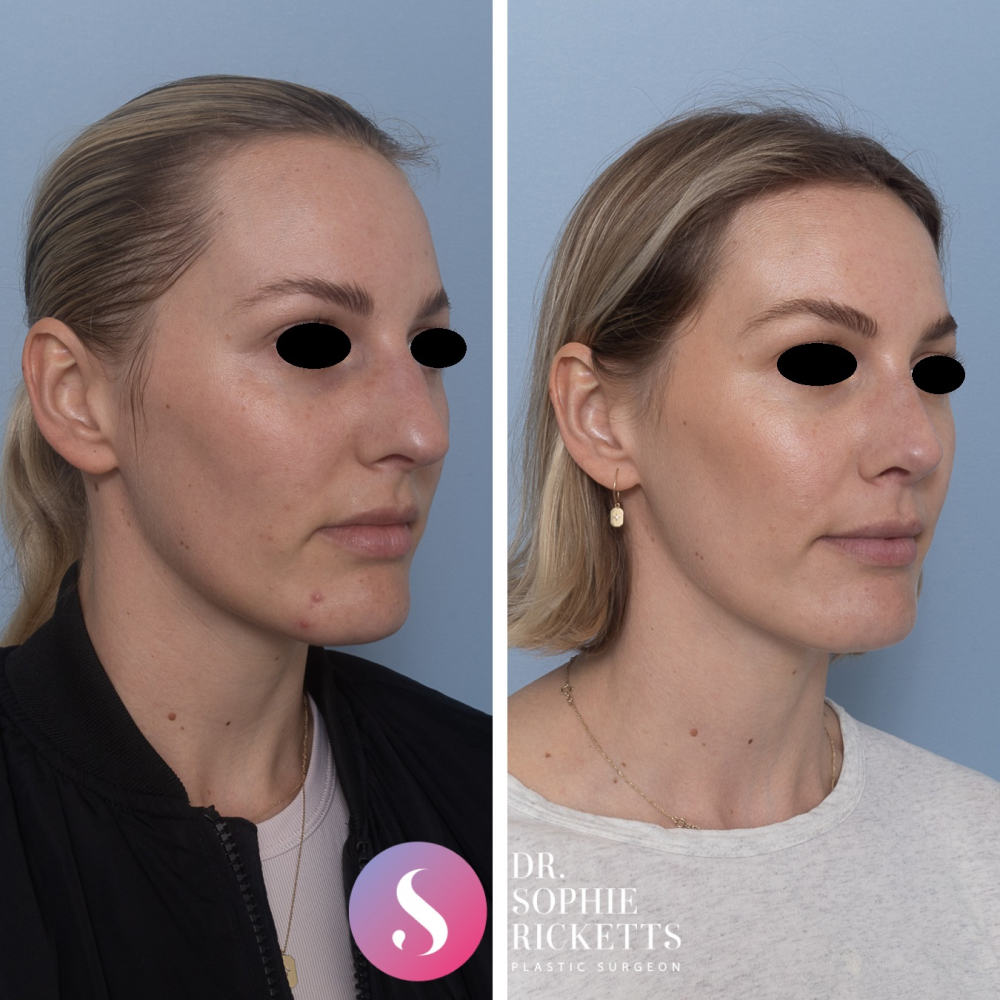
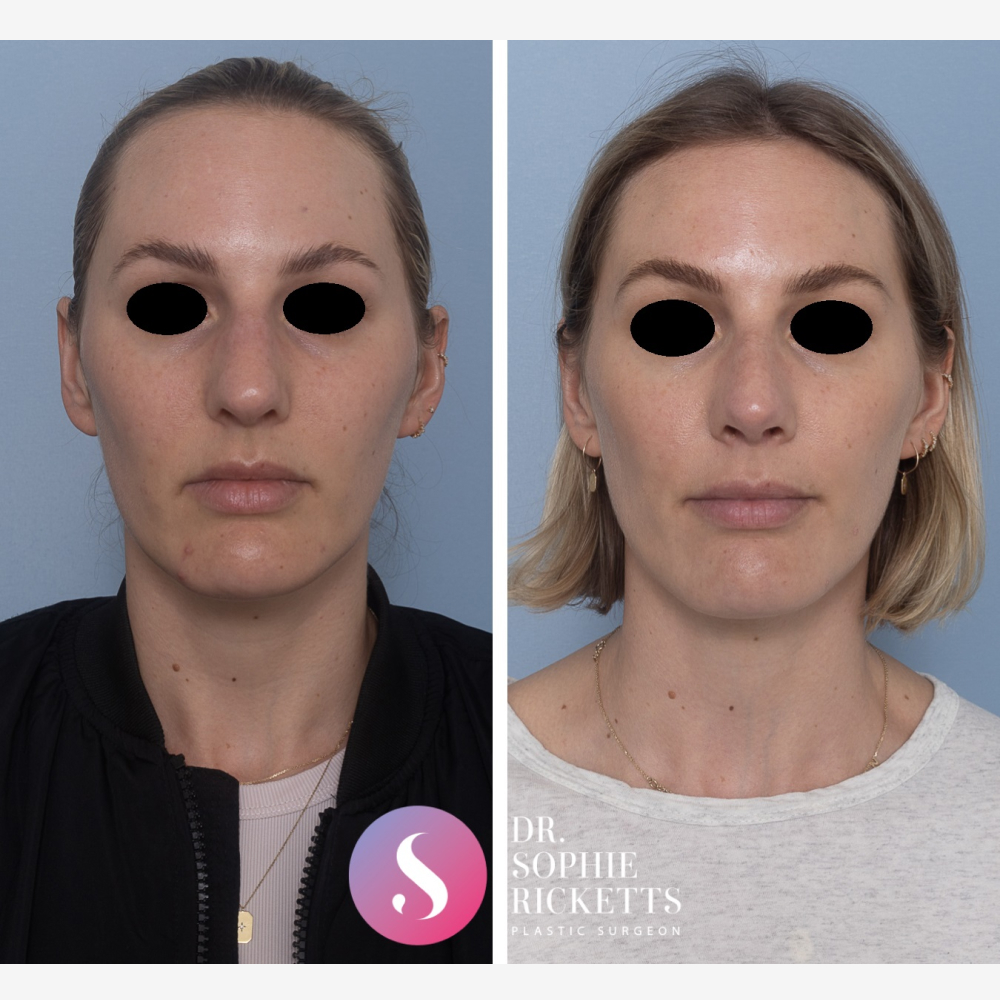
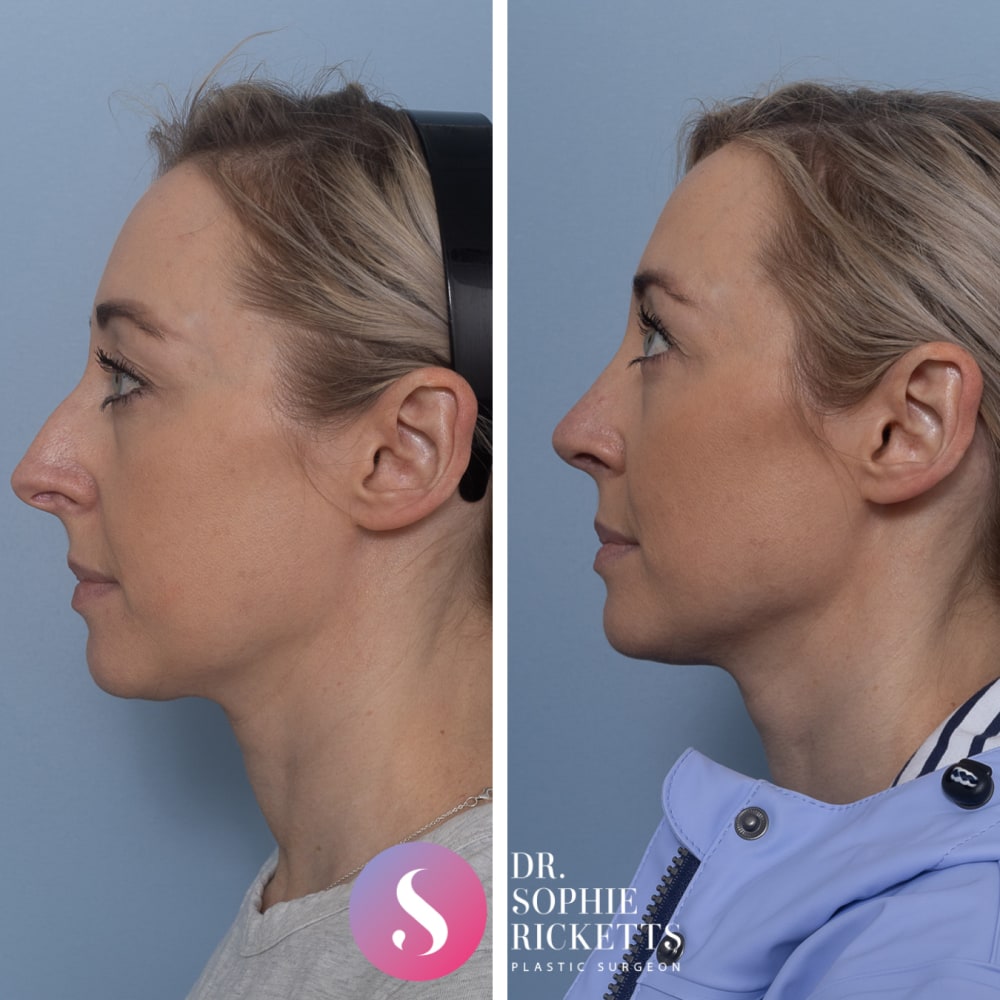
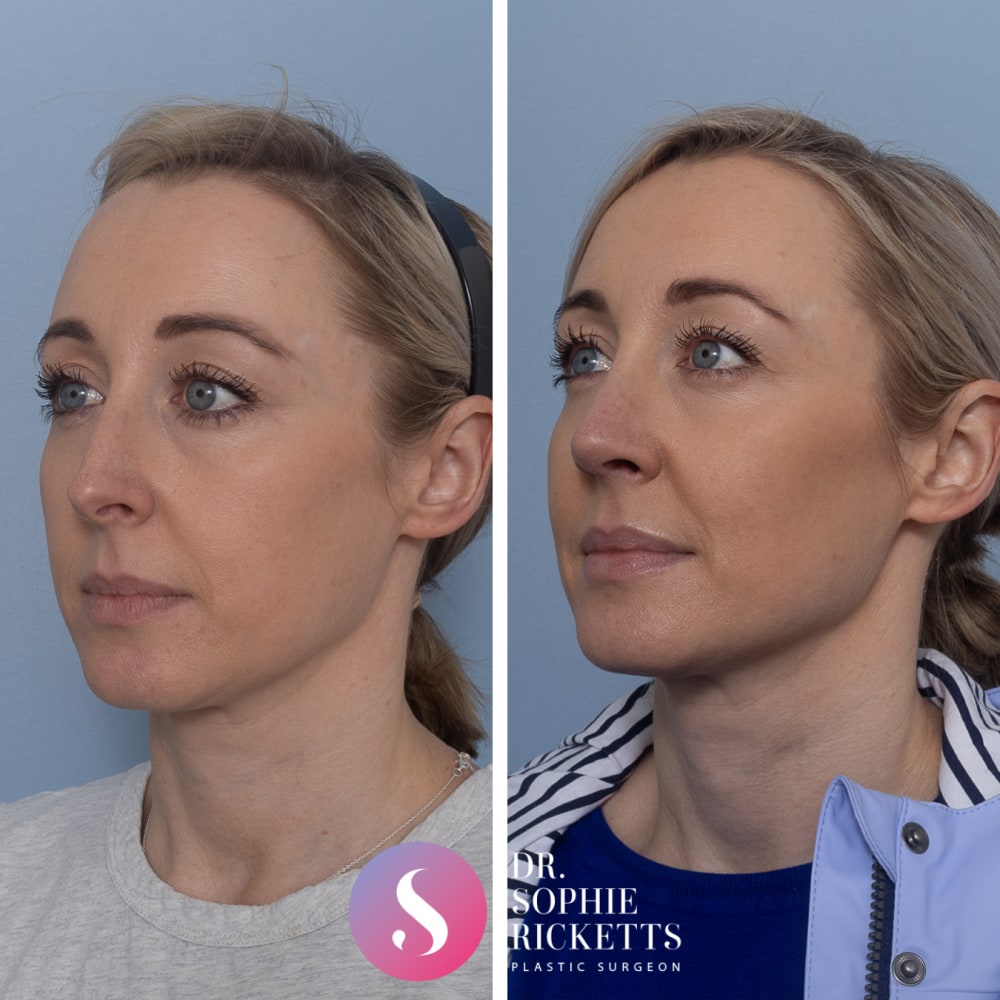
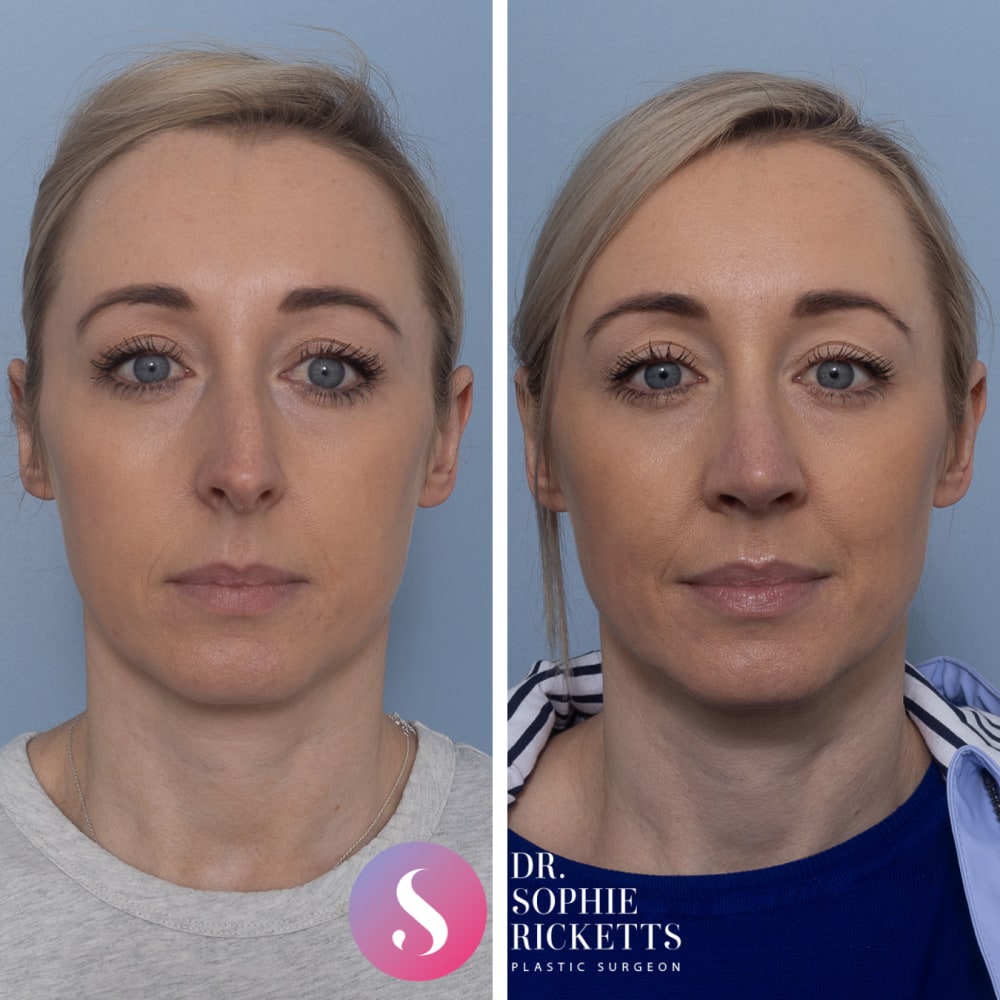
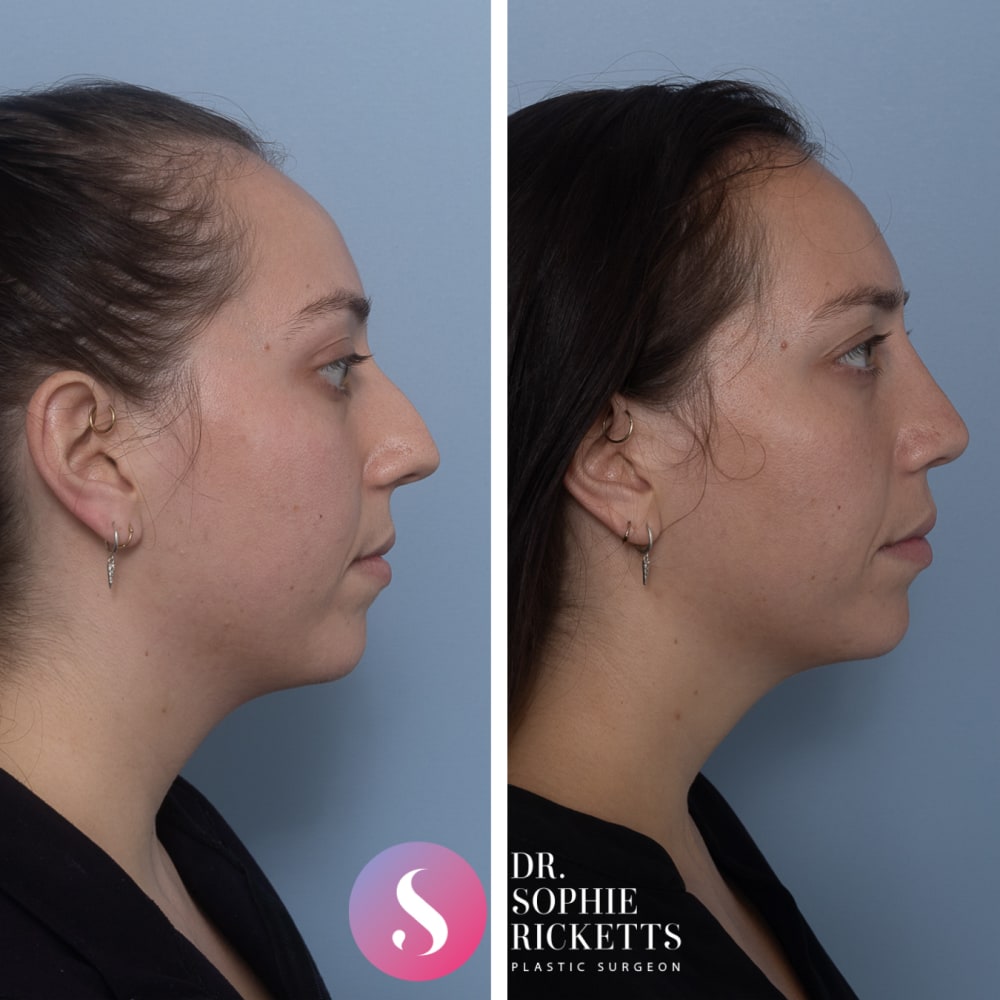
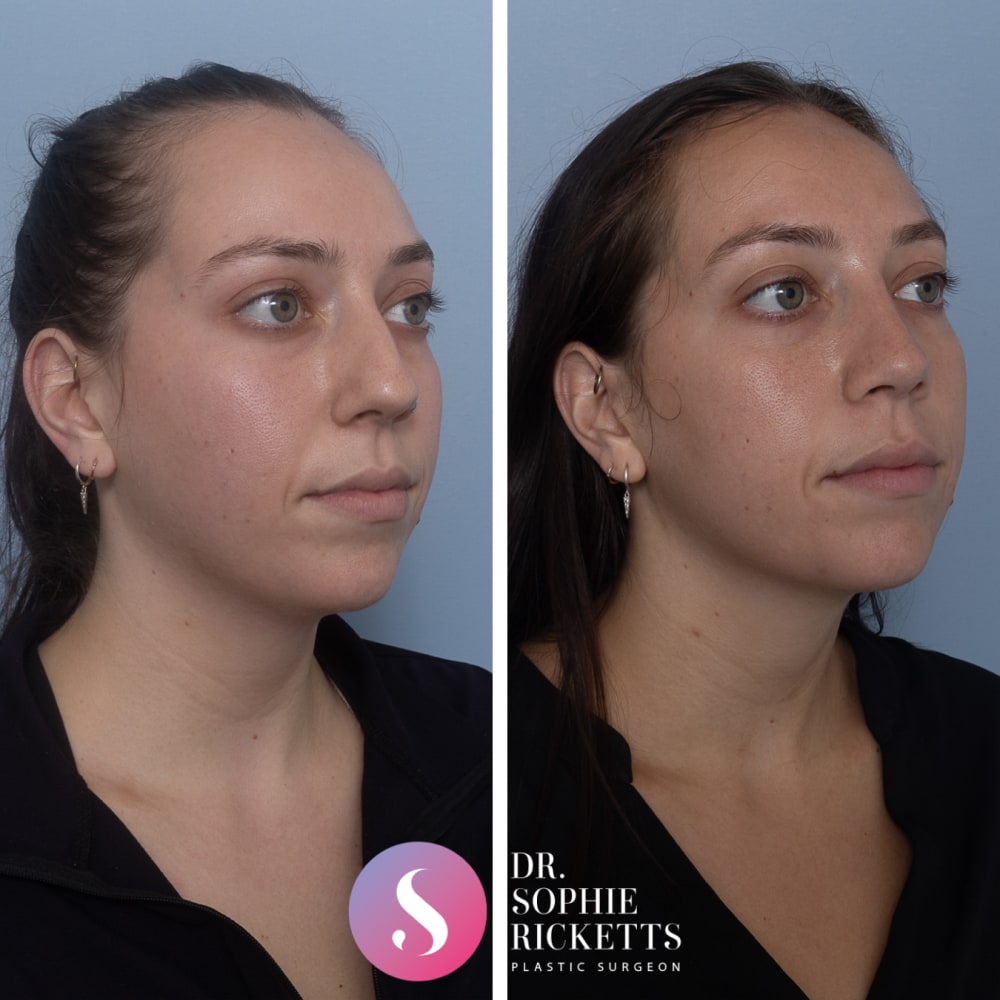
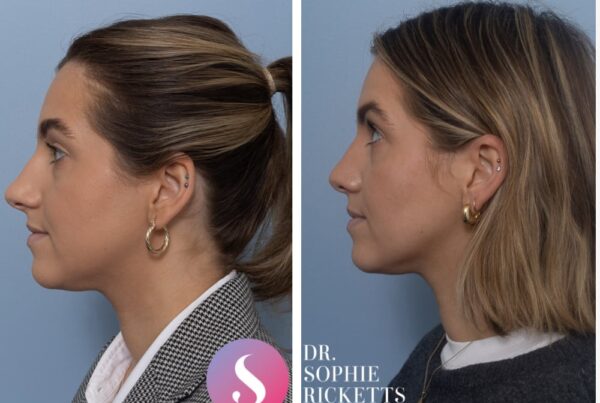
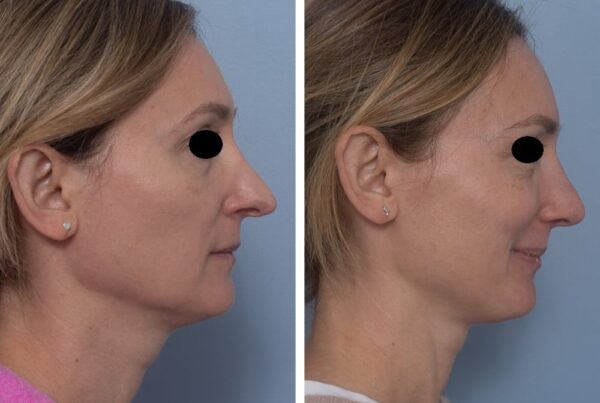
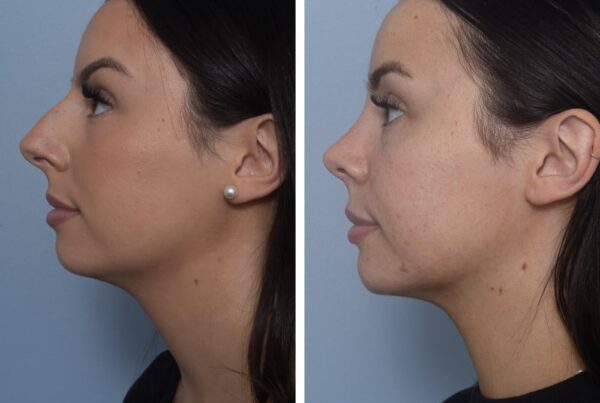
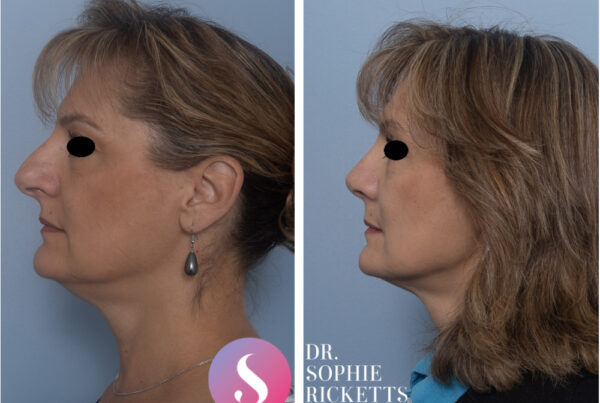
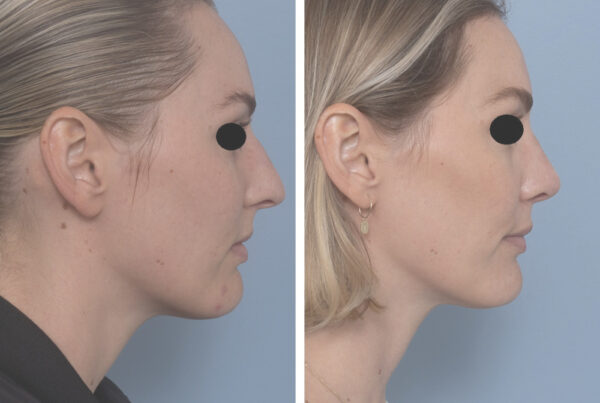
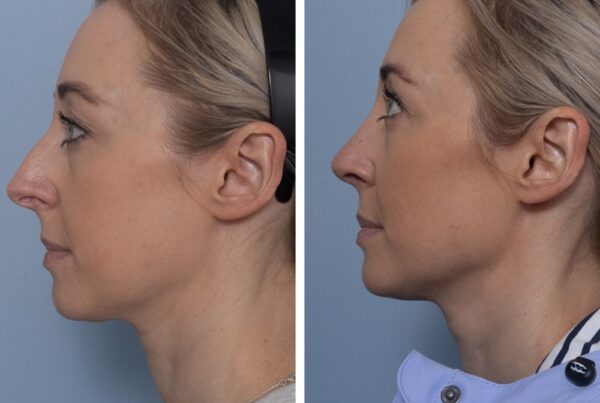
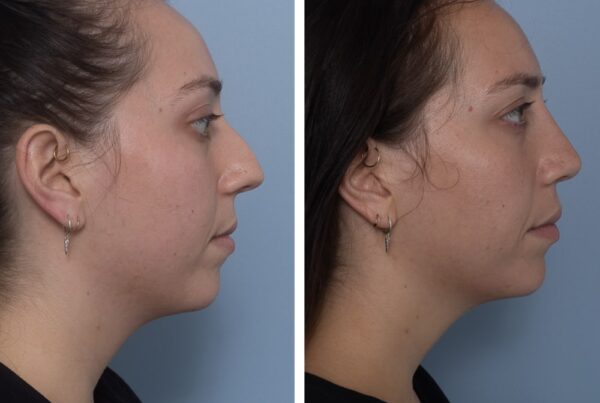
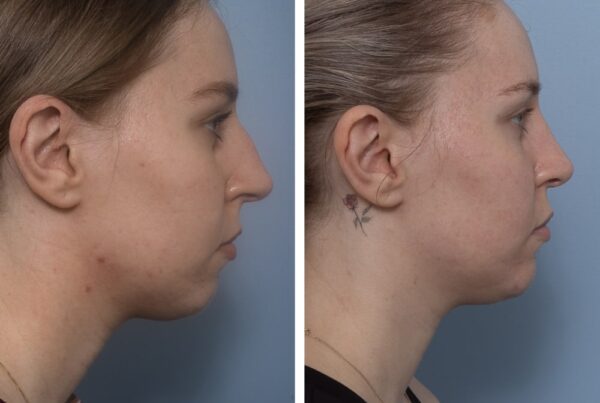
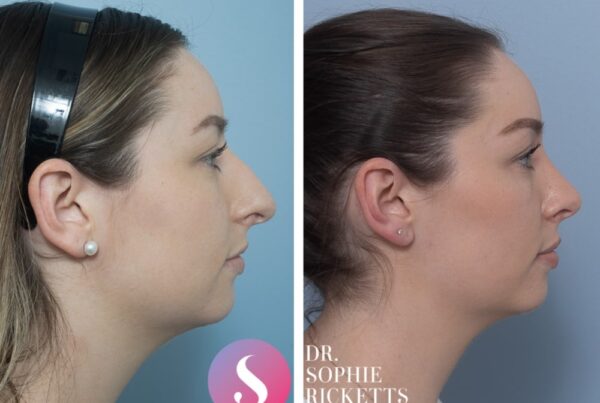
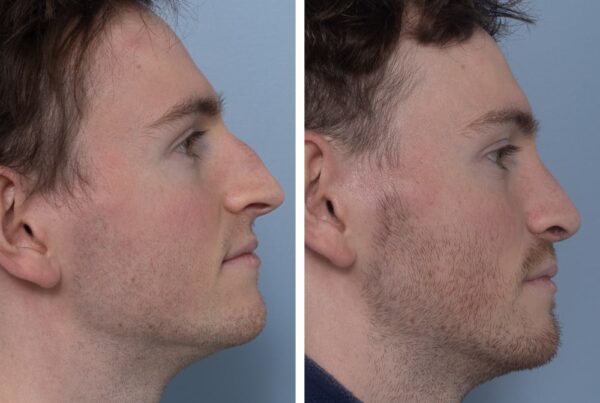
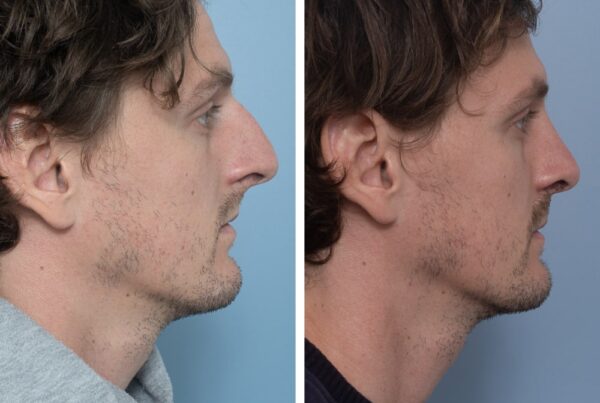
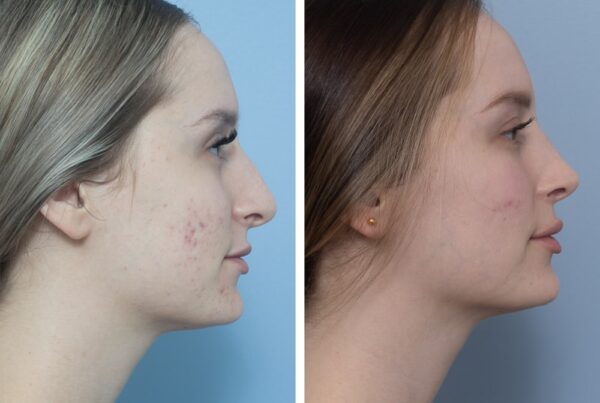
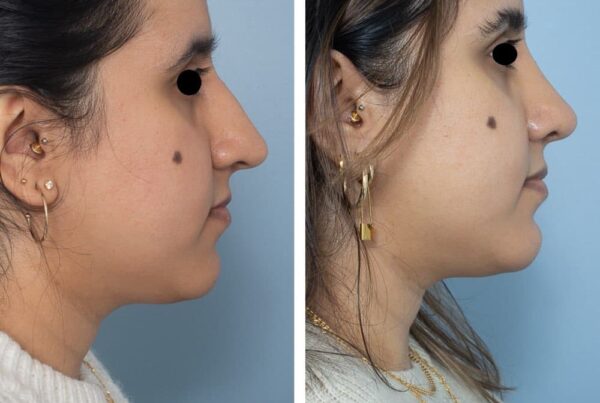
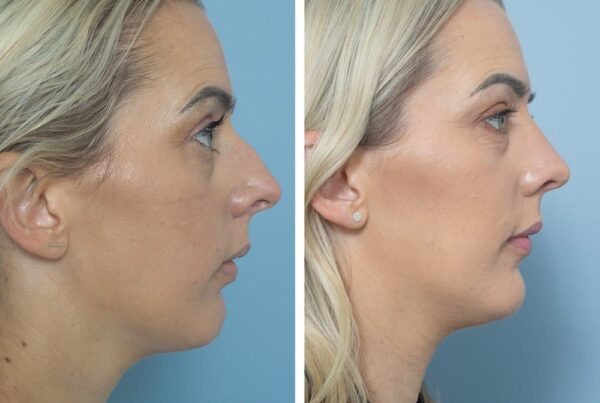
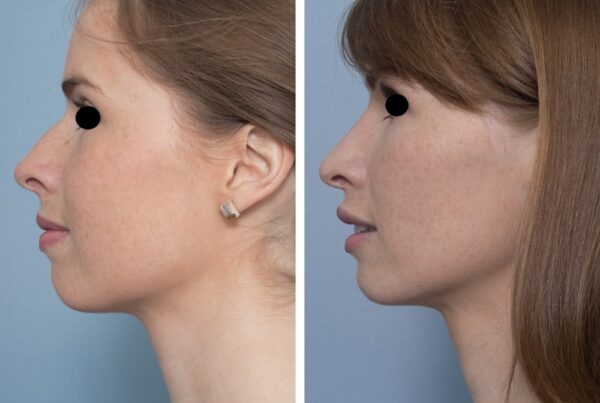
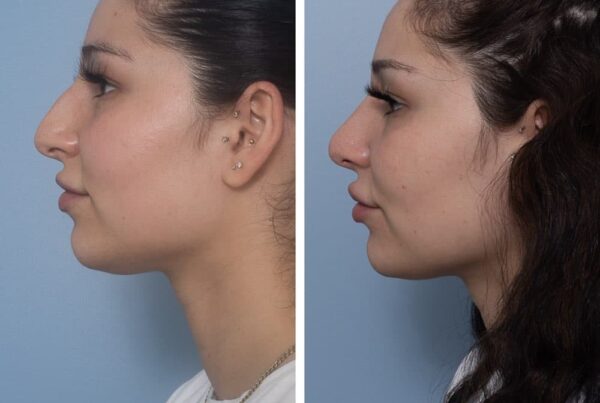
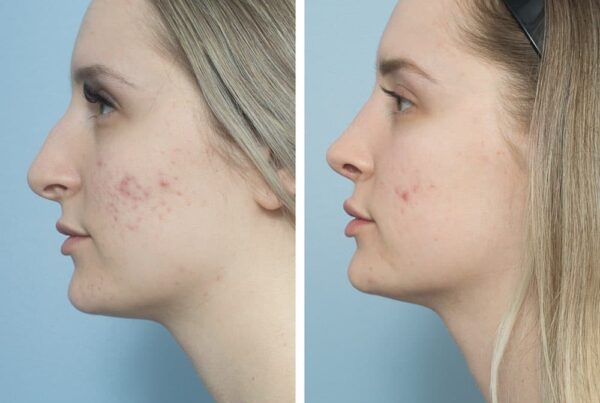
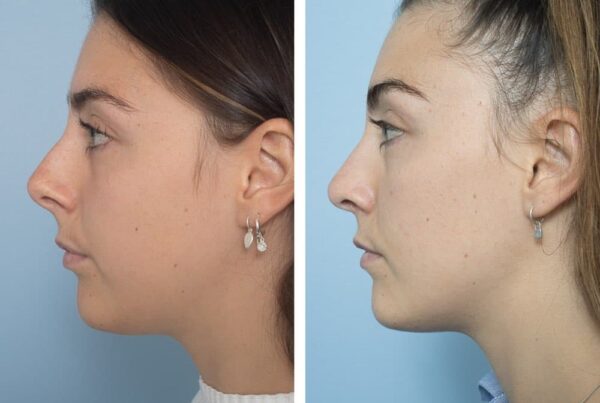
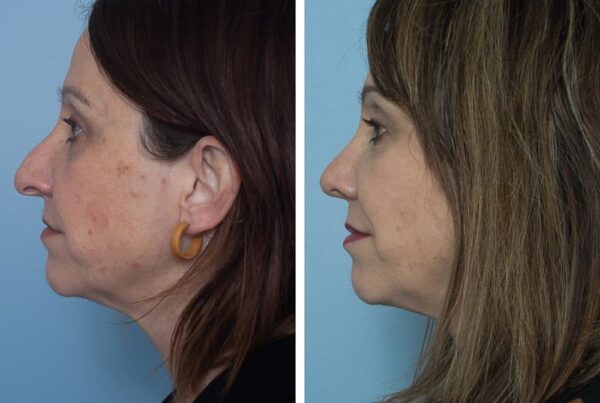
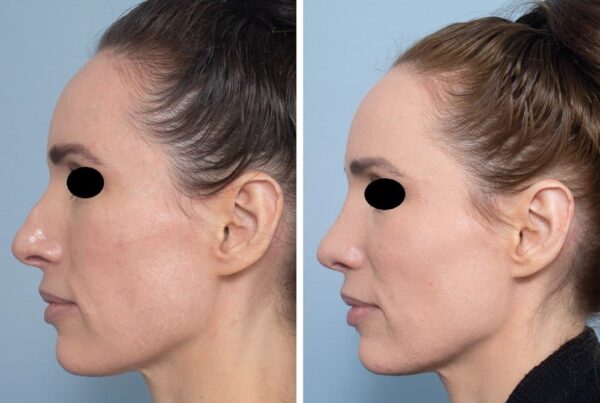
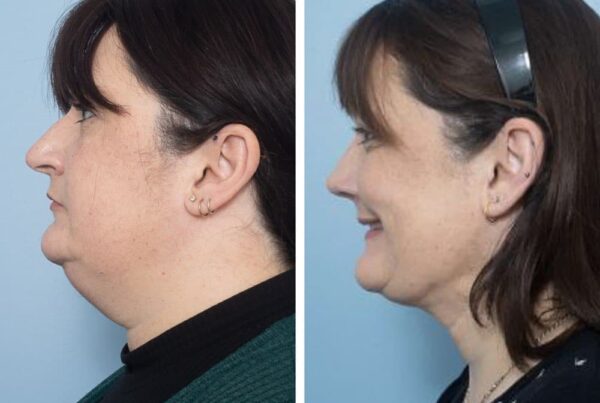
Gallery
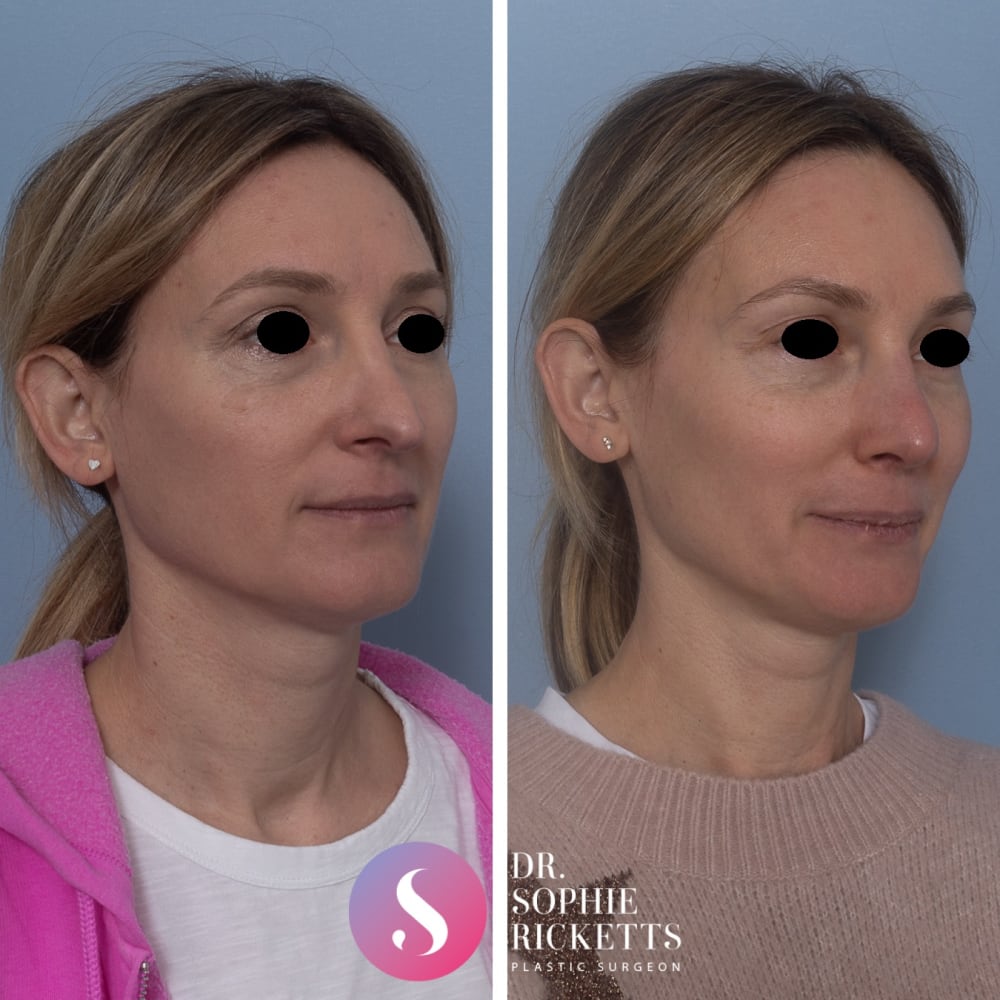
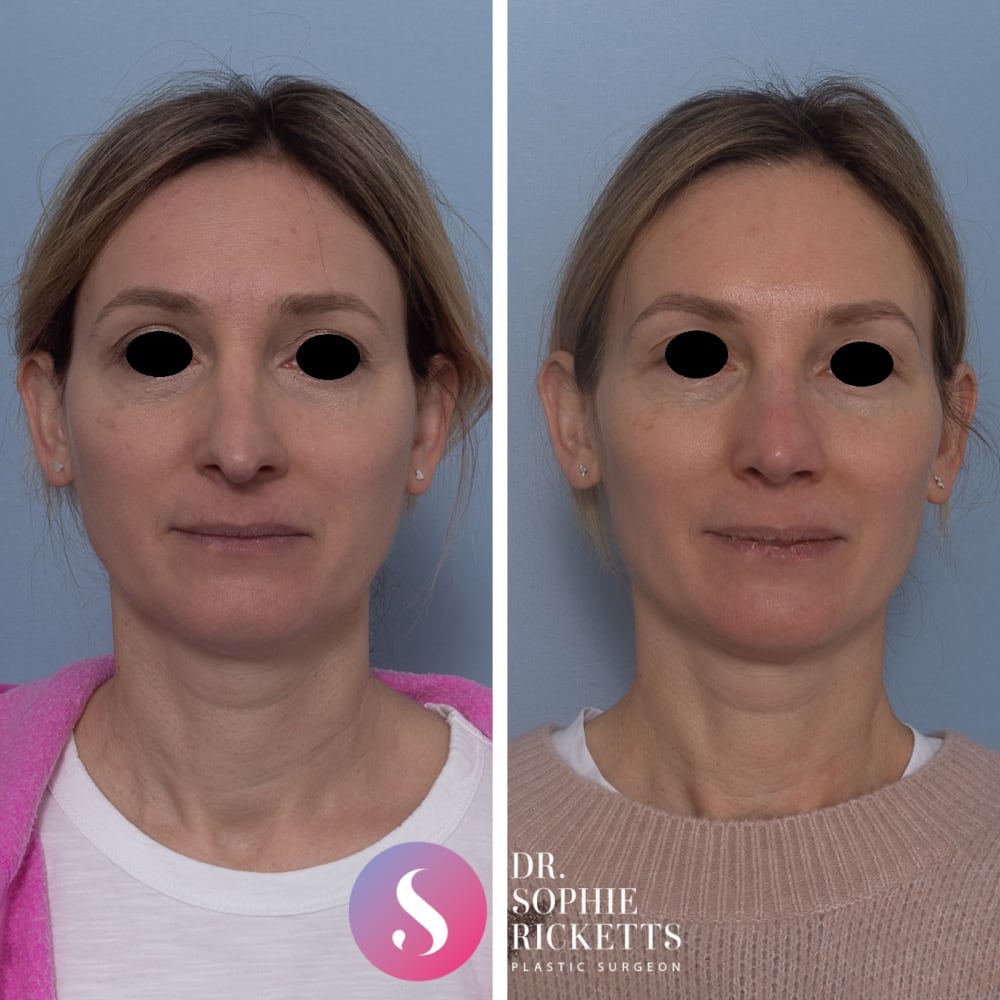
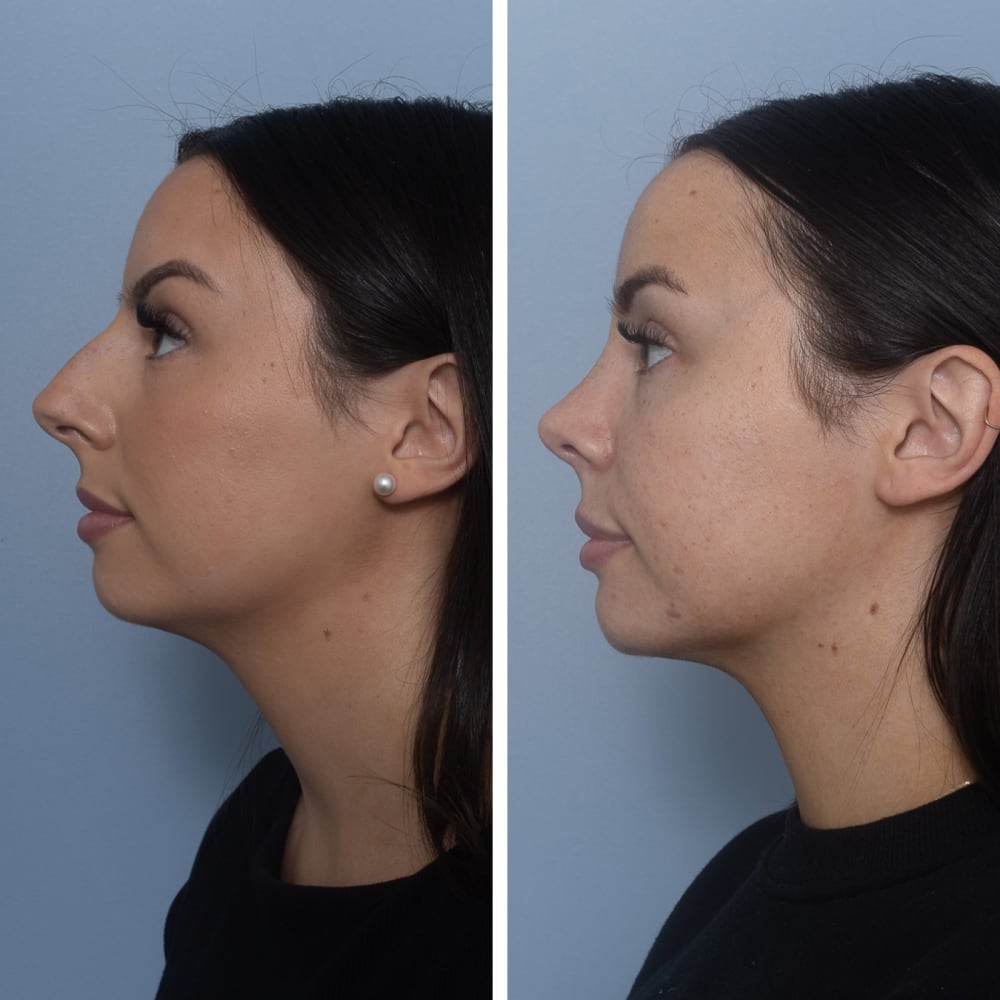
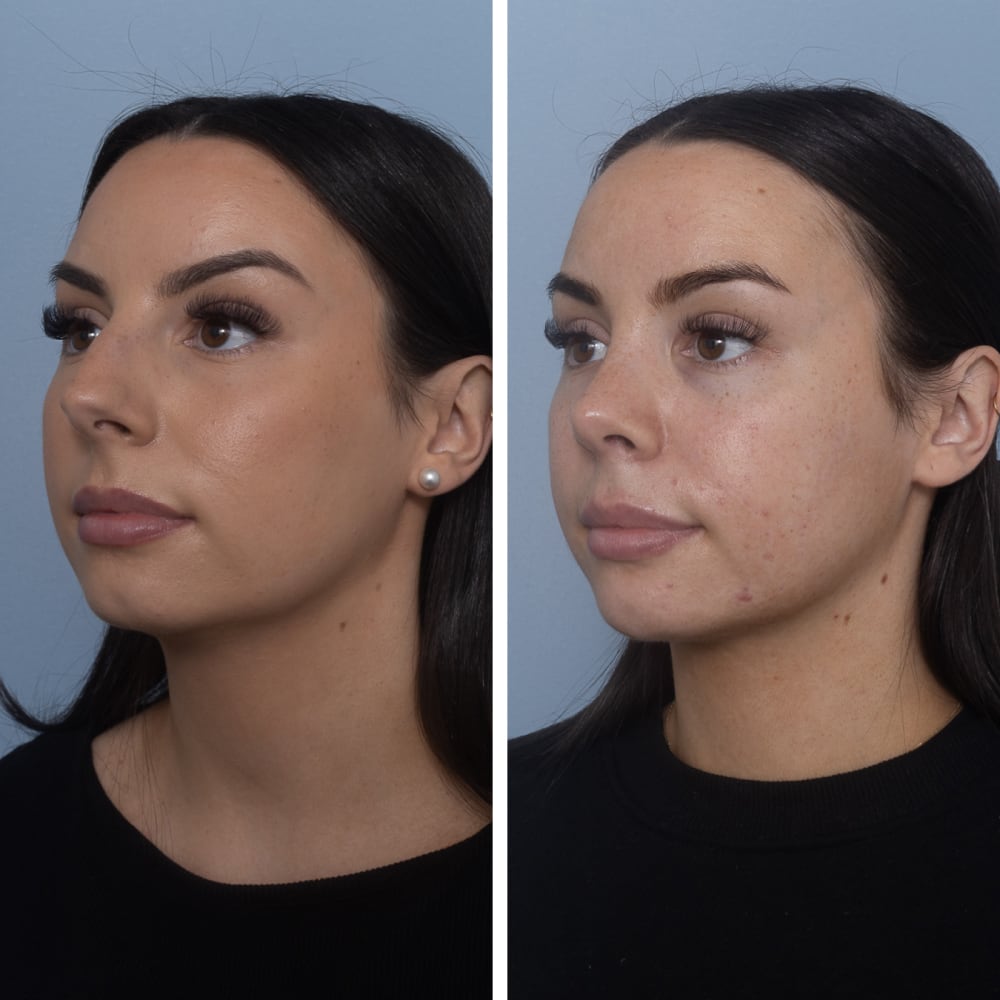
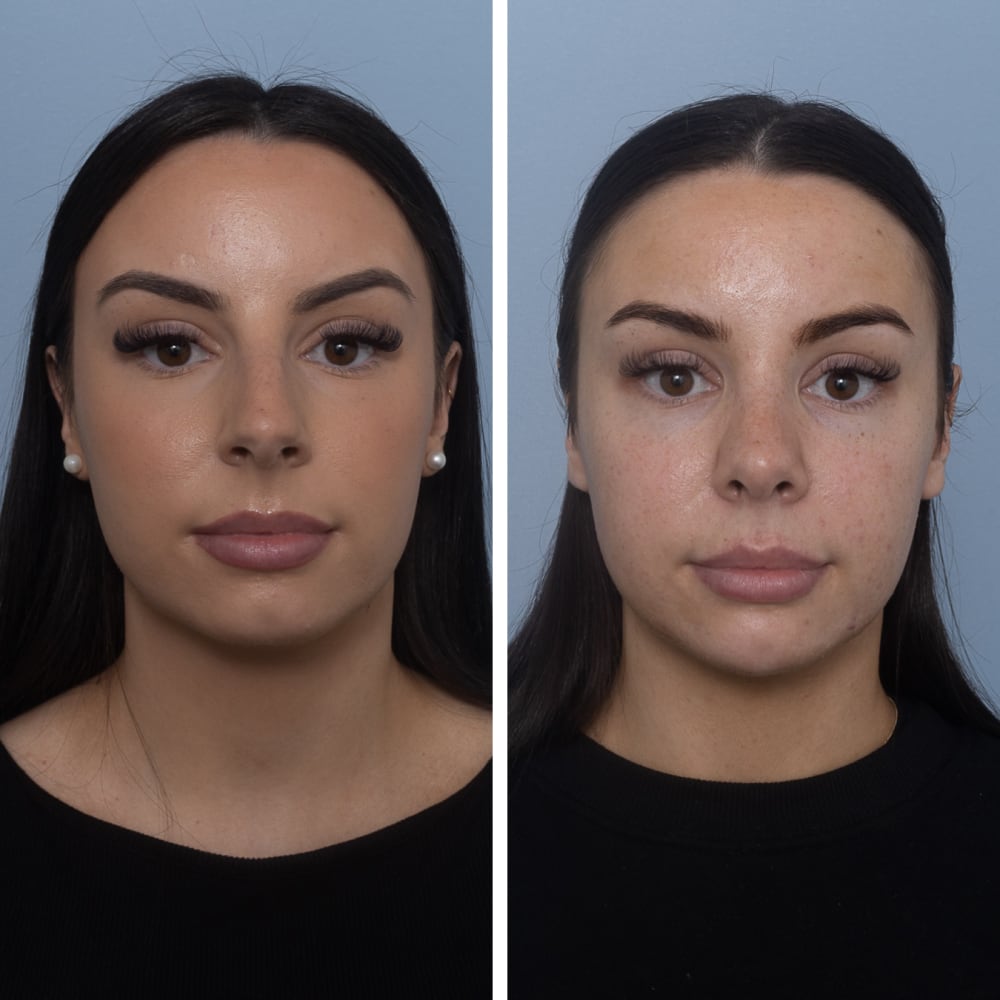
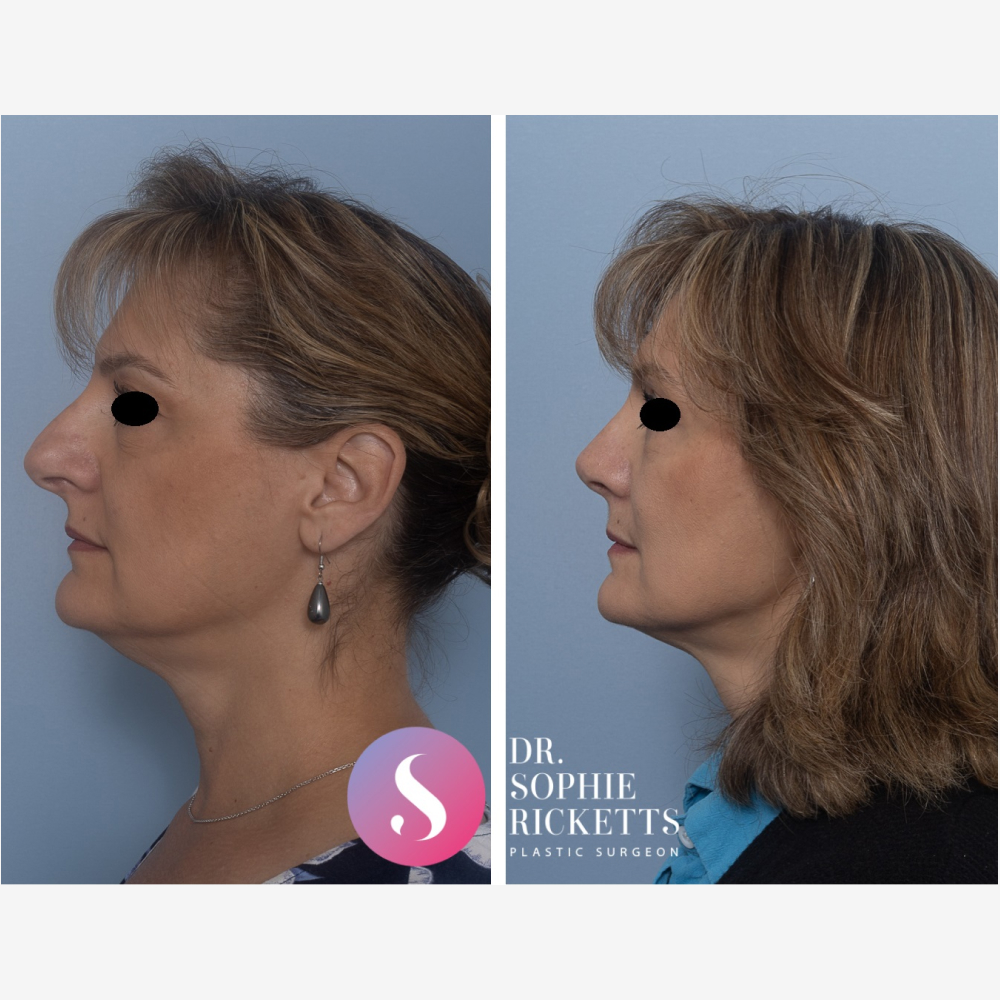
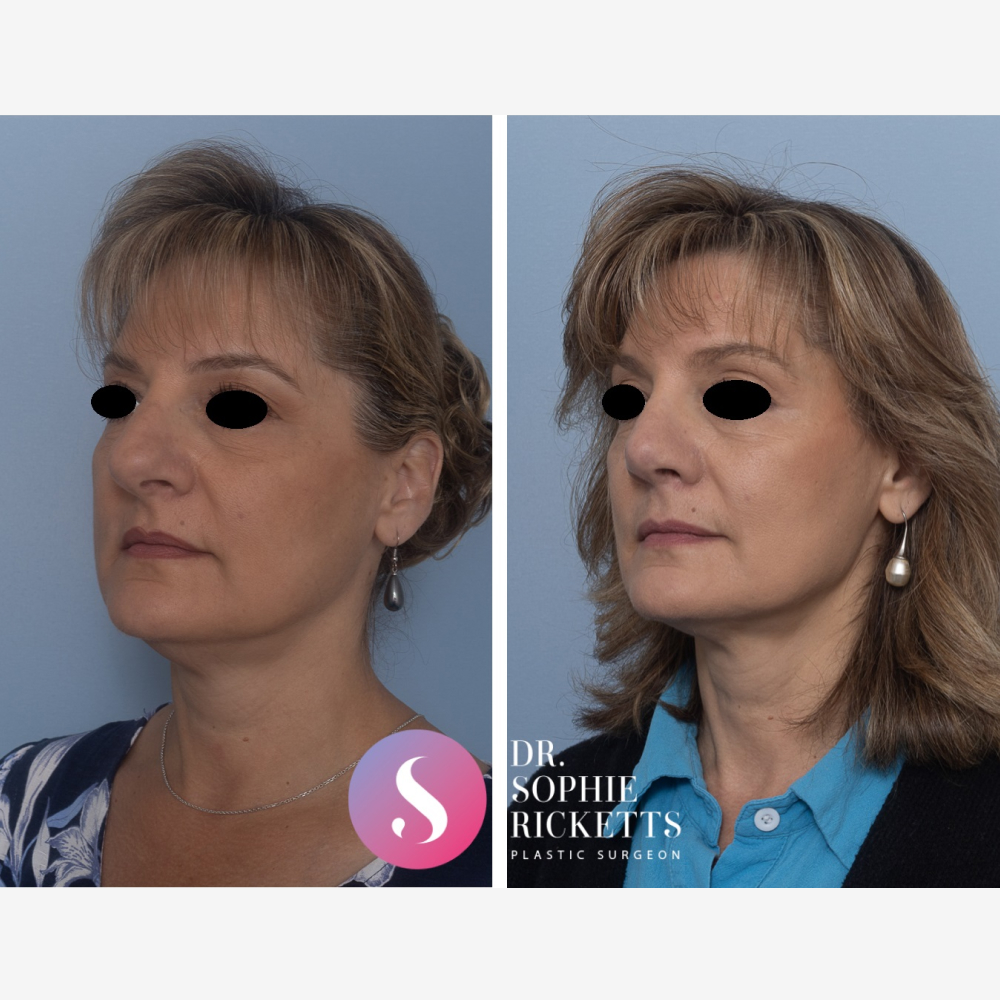
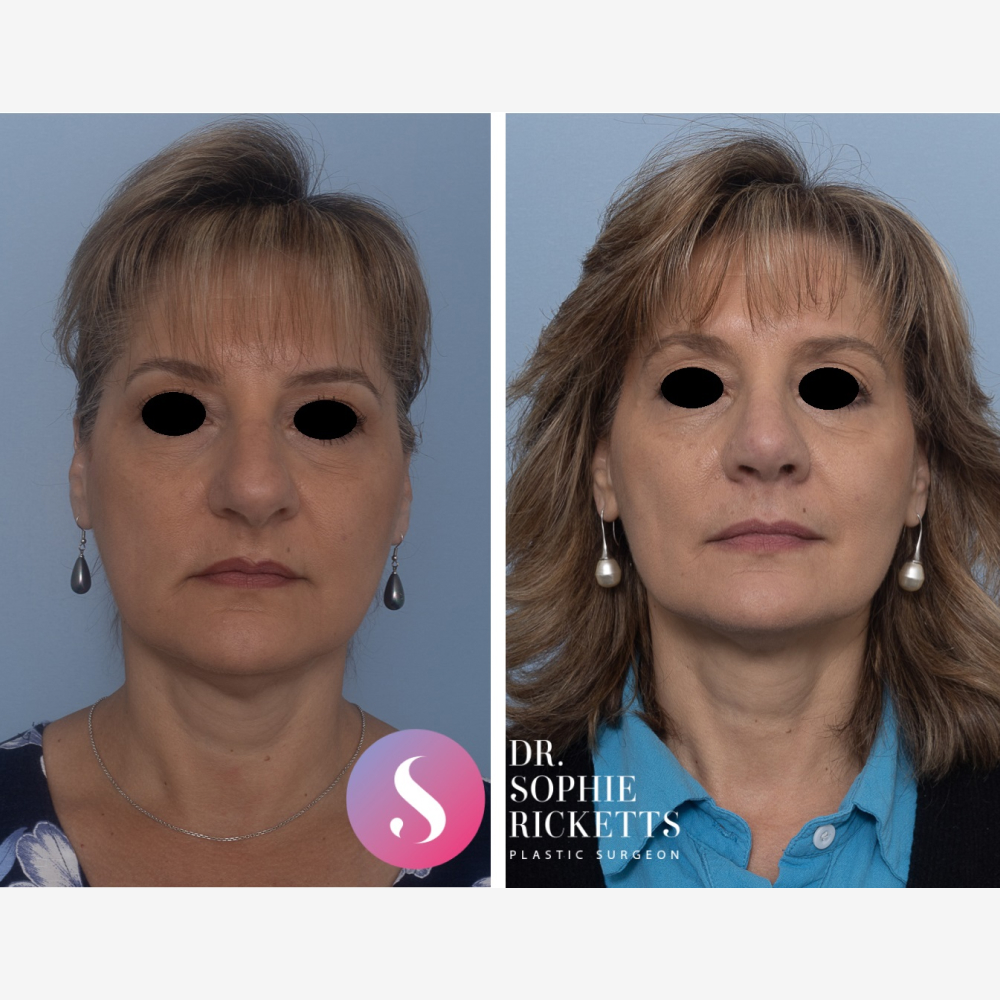
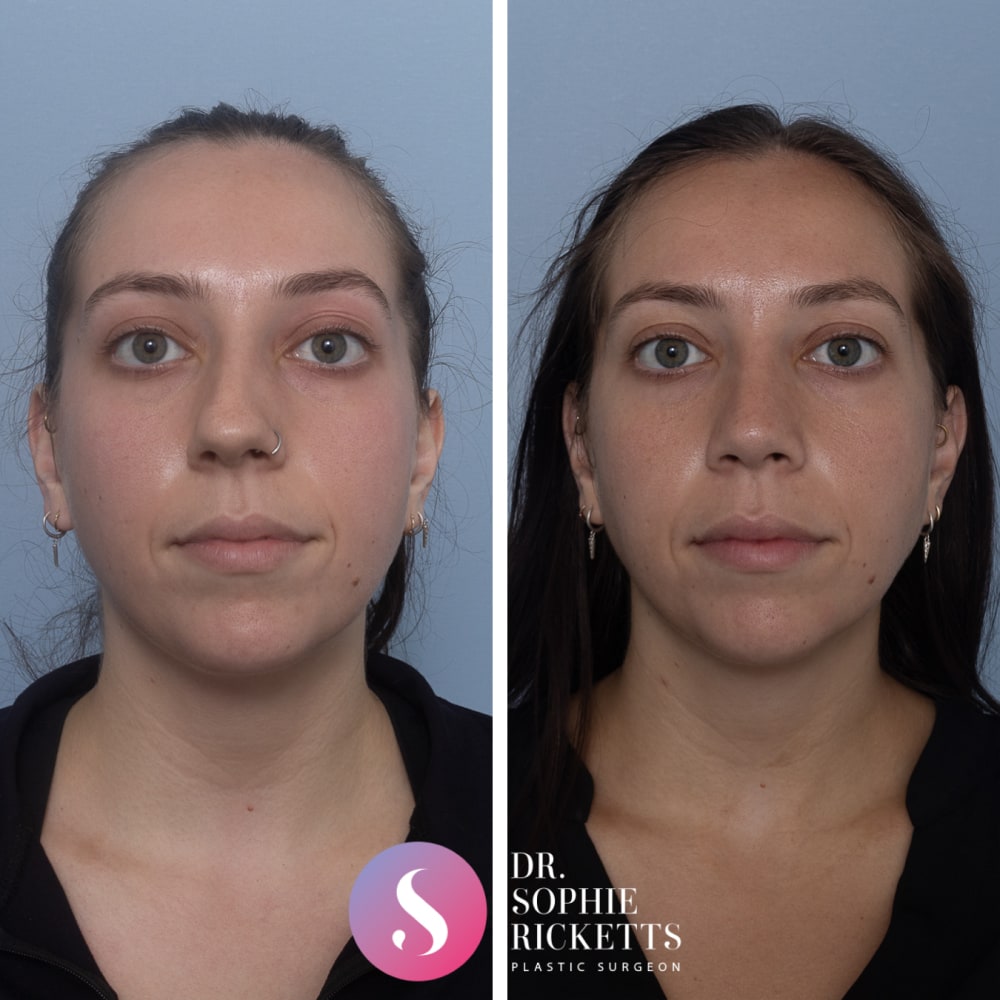
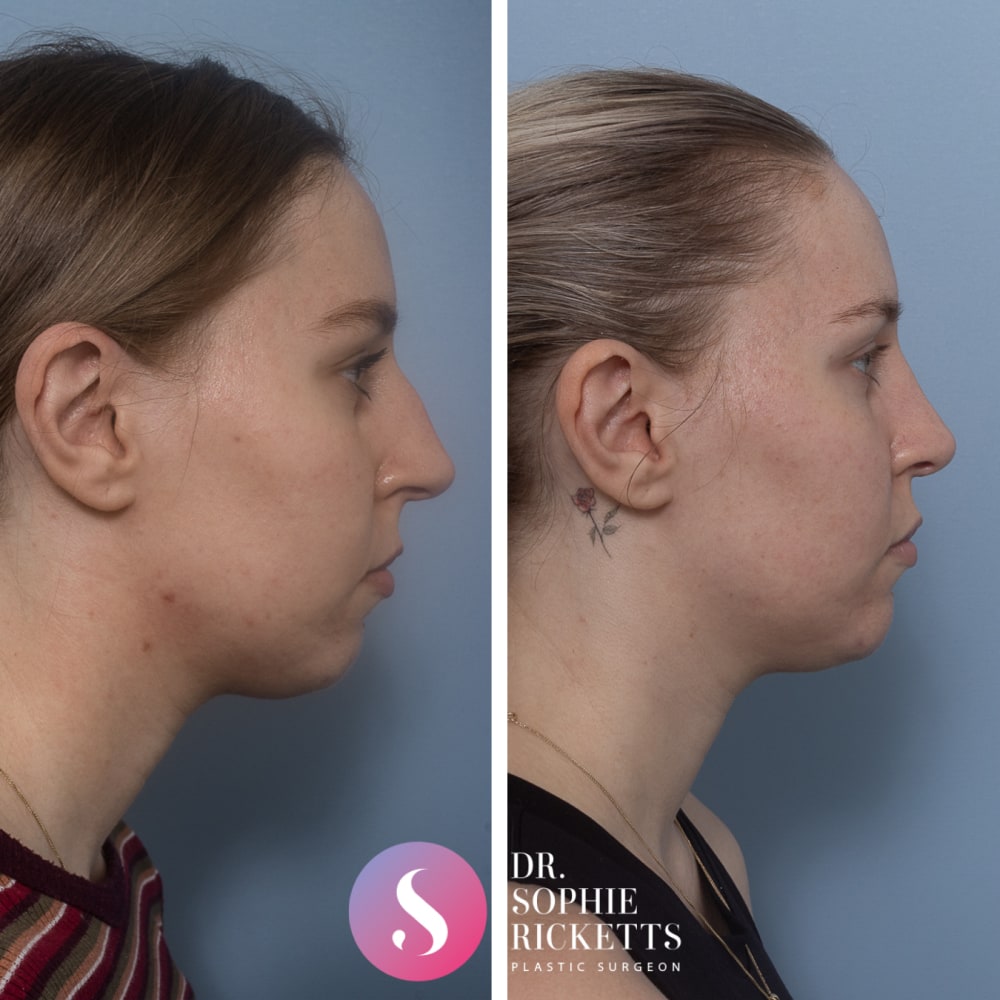
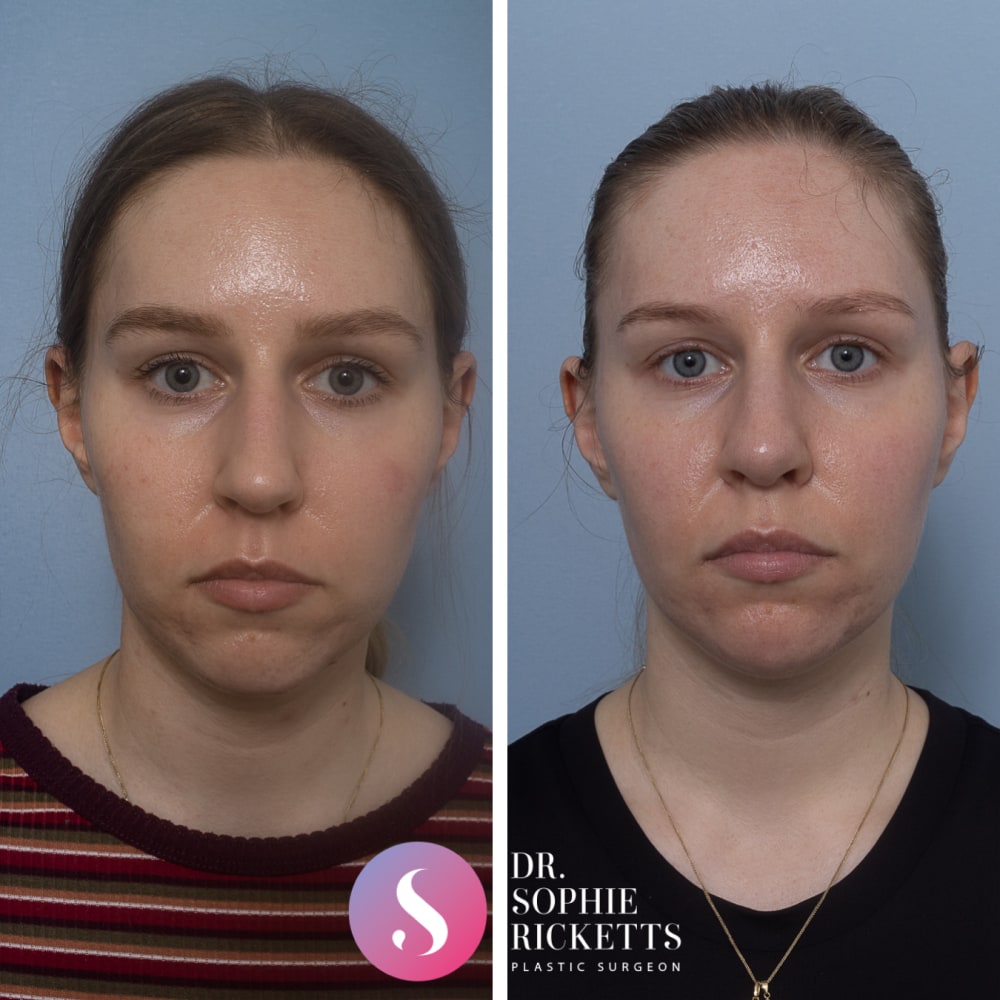
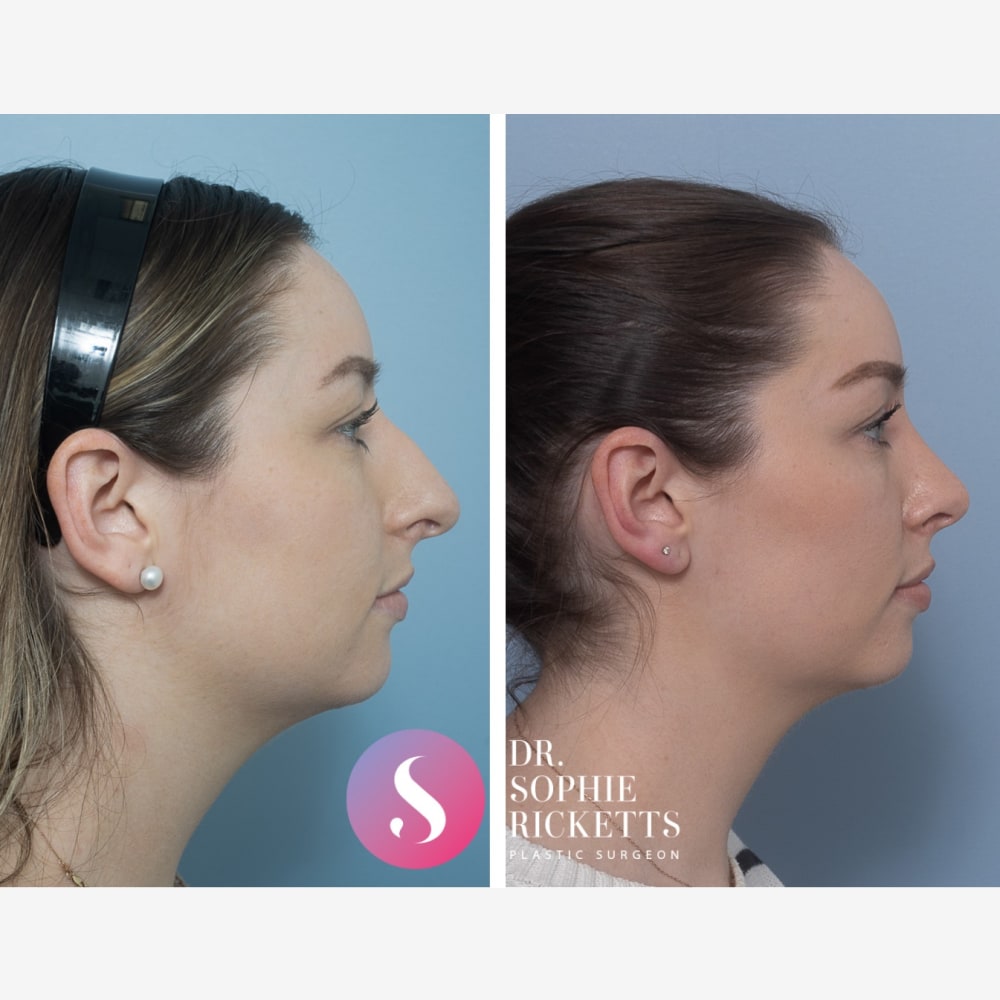
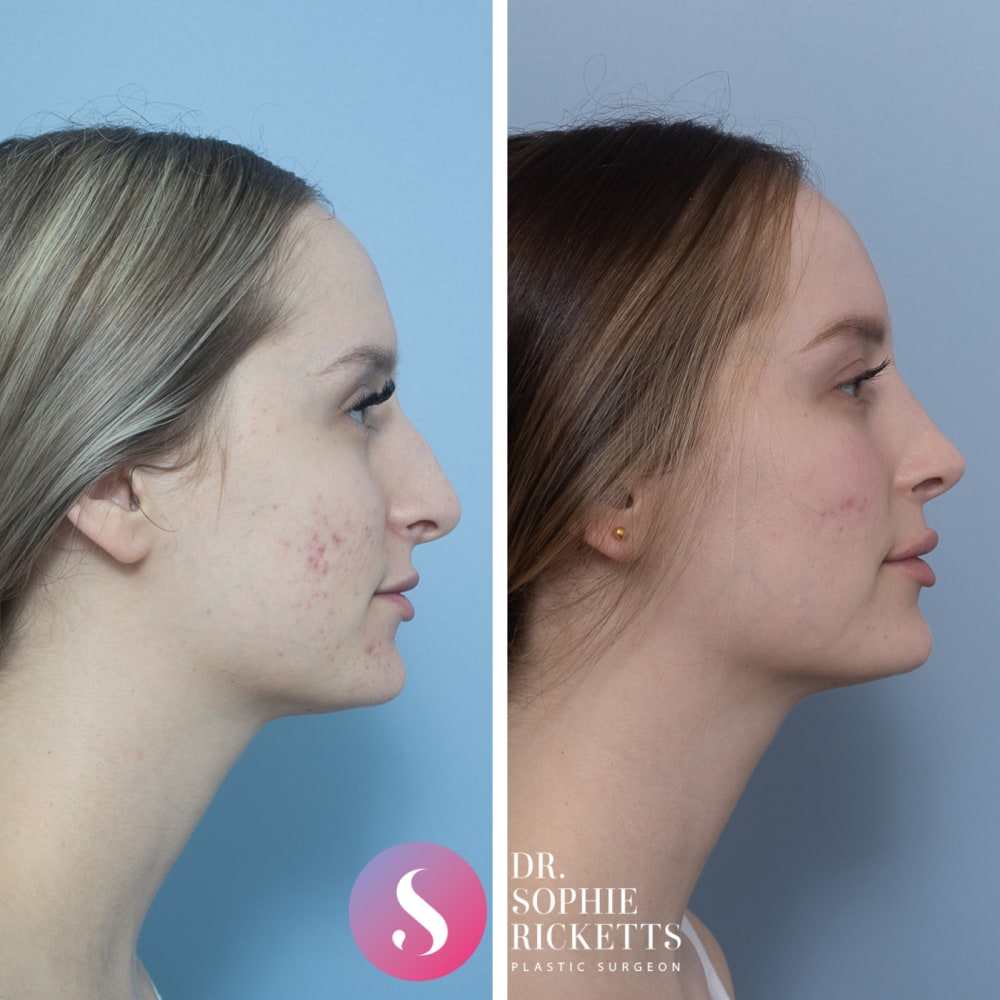
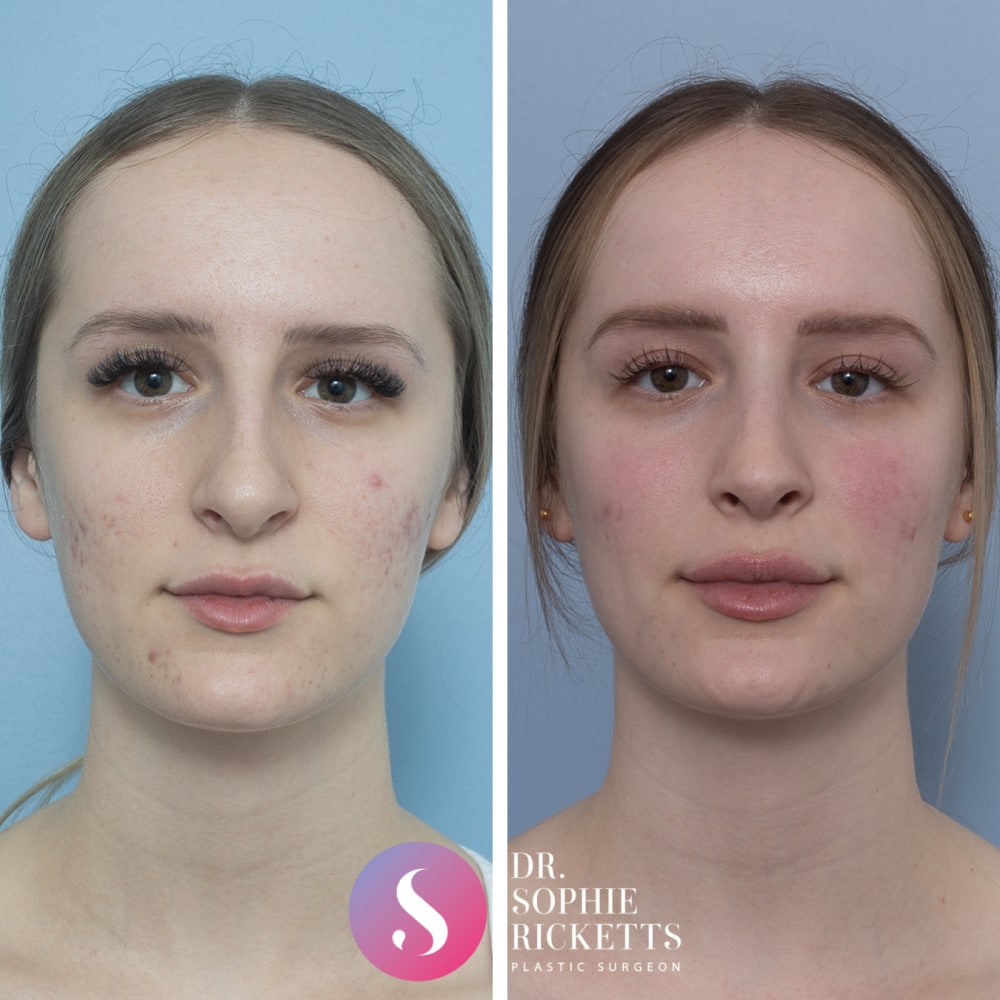
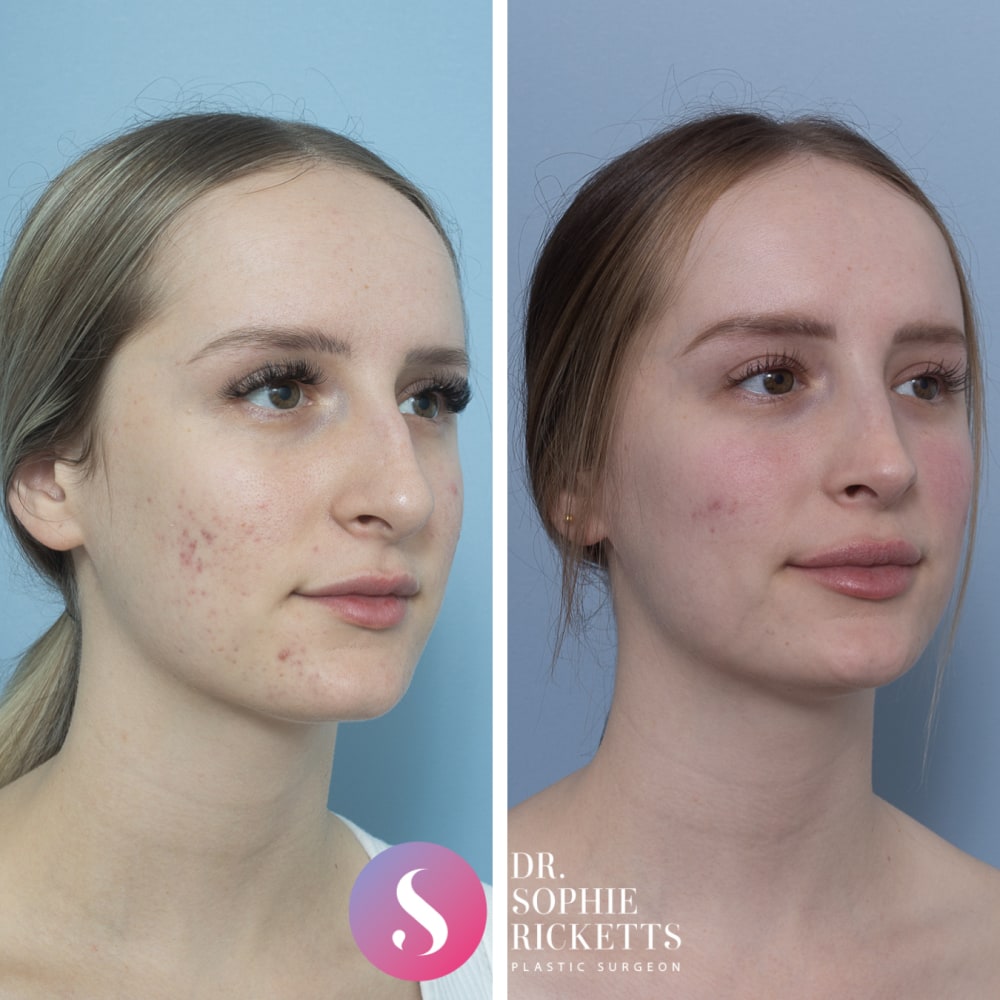
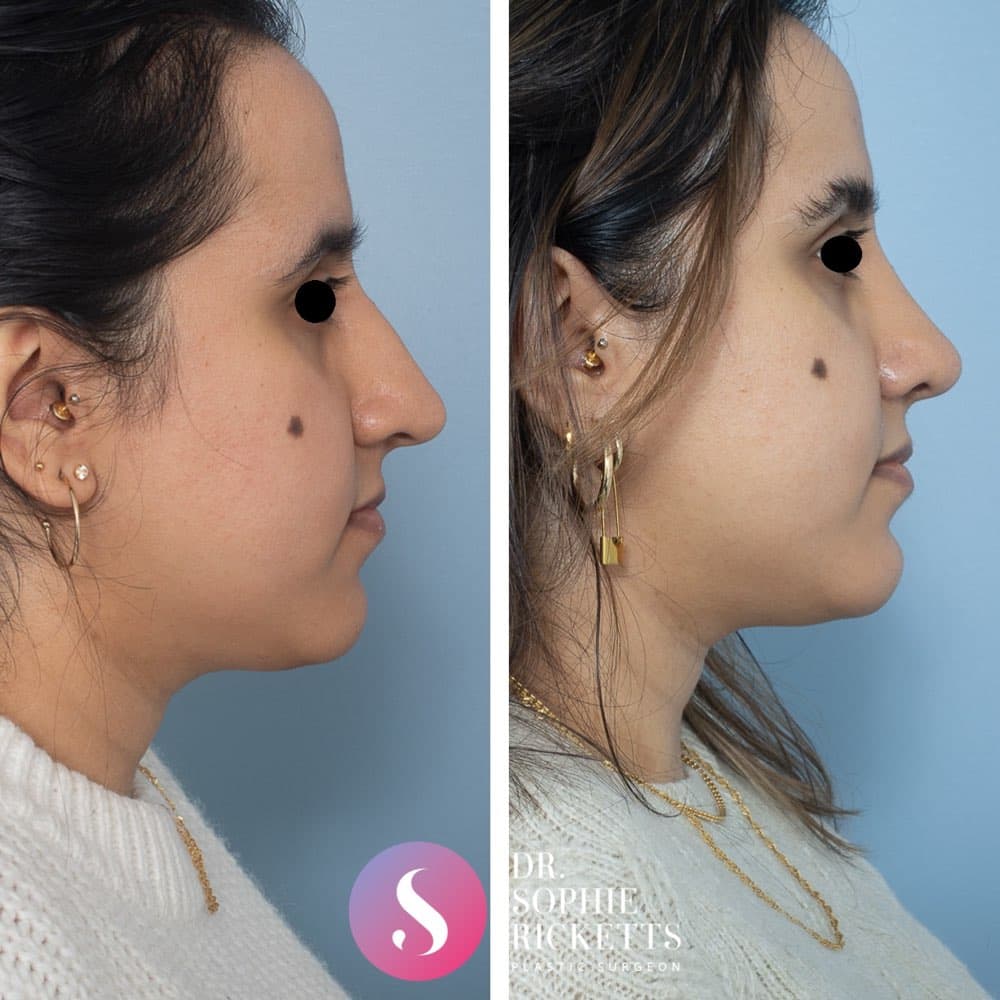
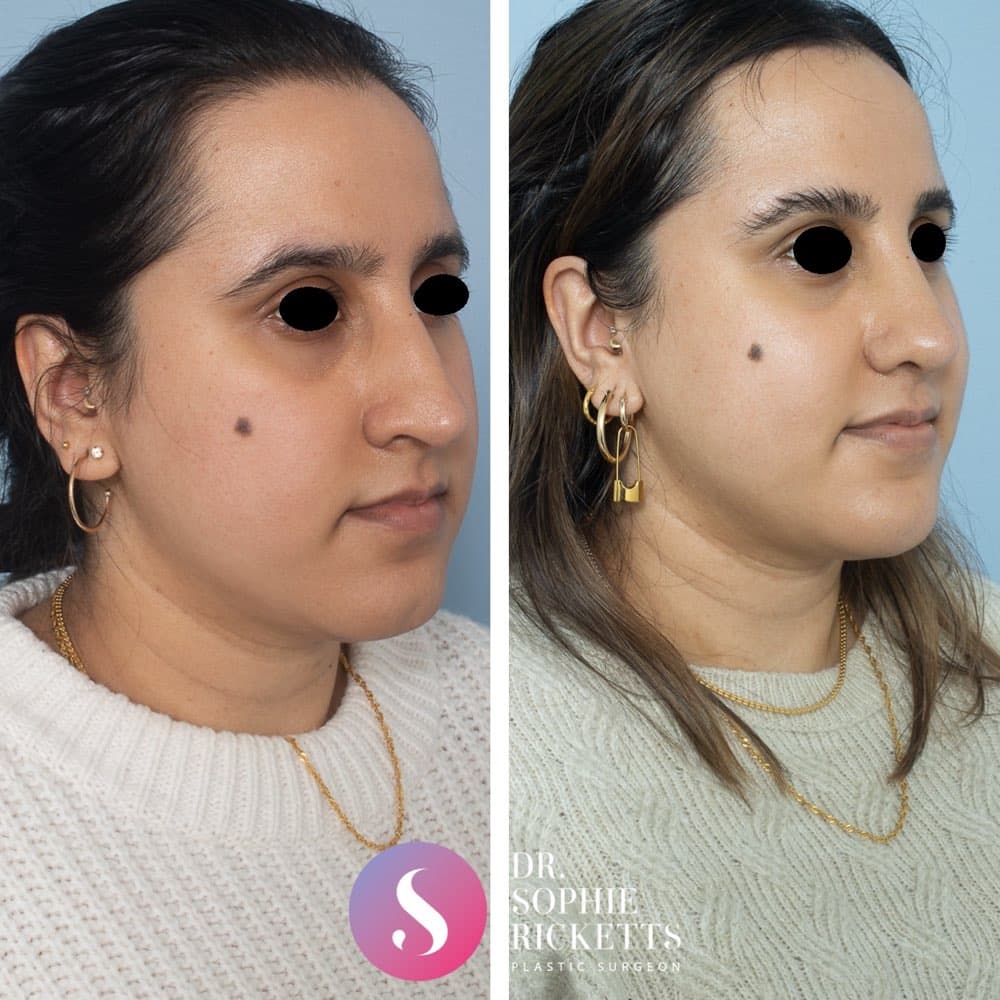
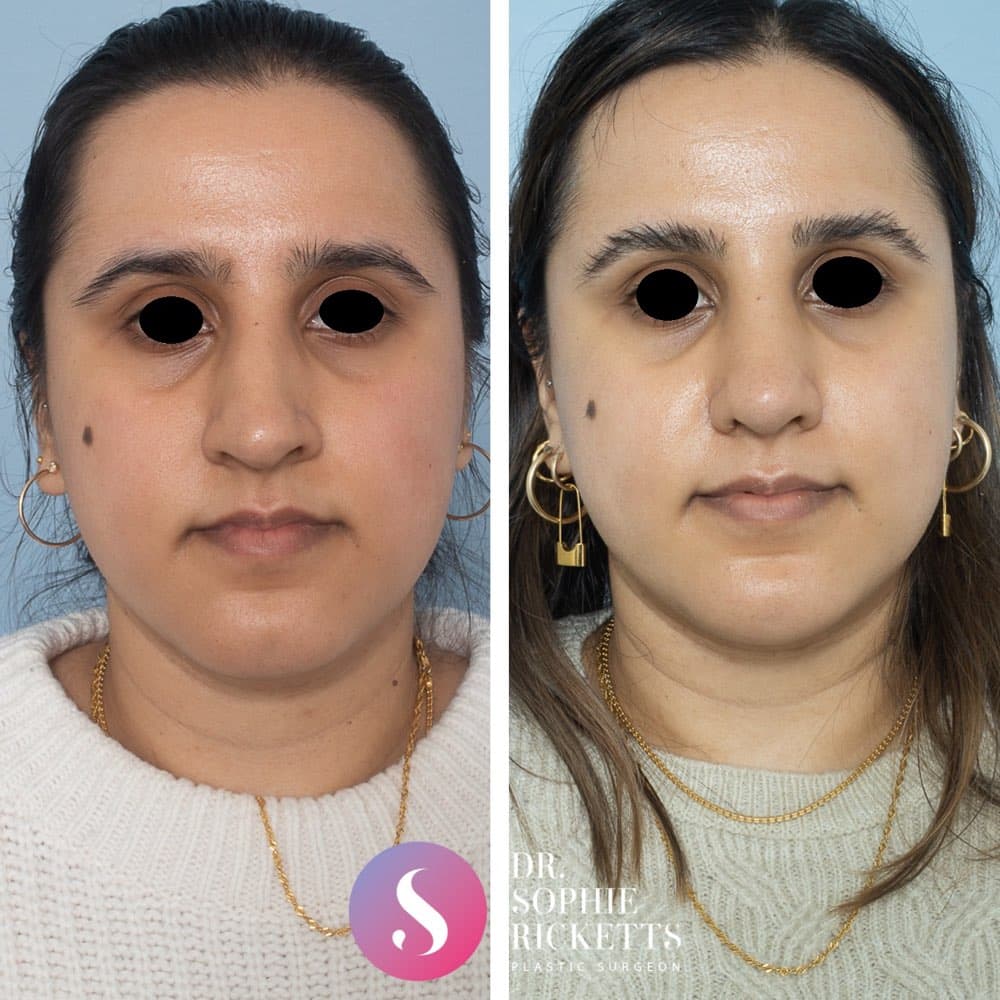
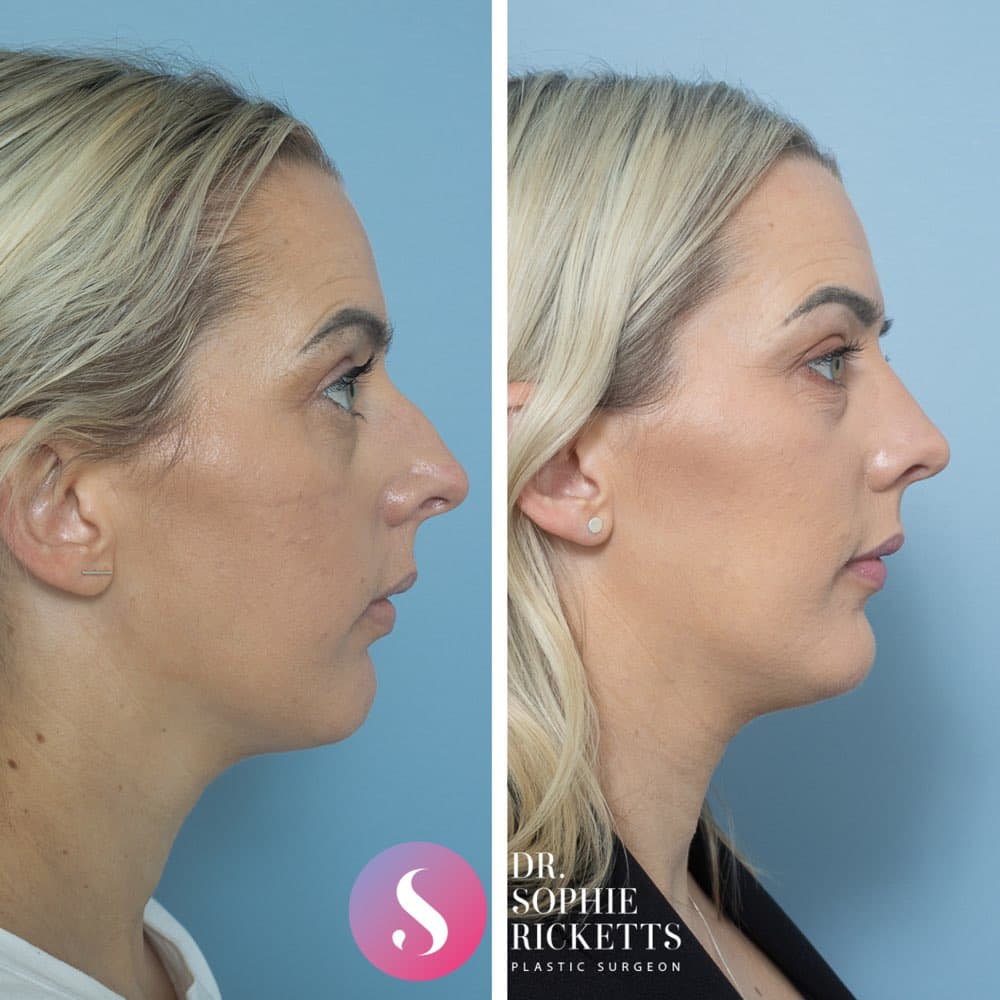
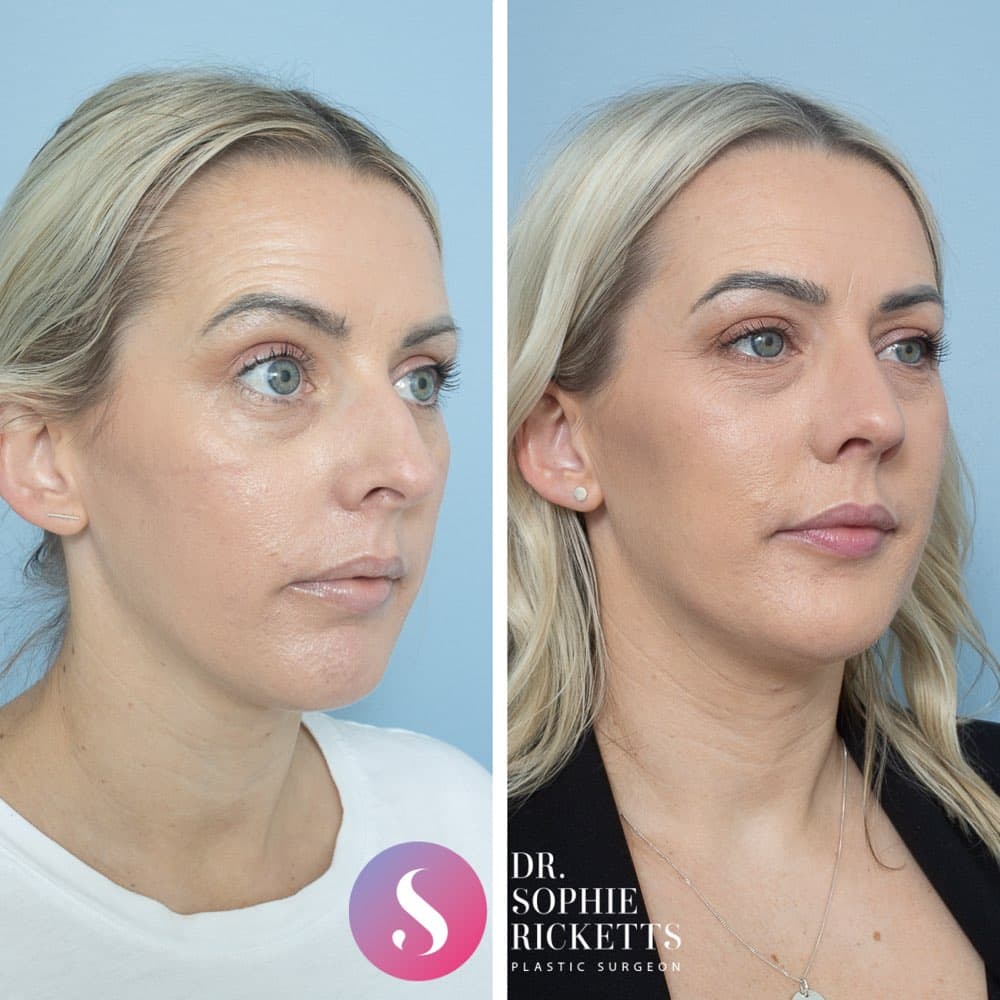
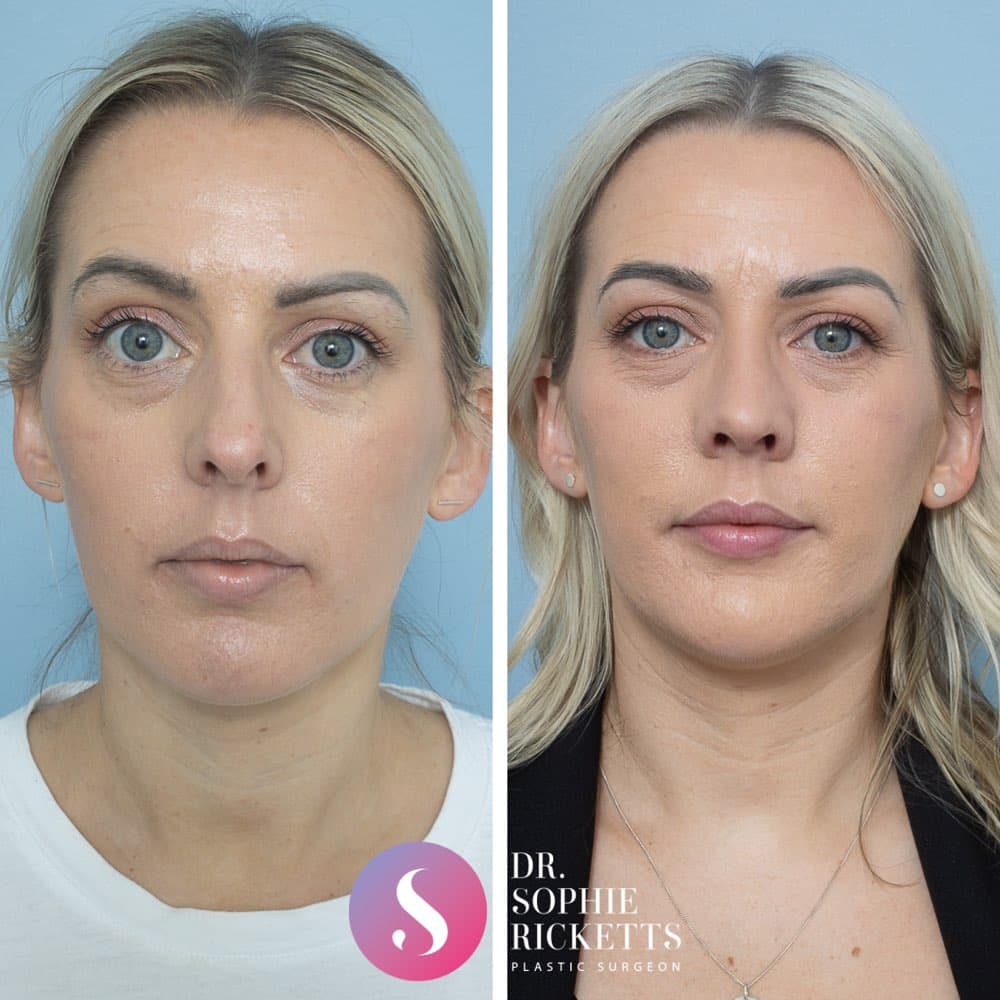
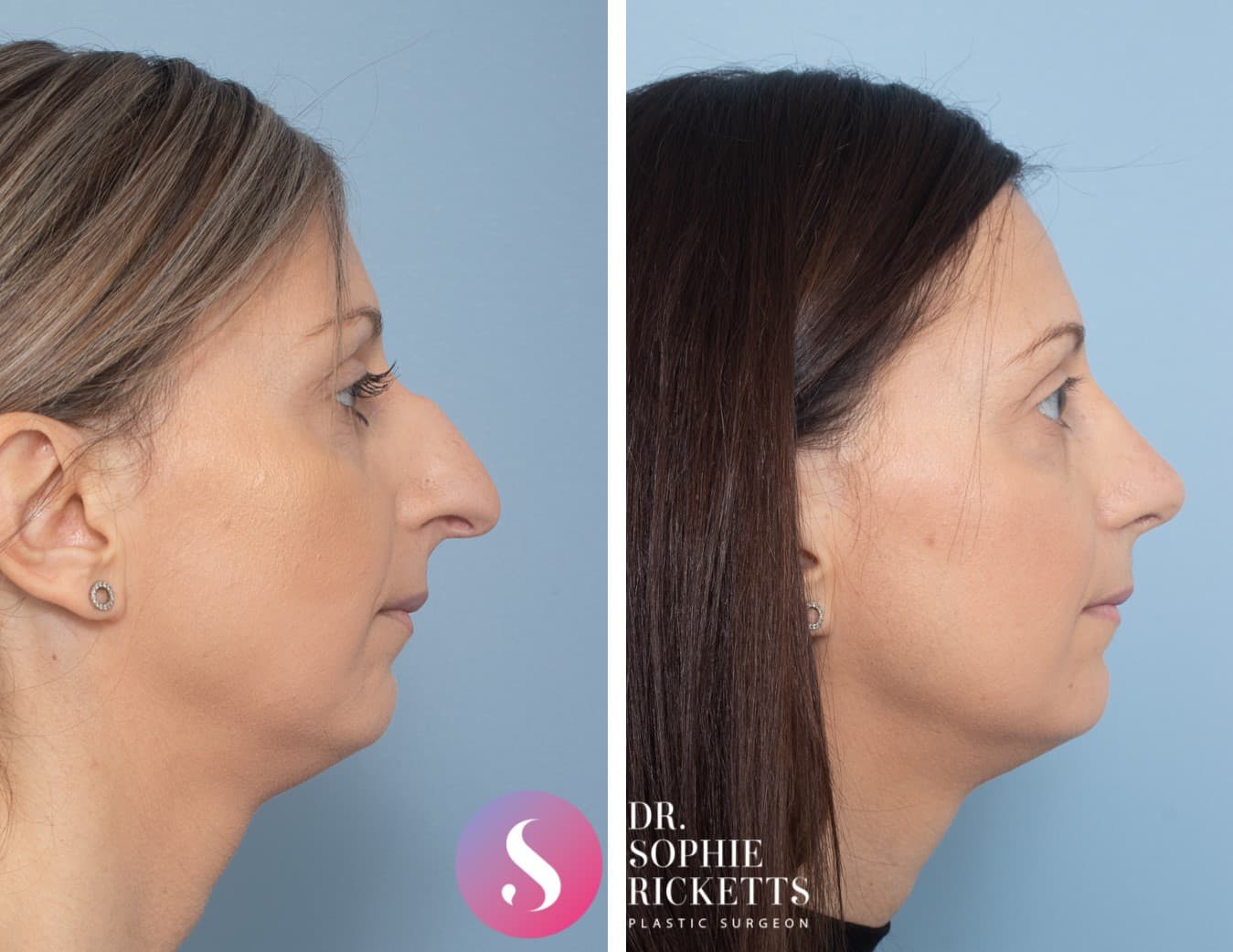
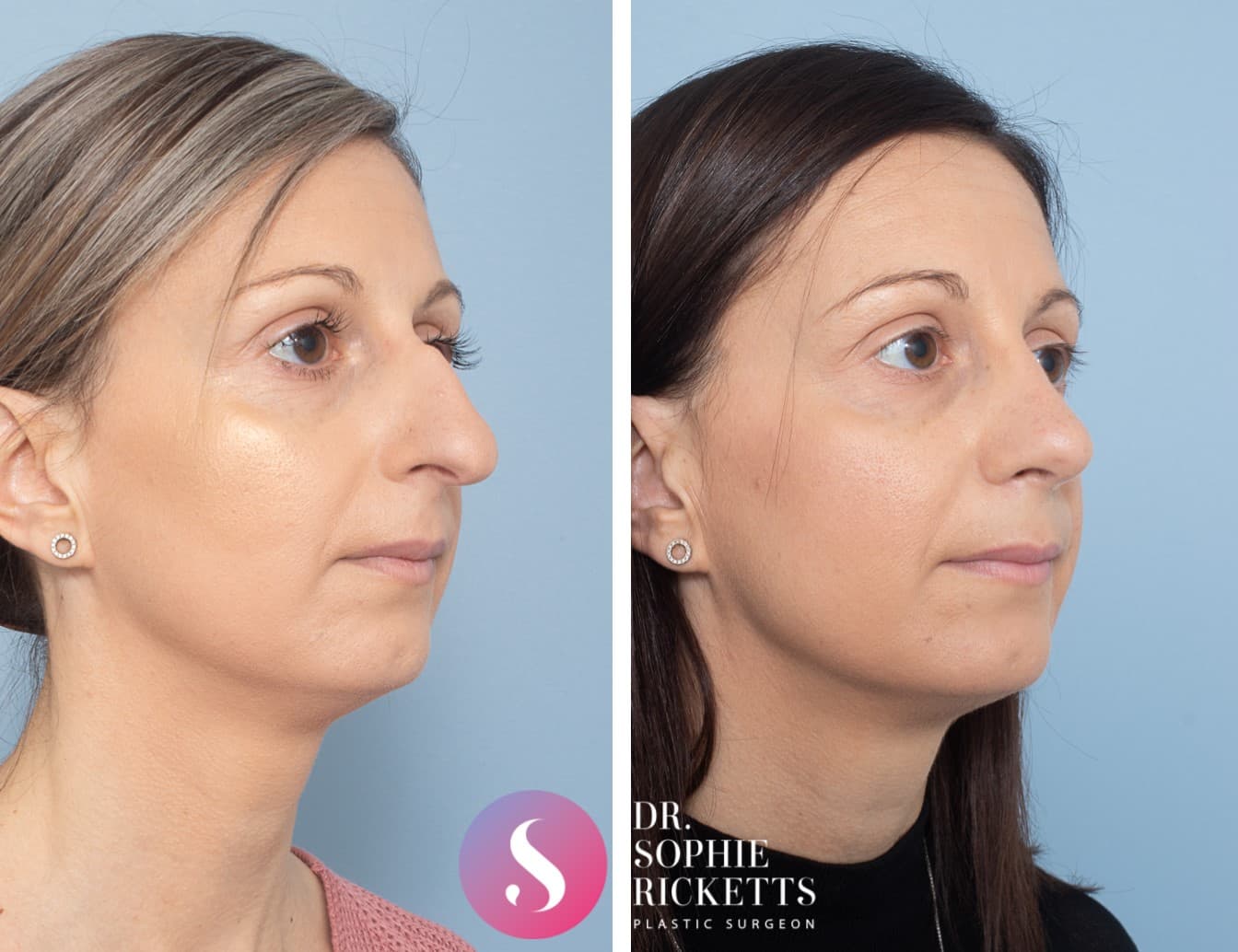
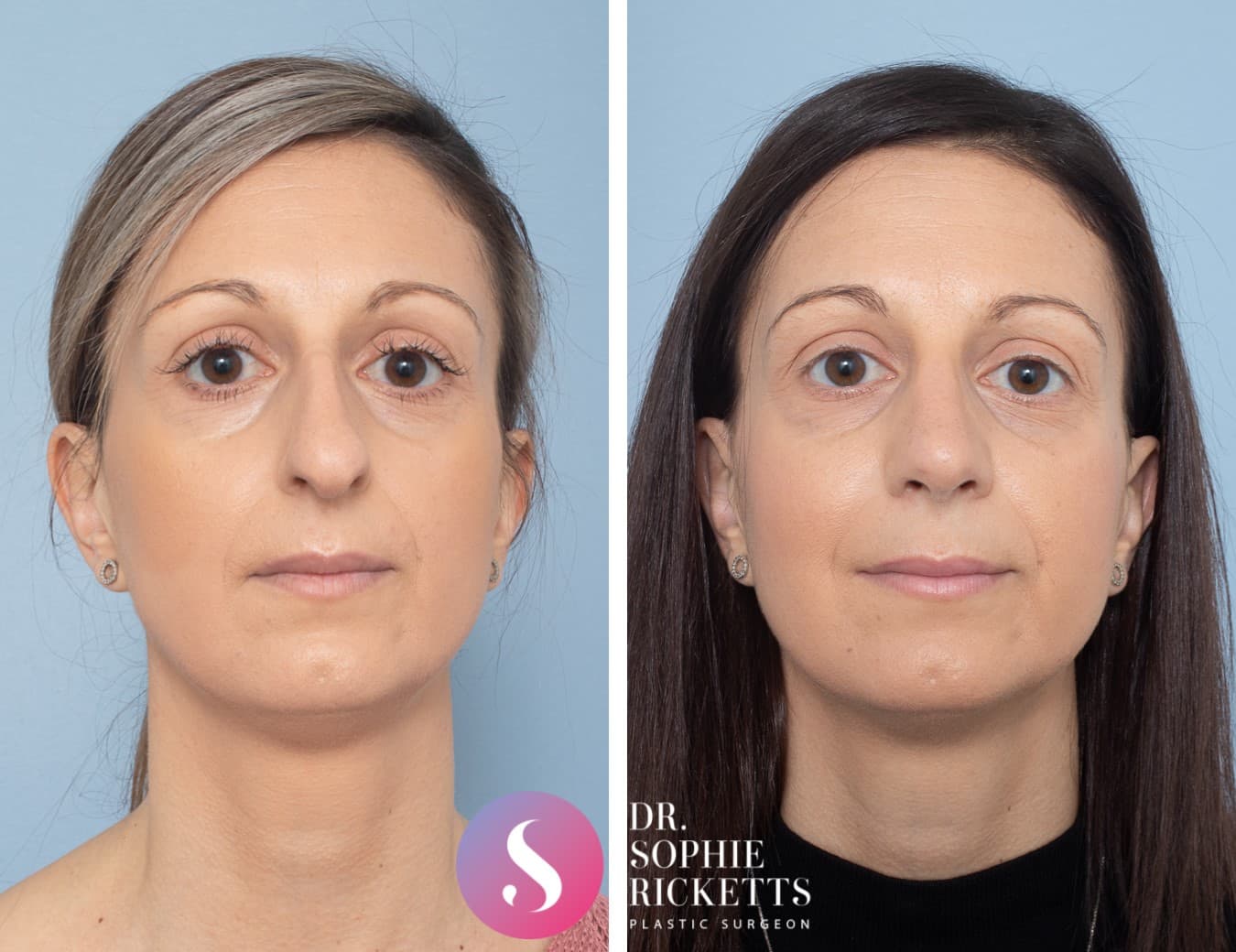
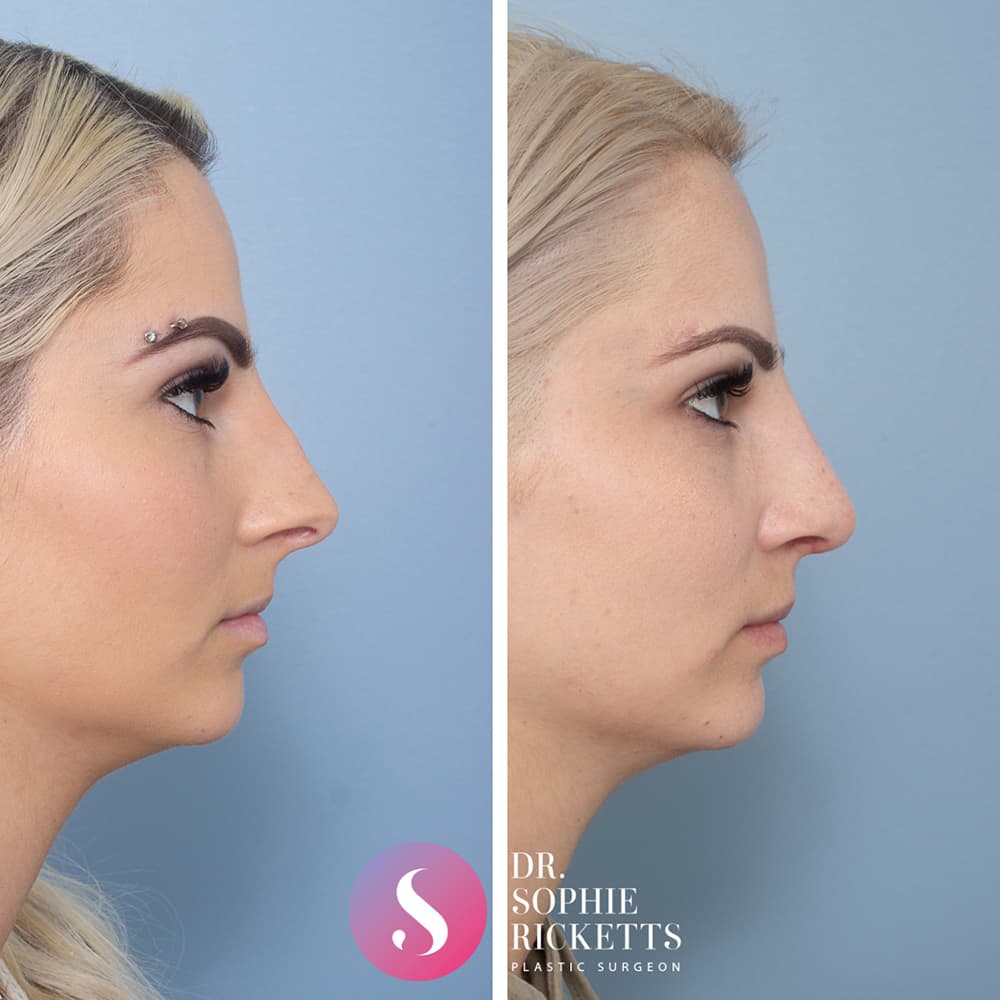
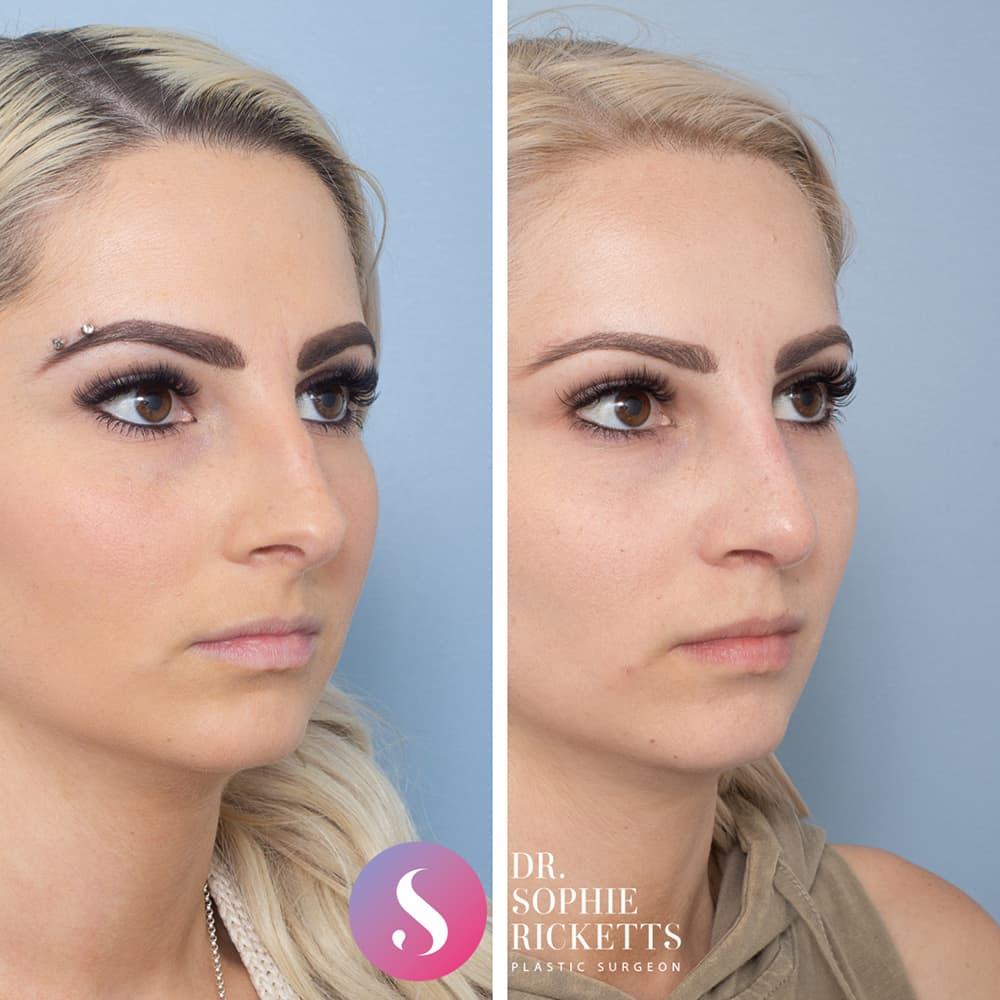
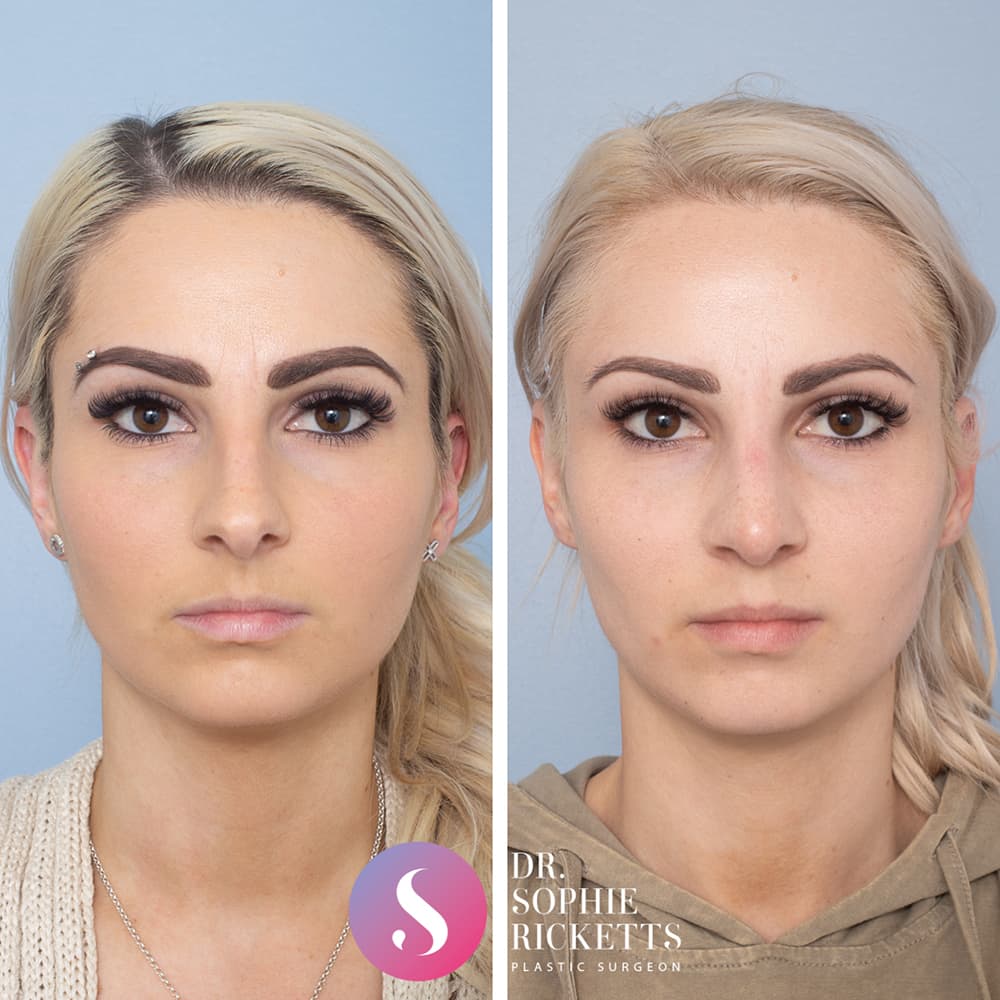
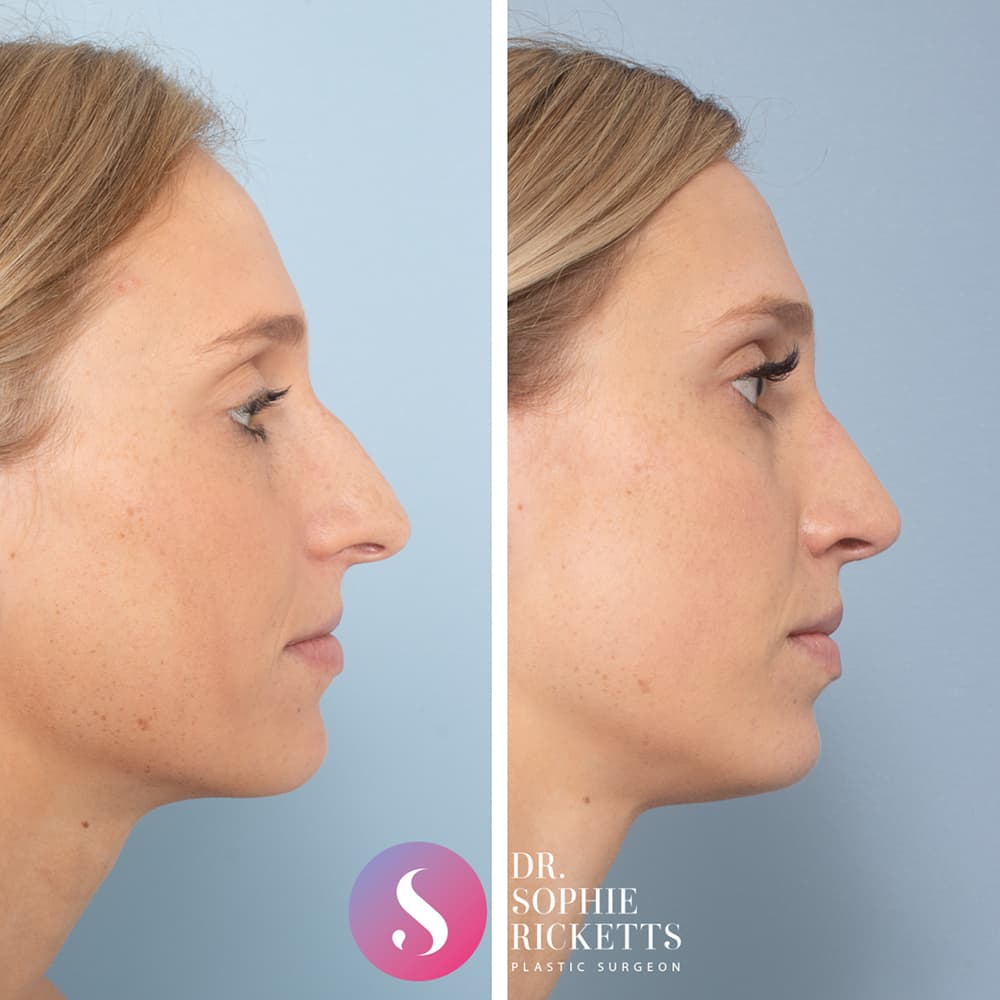
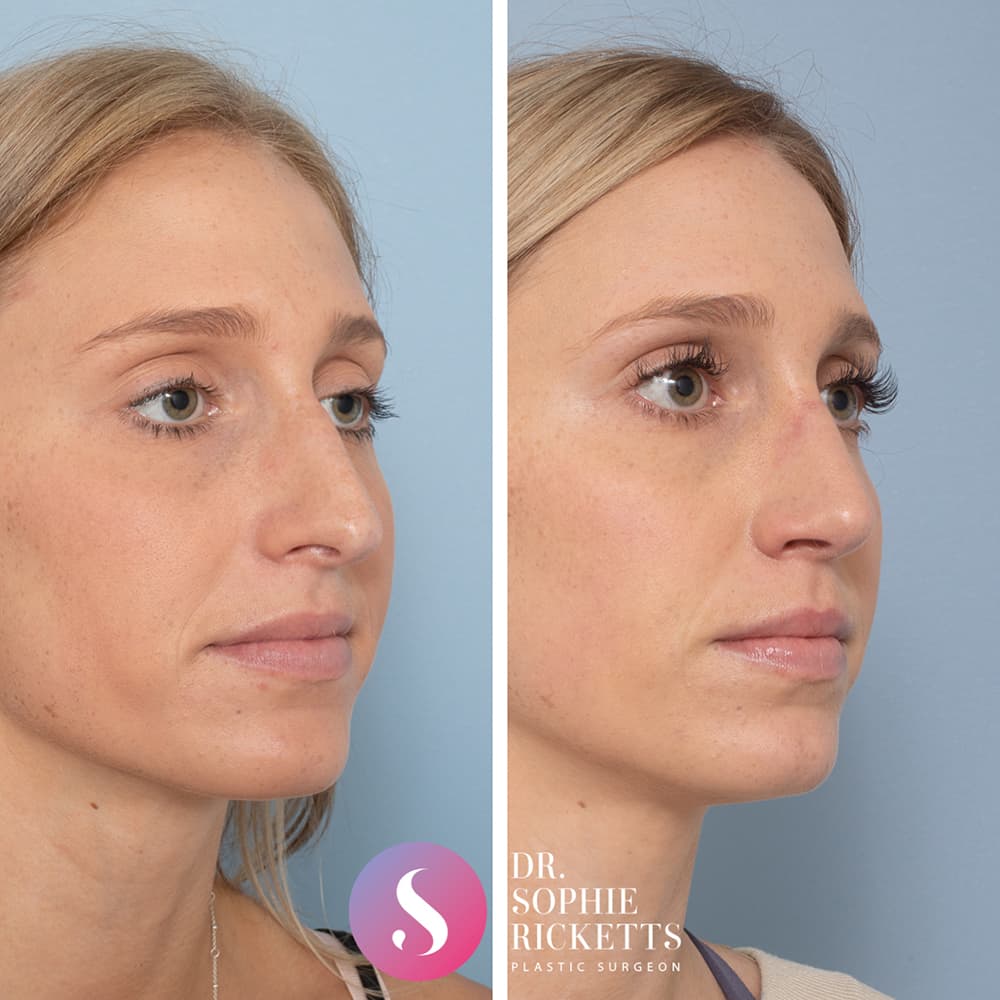
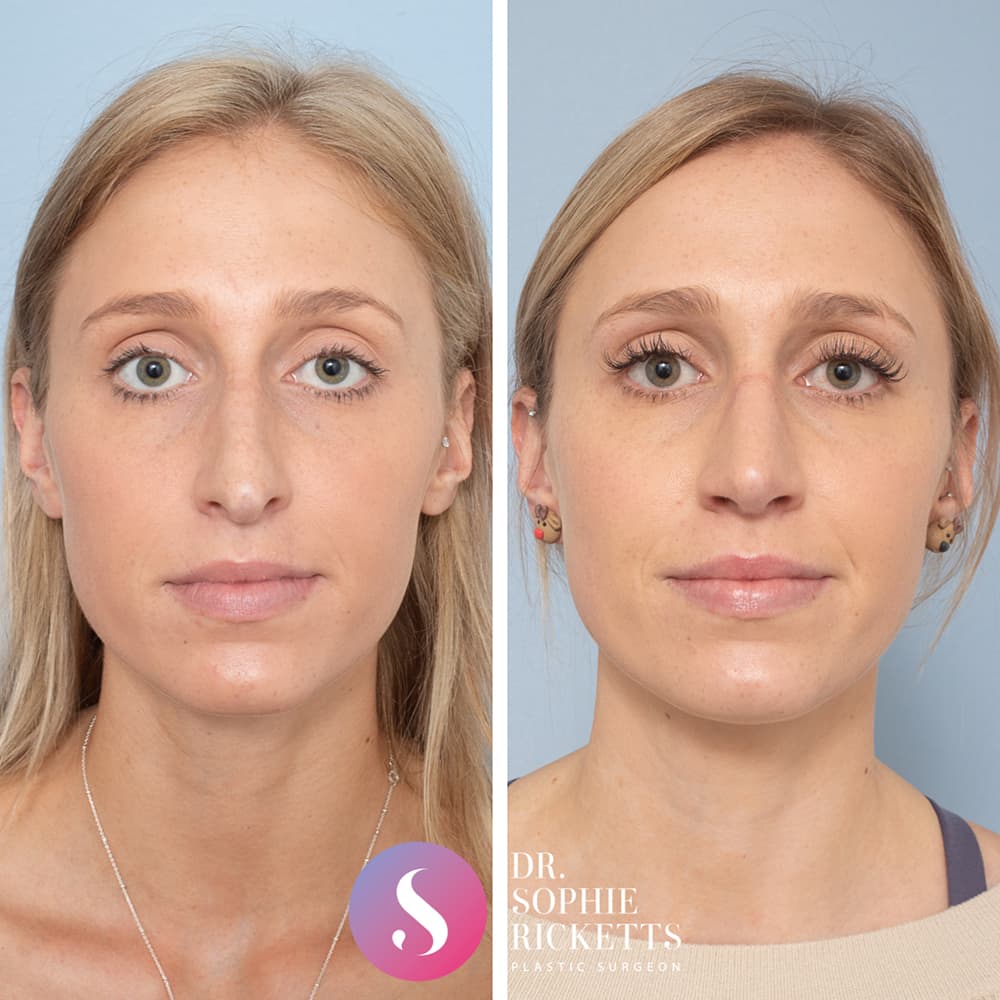
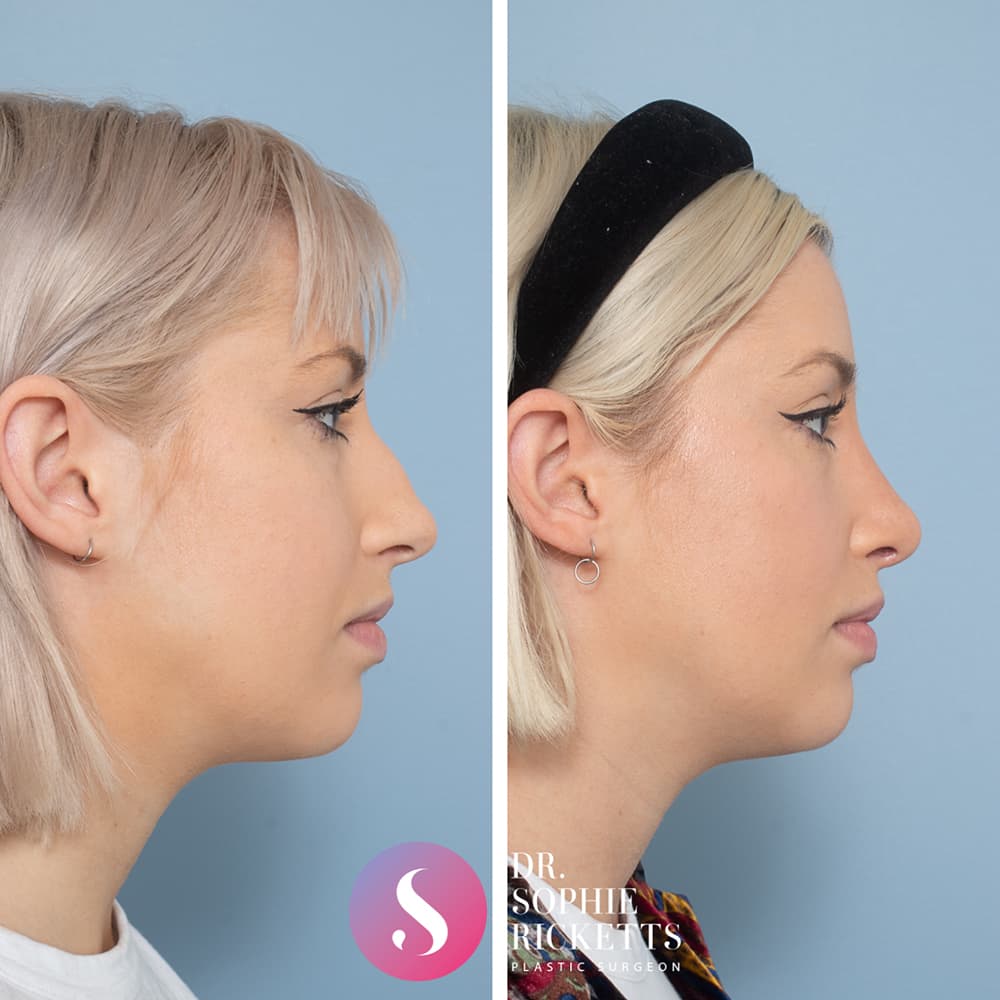
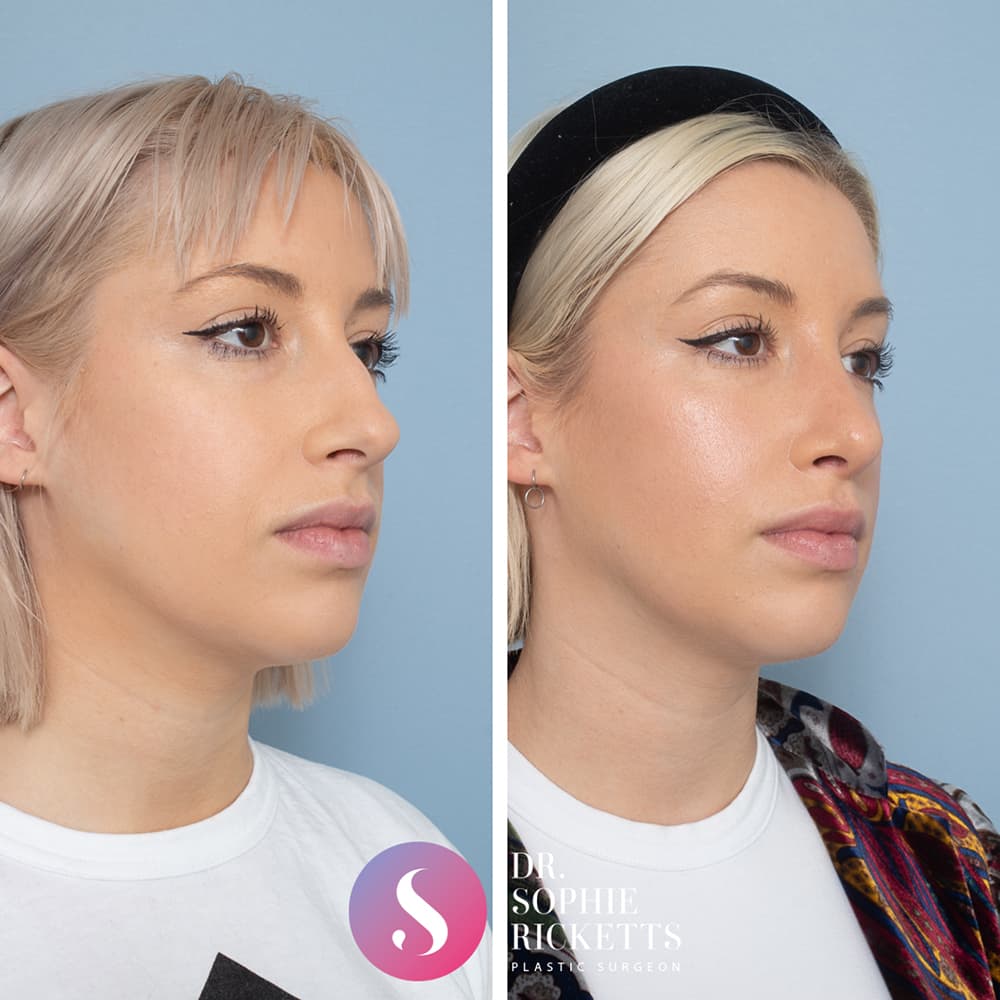
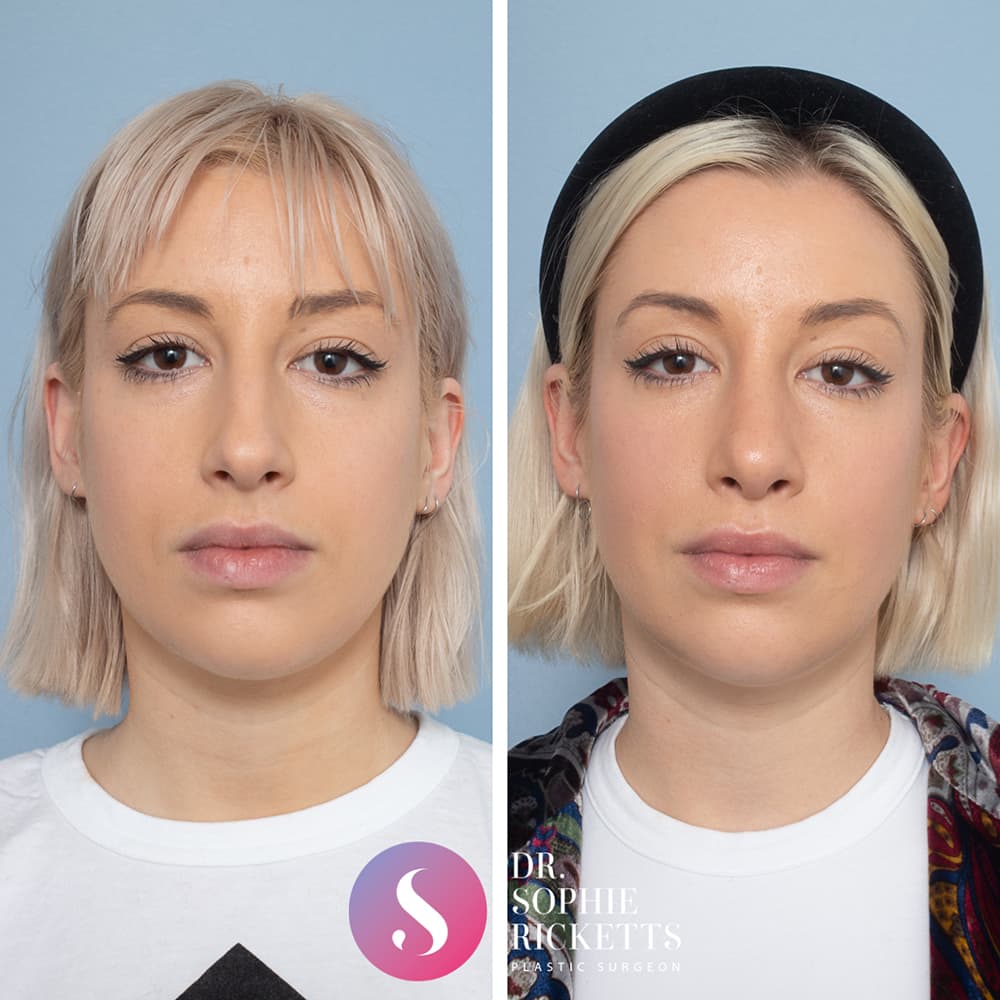
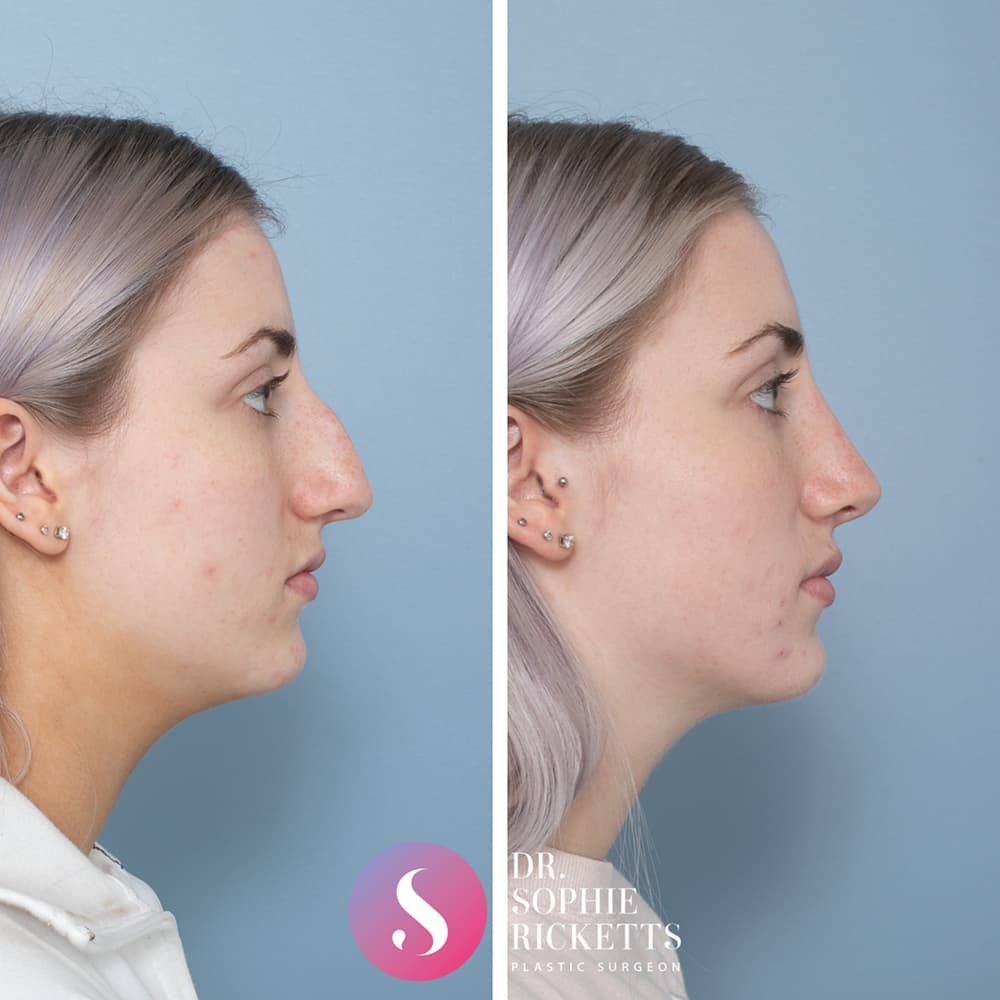
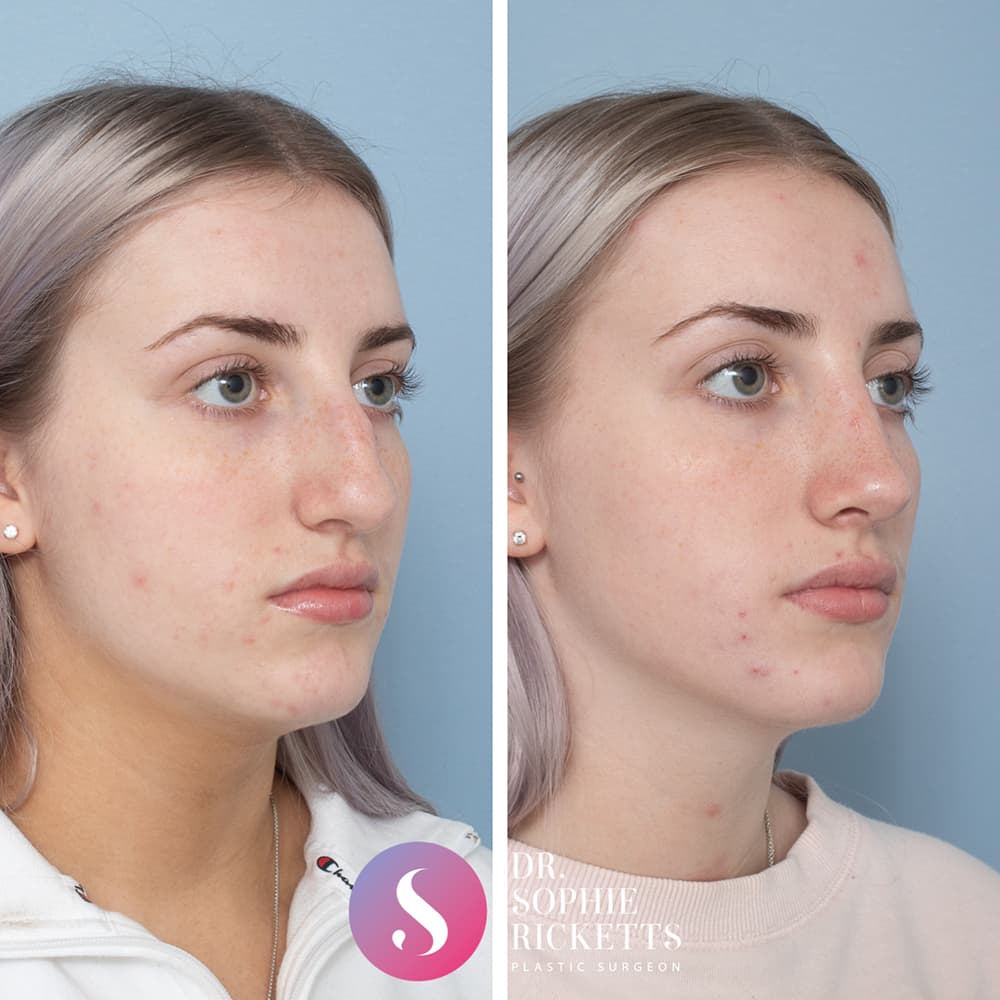
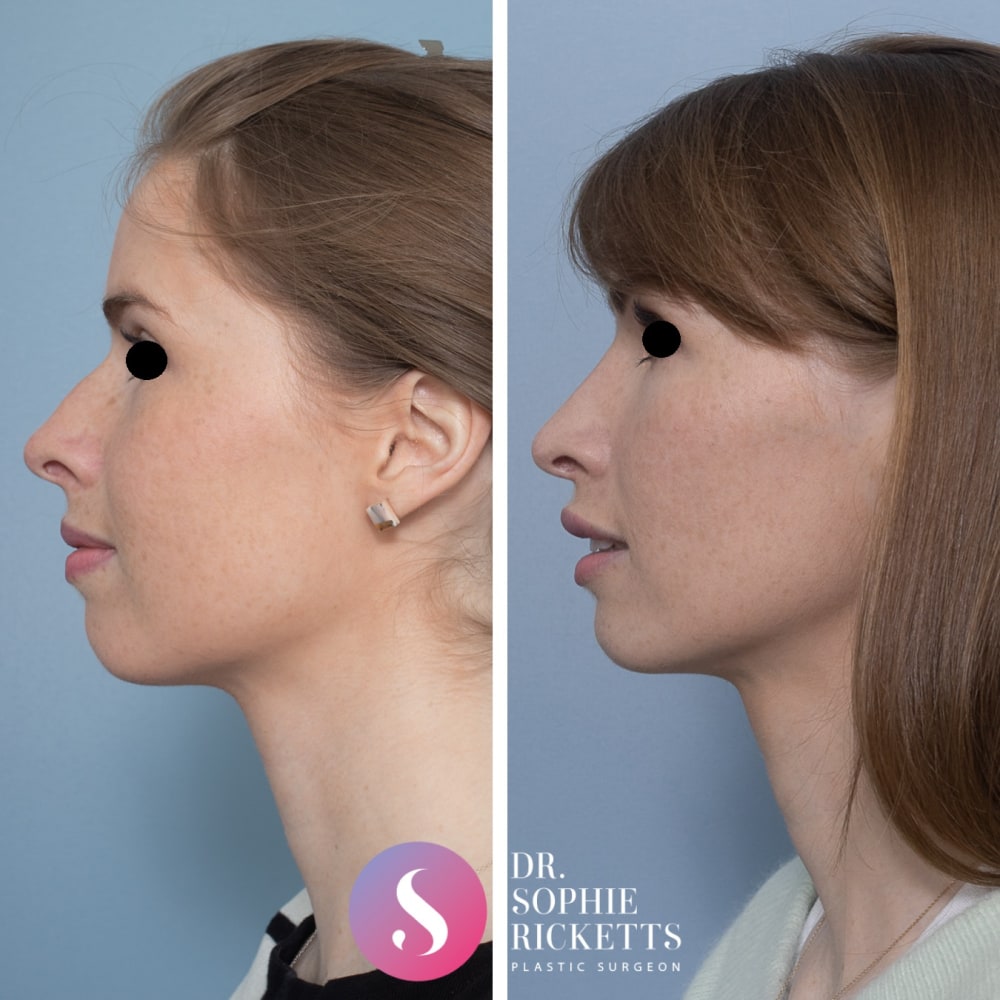
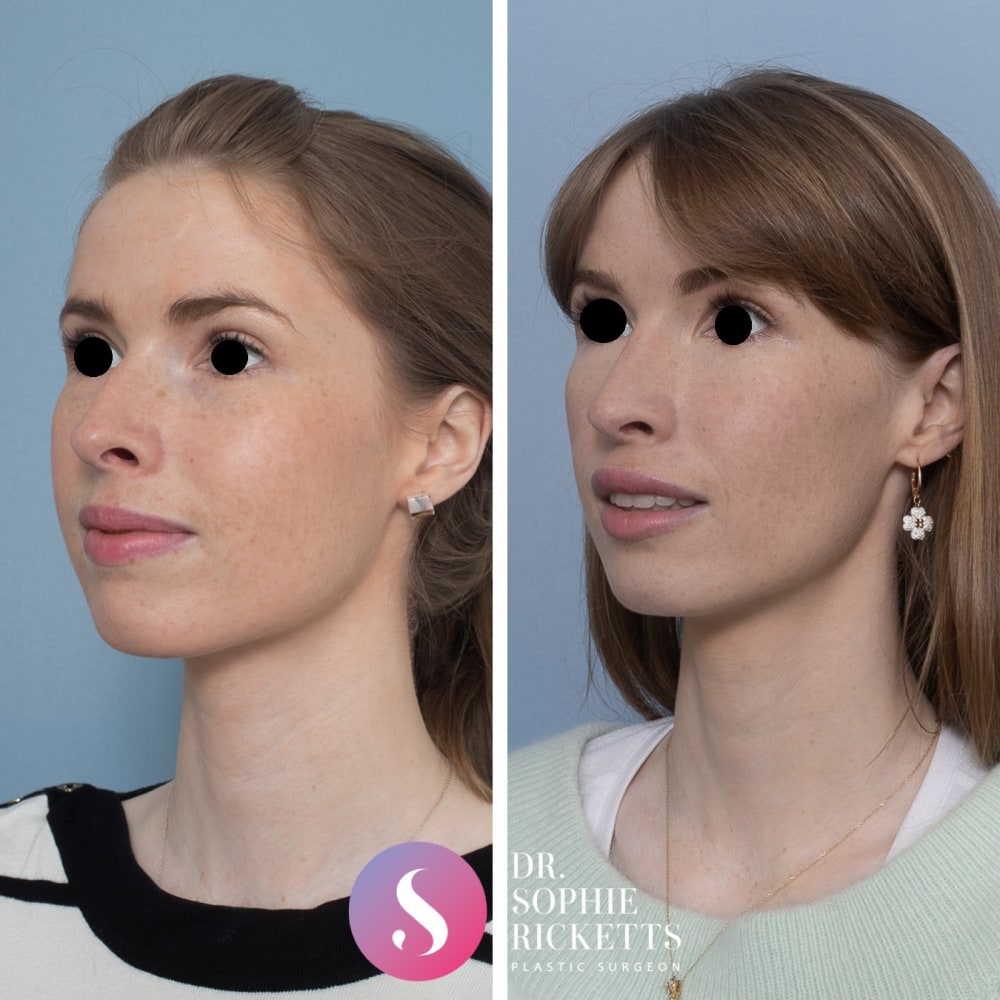
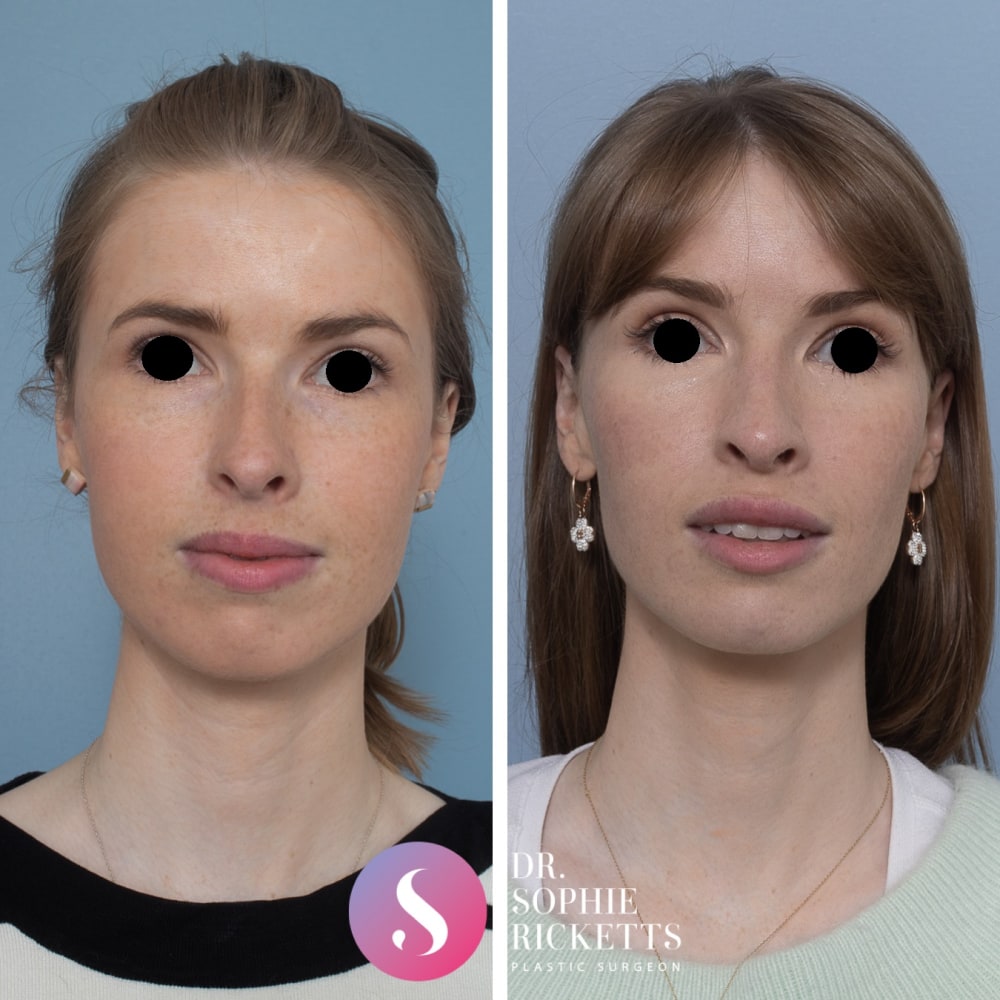
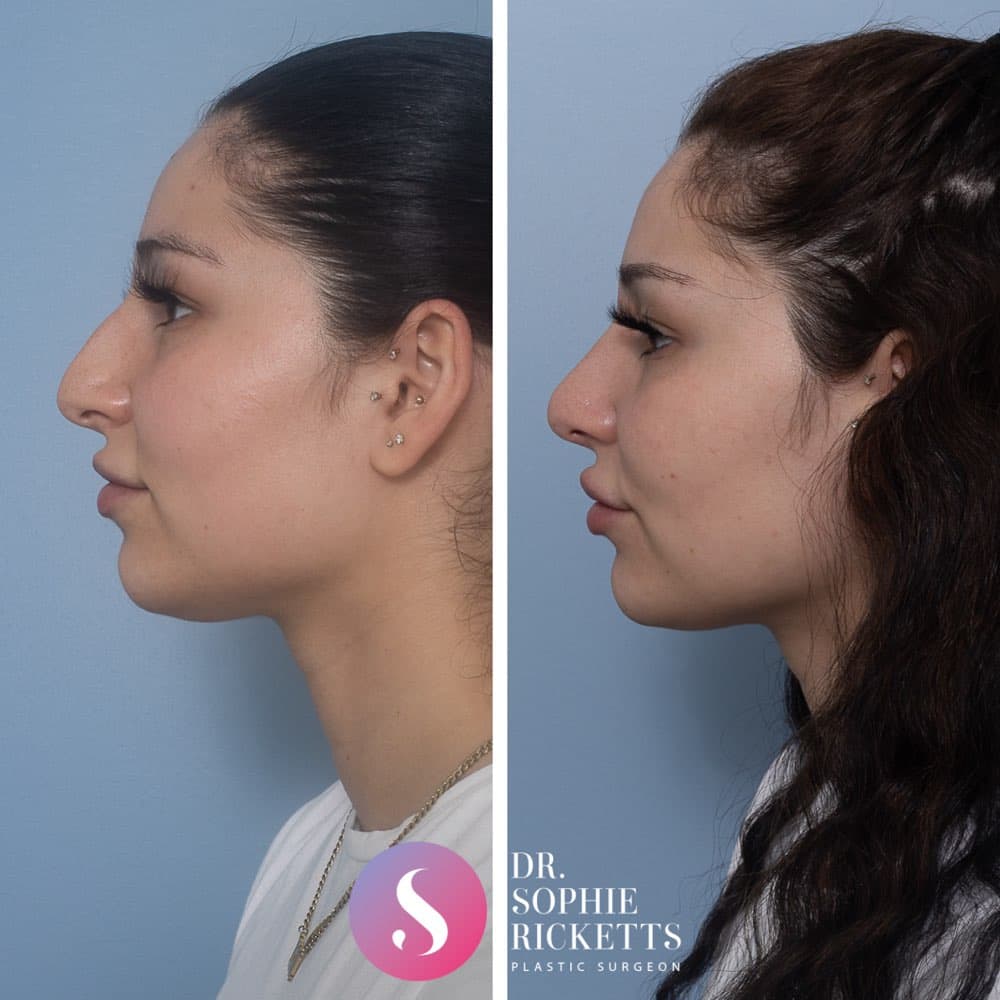
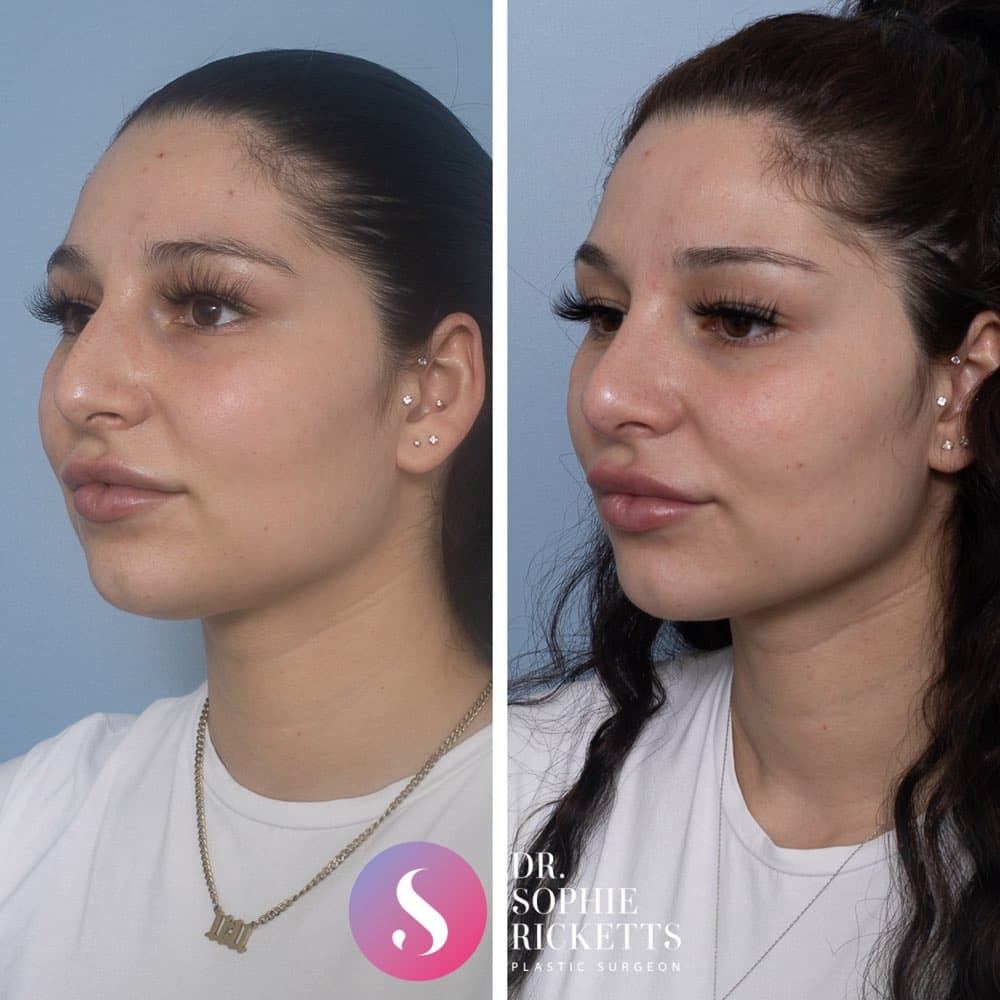
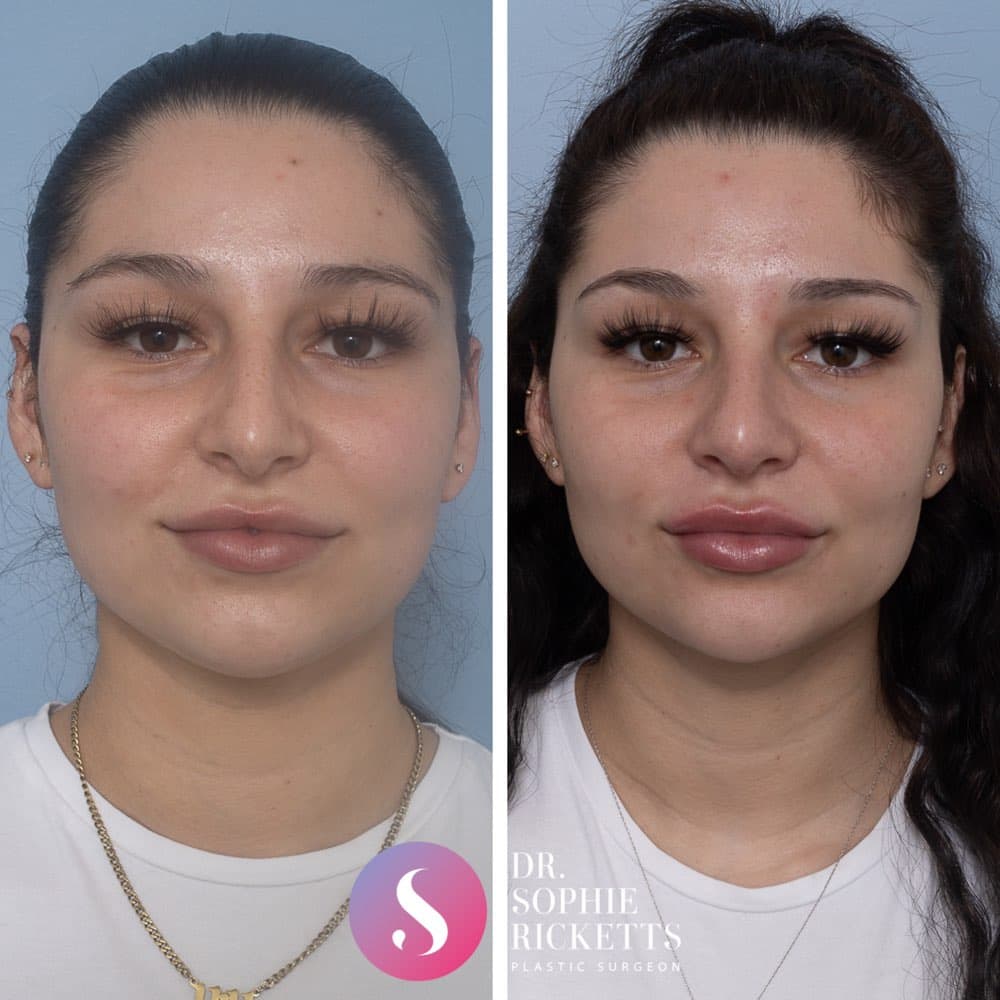
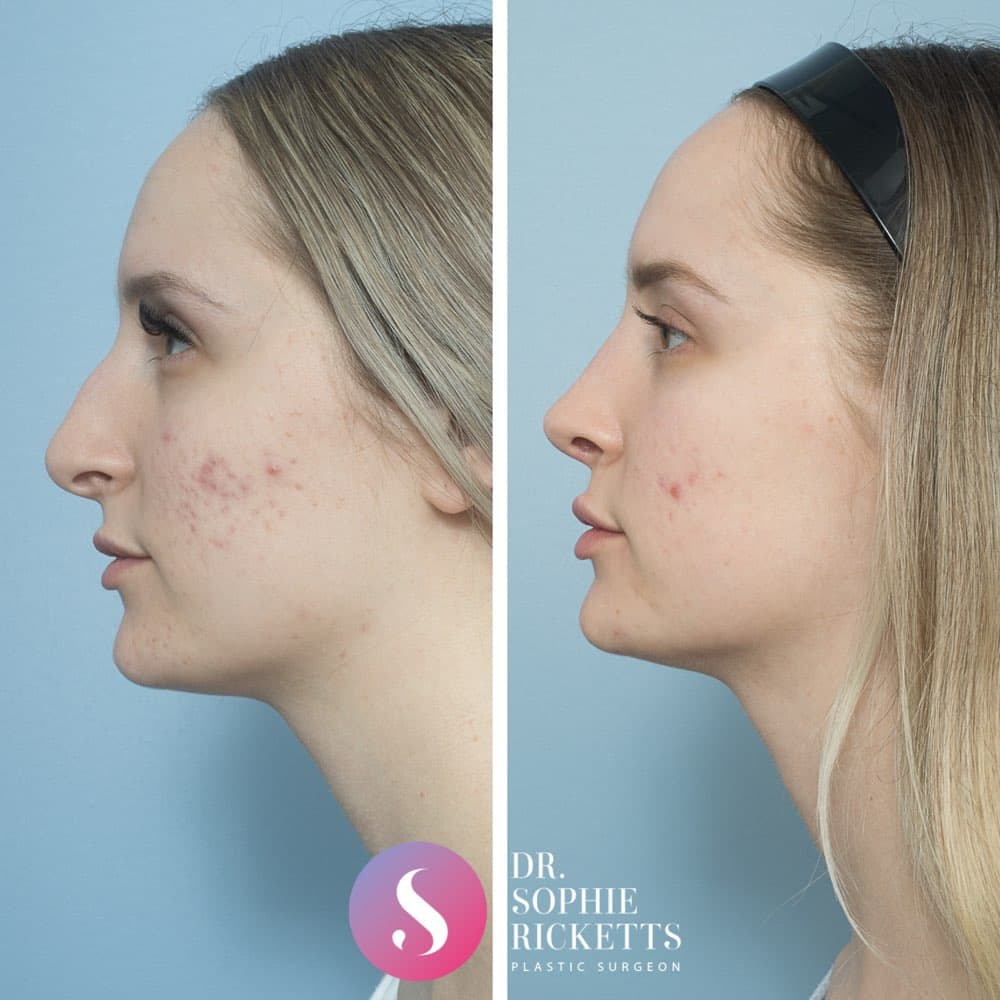
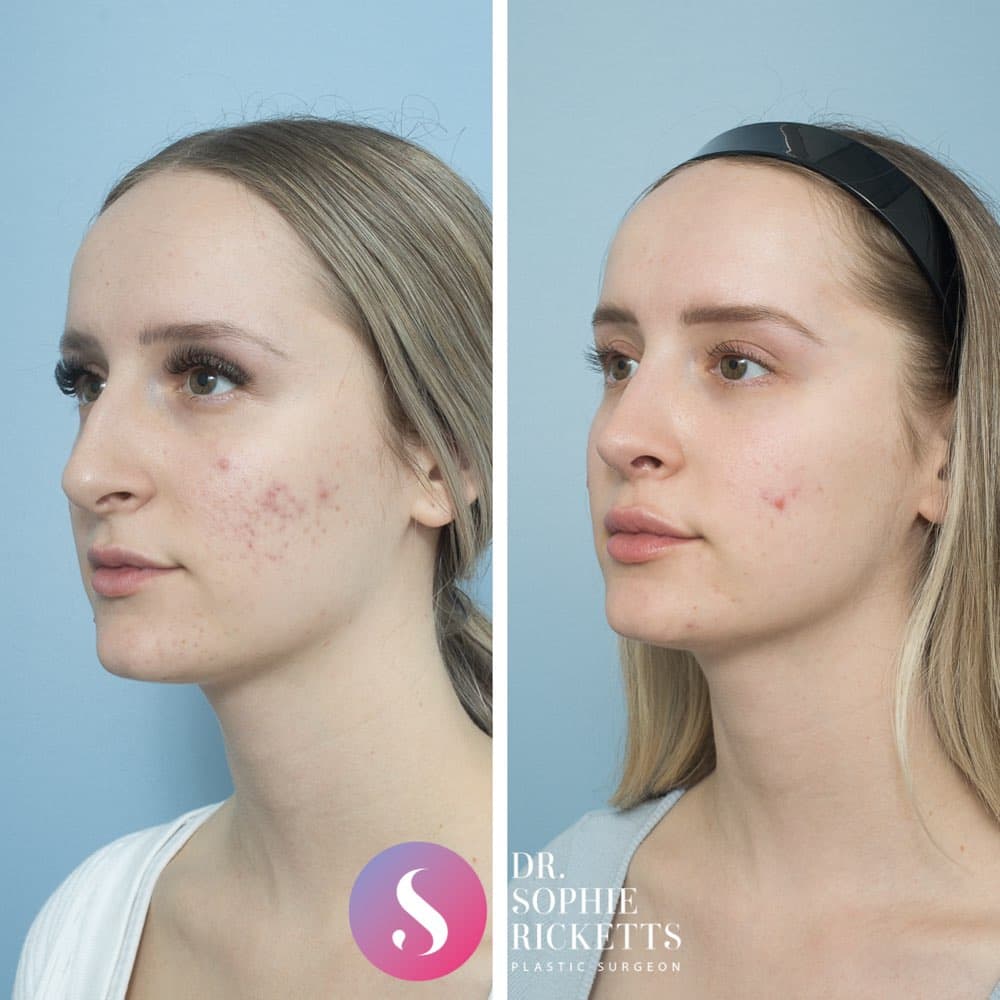
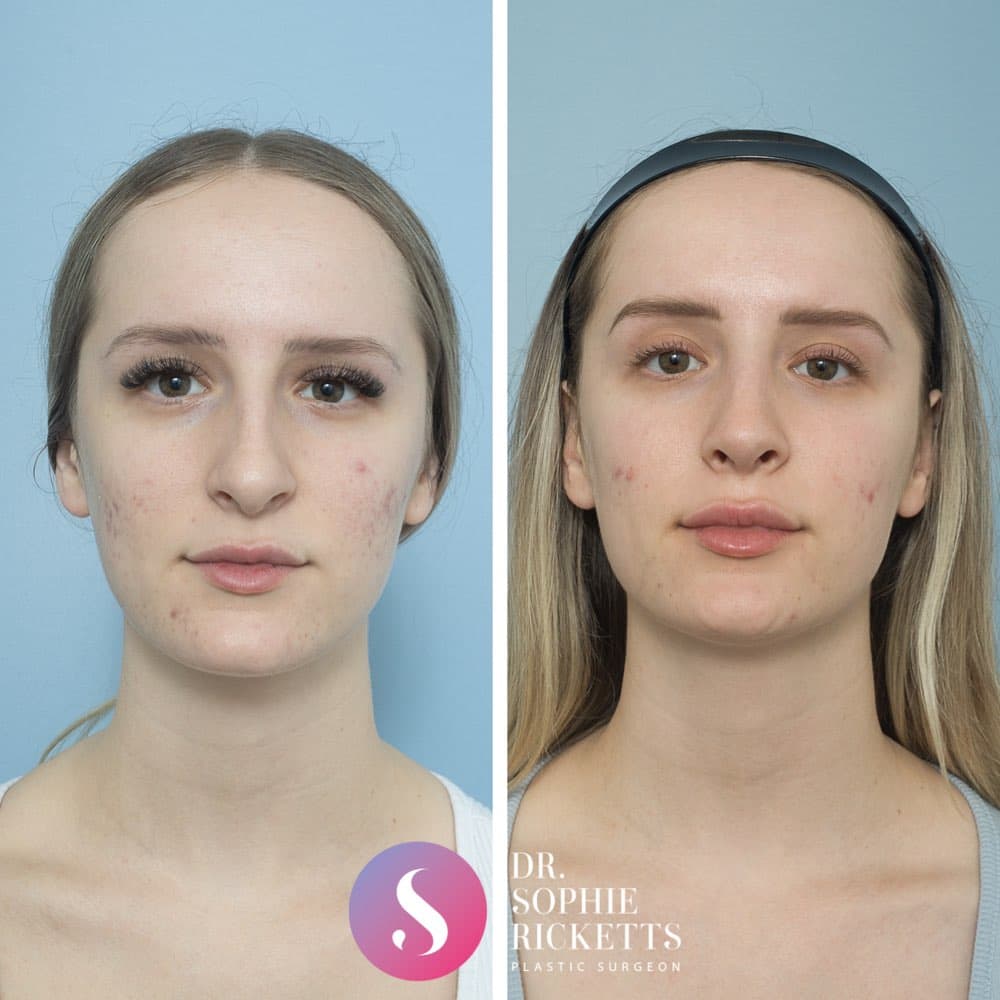
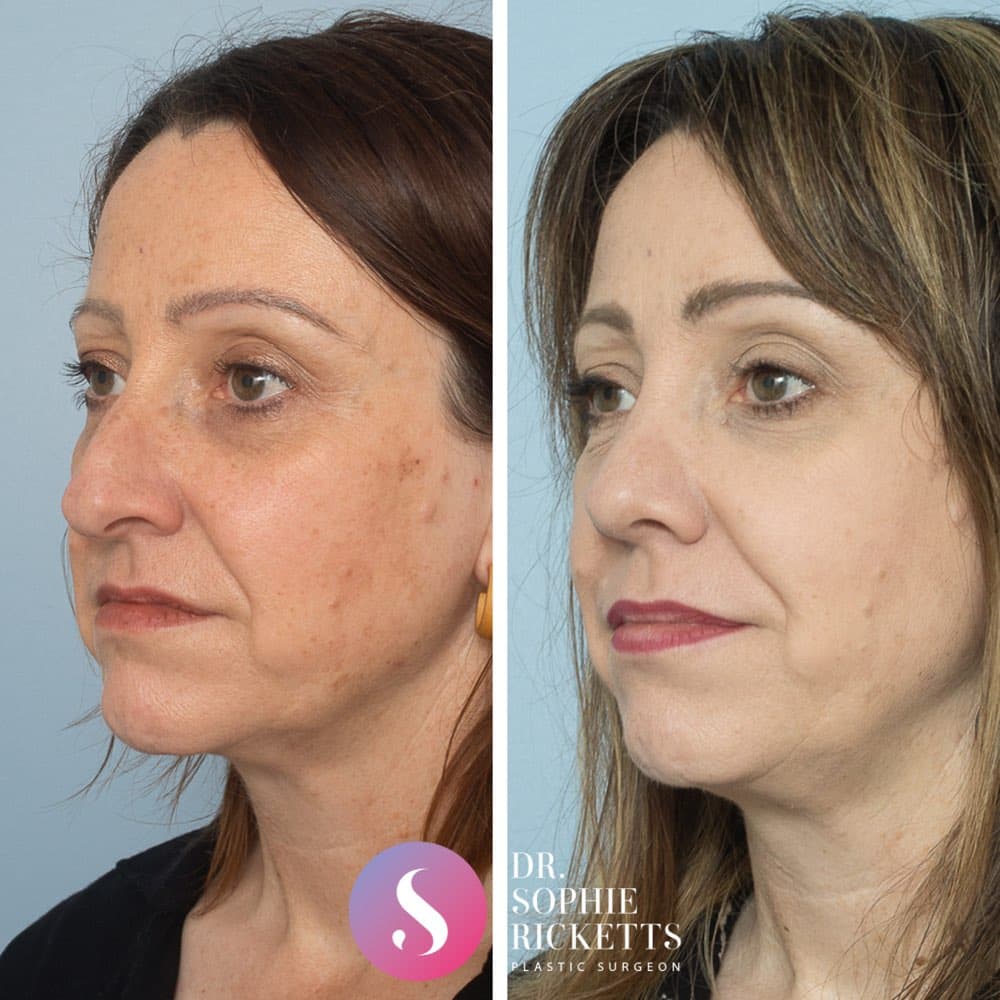
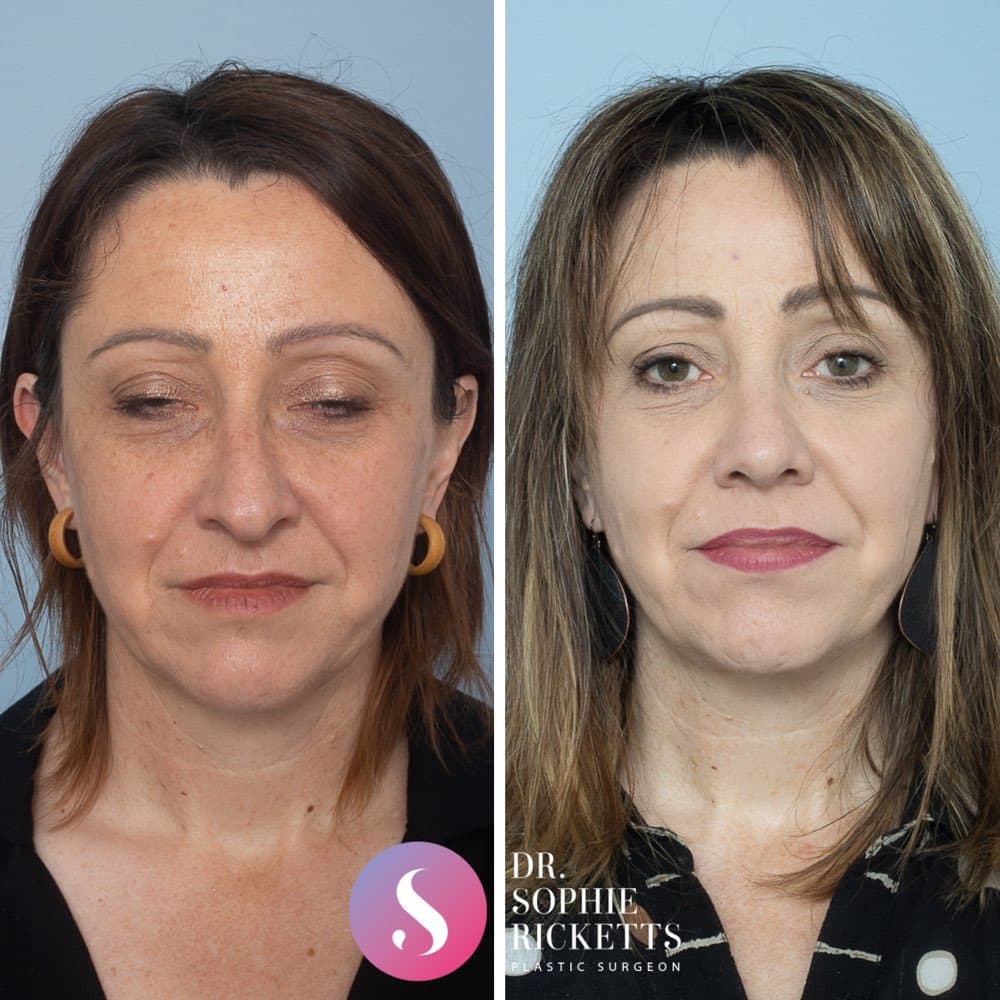
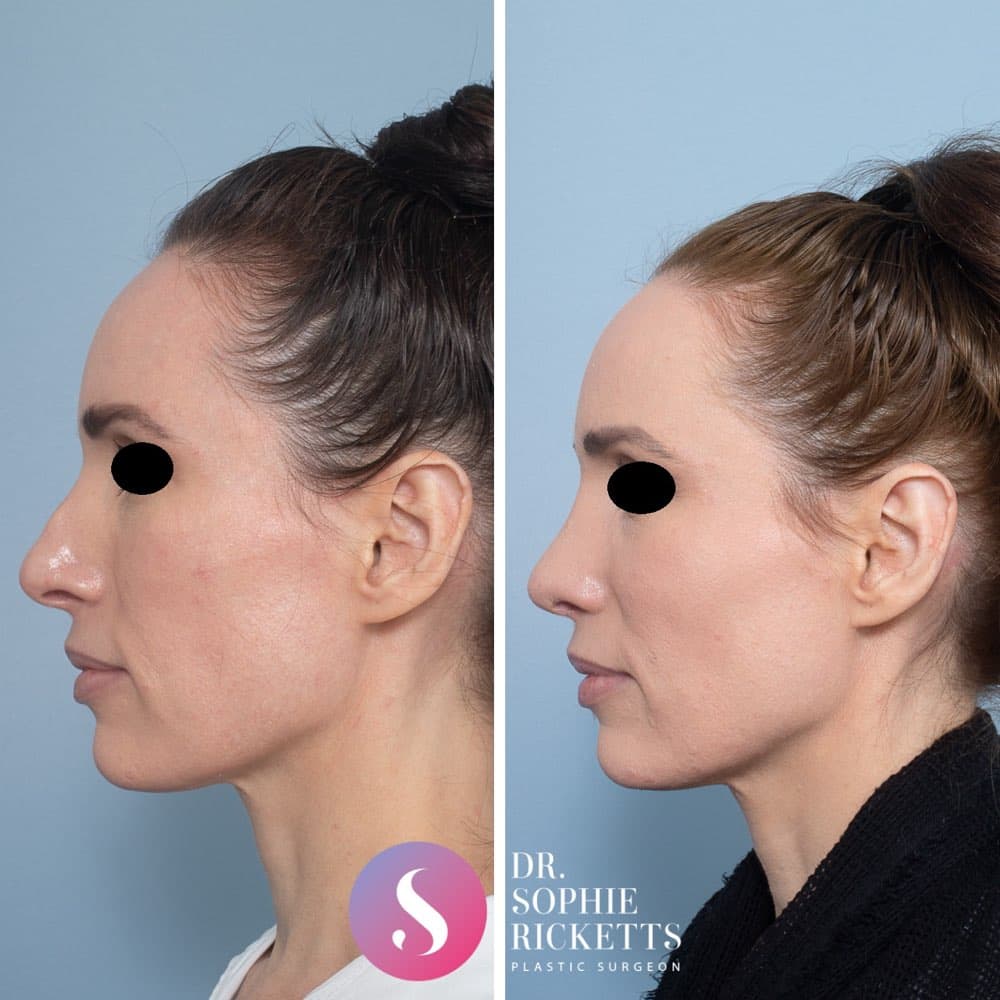
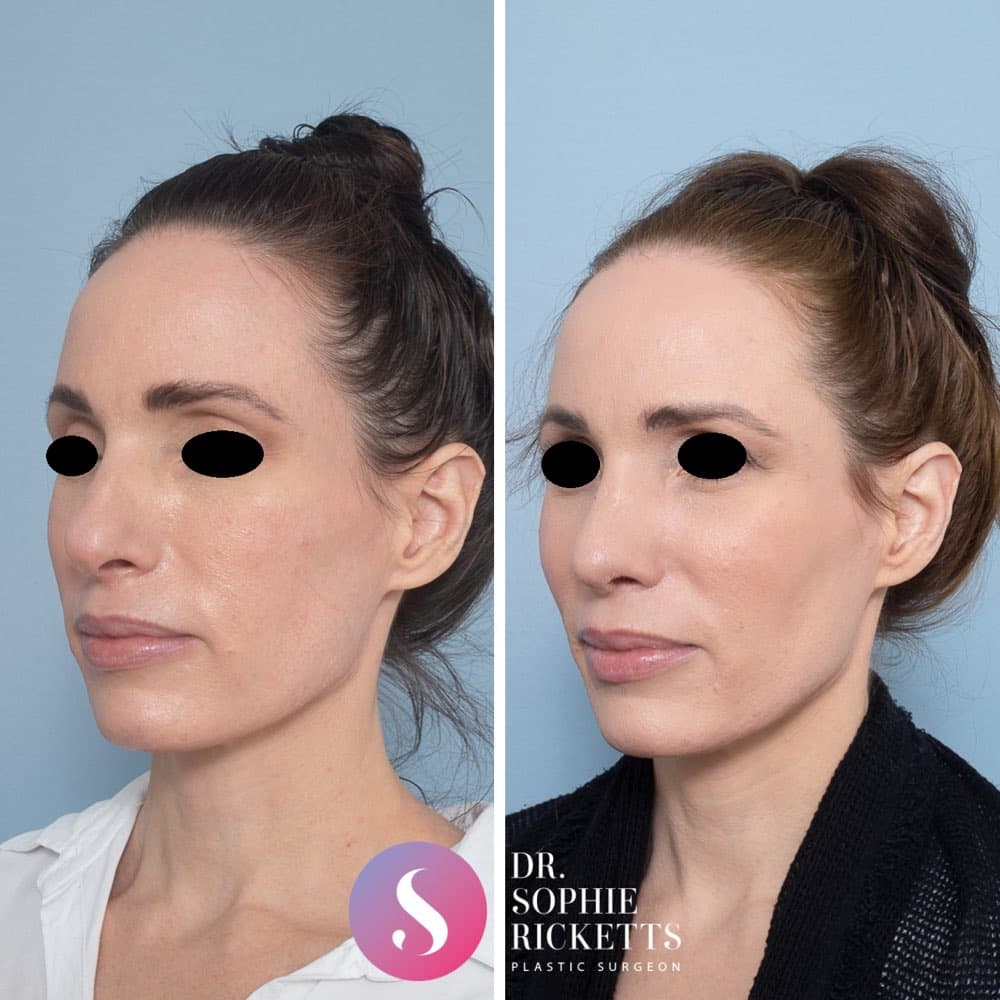
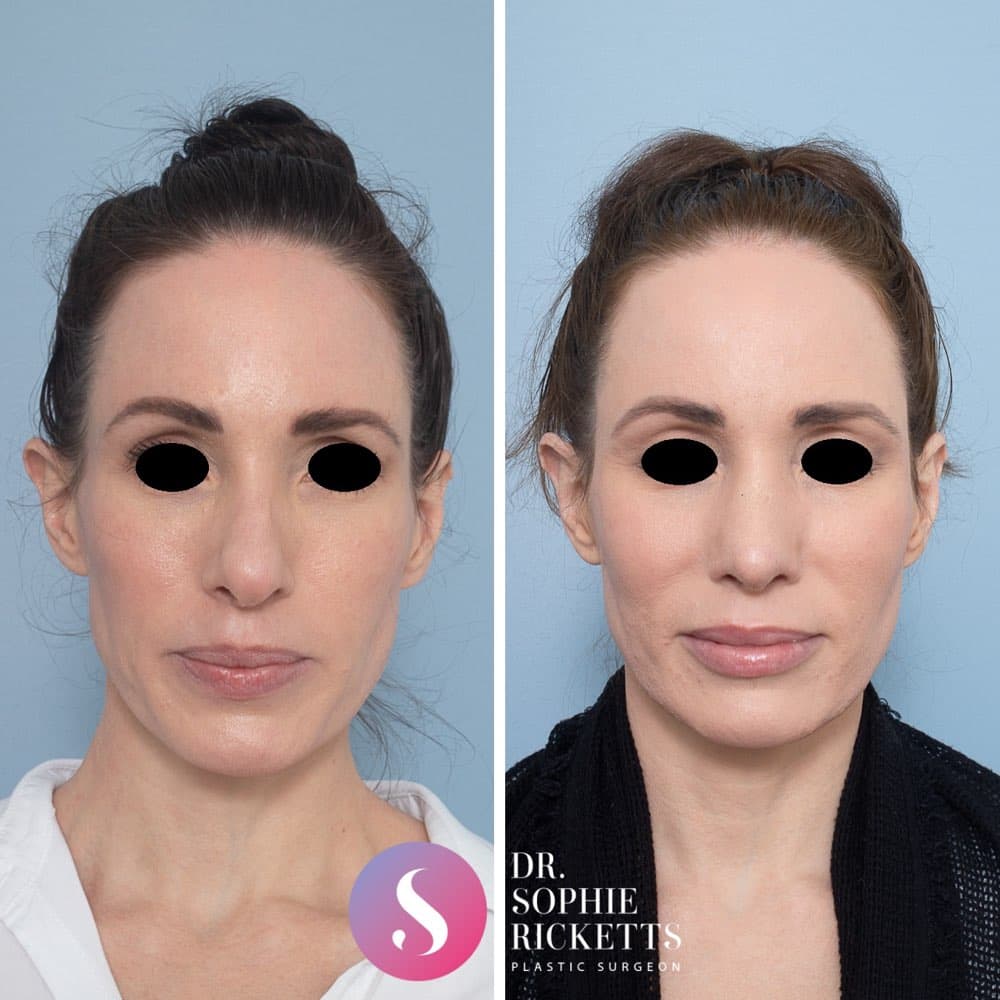
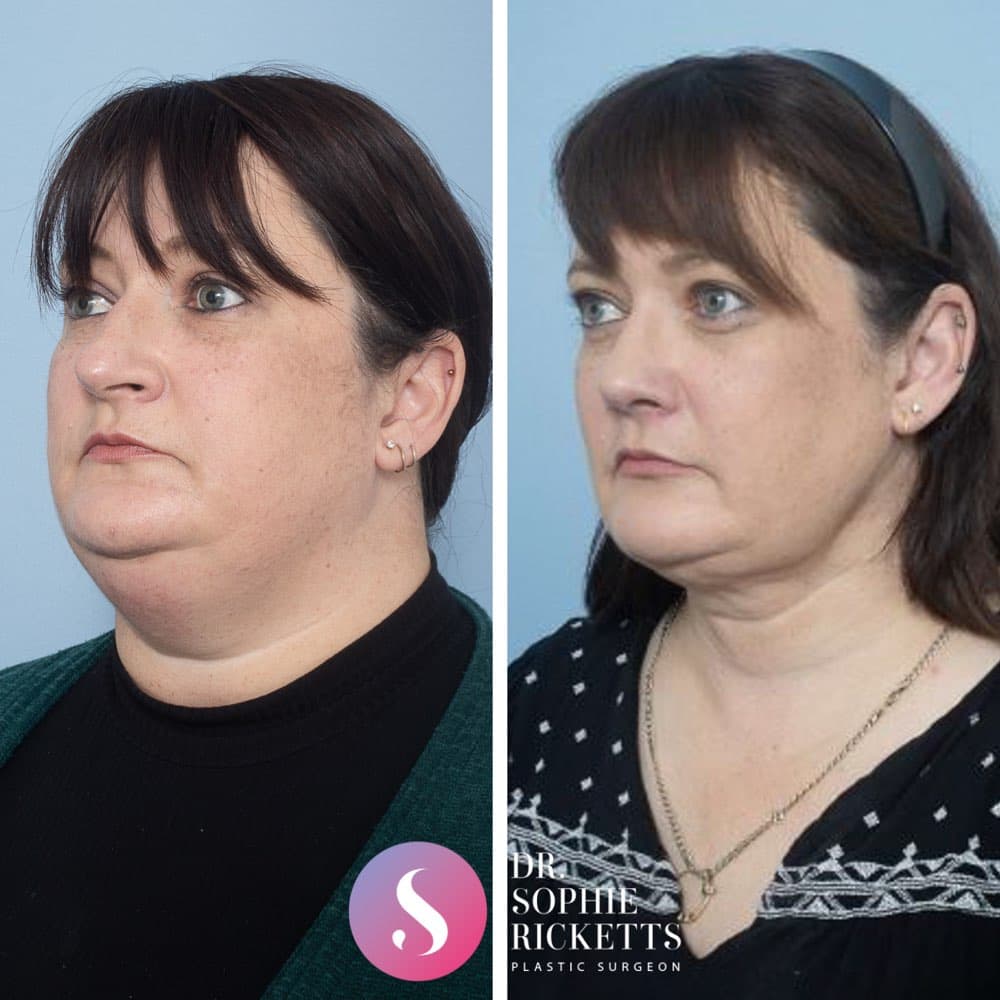
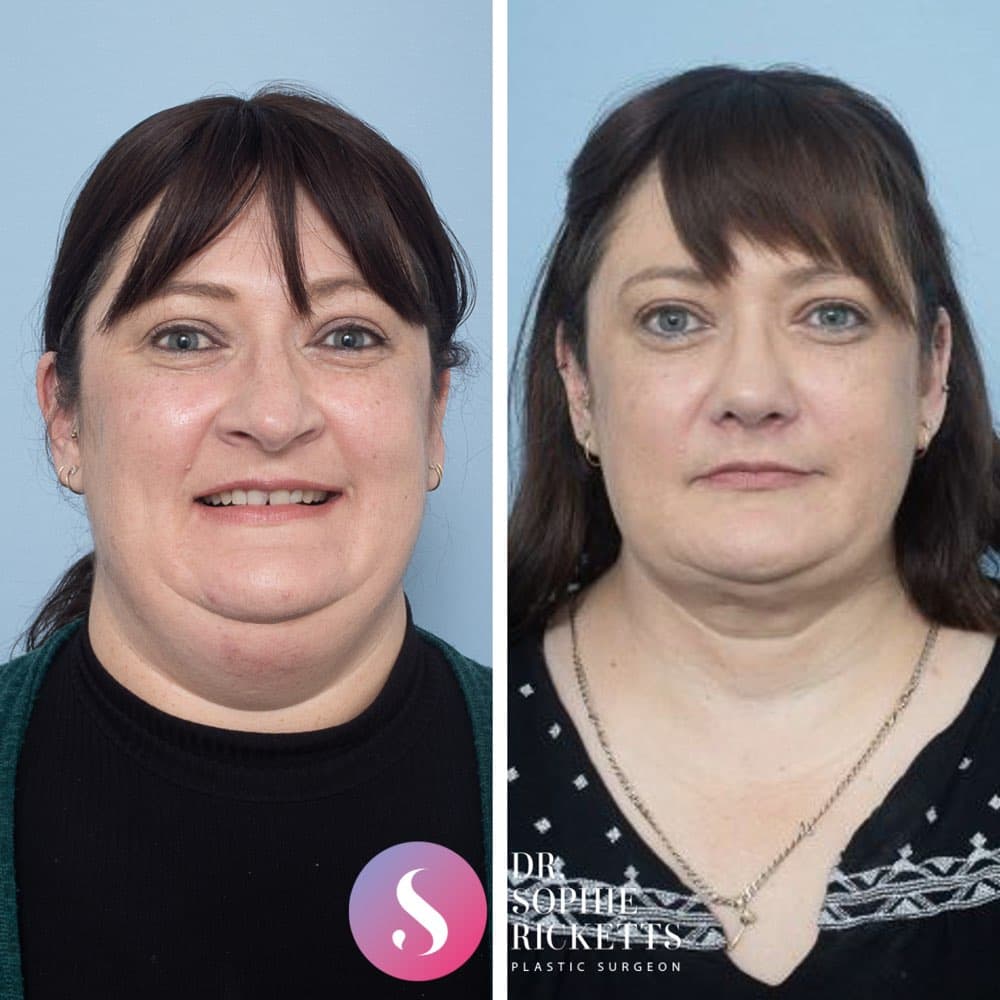
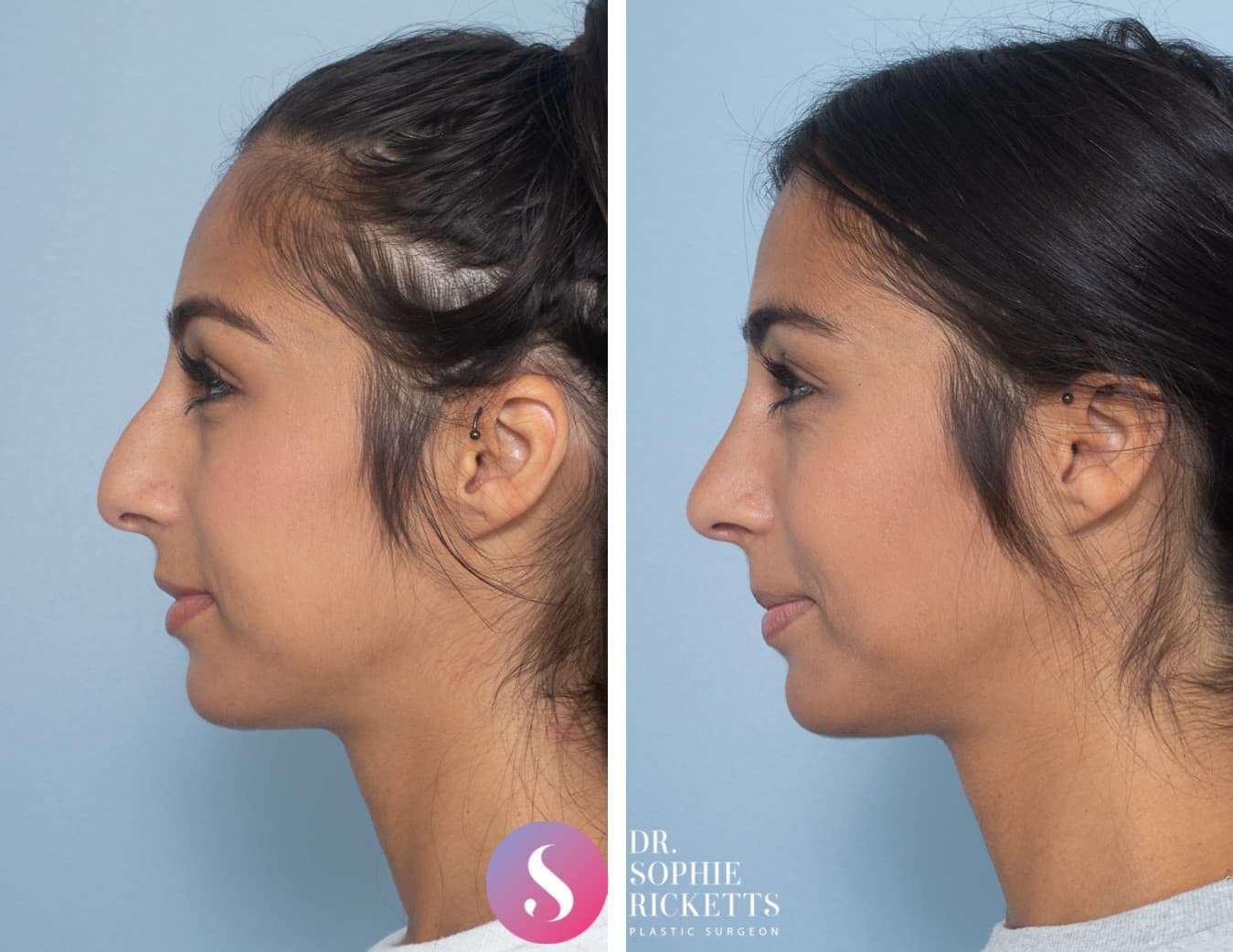
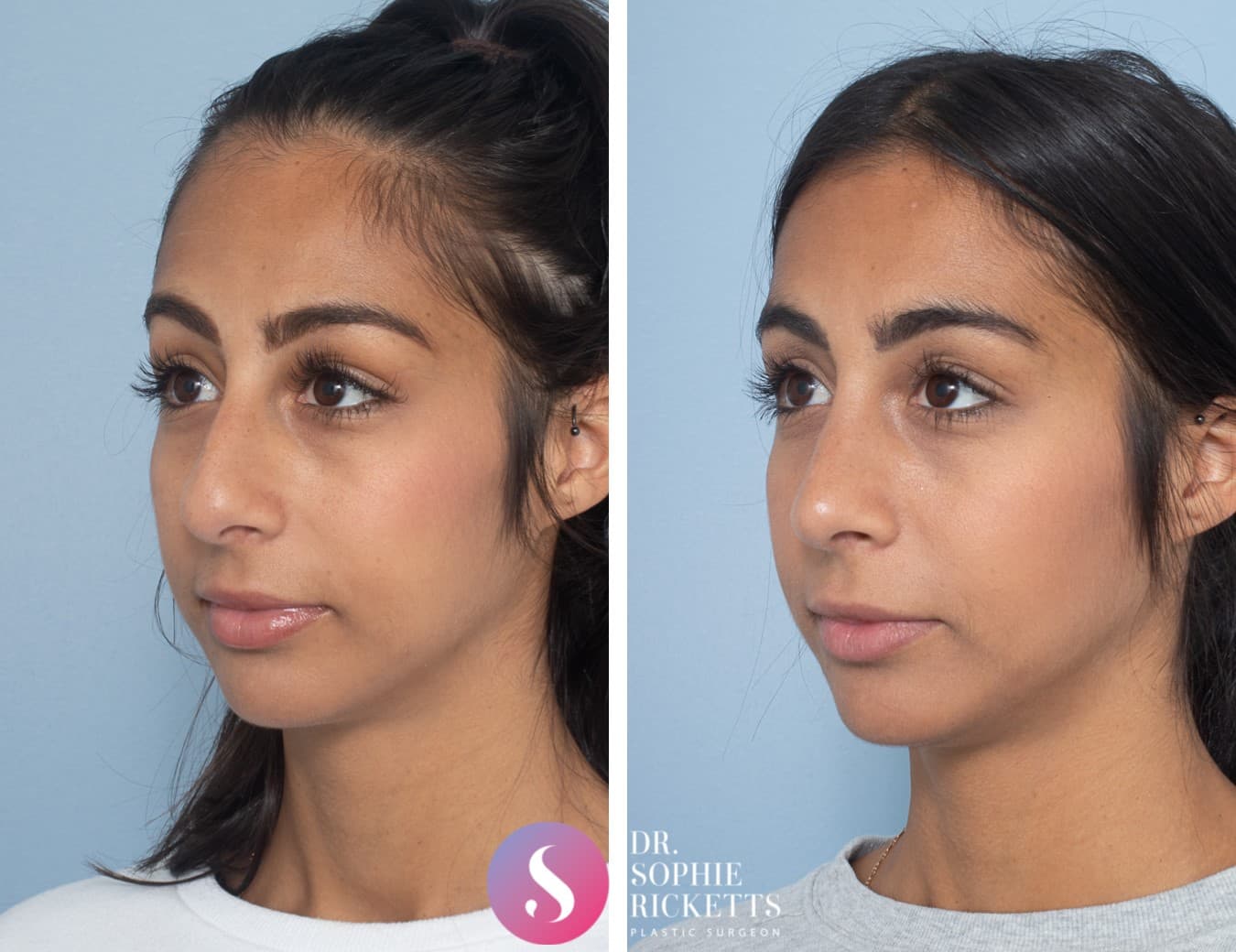
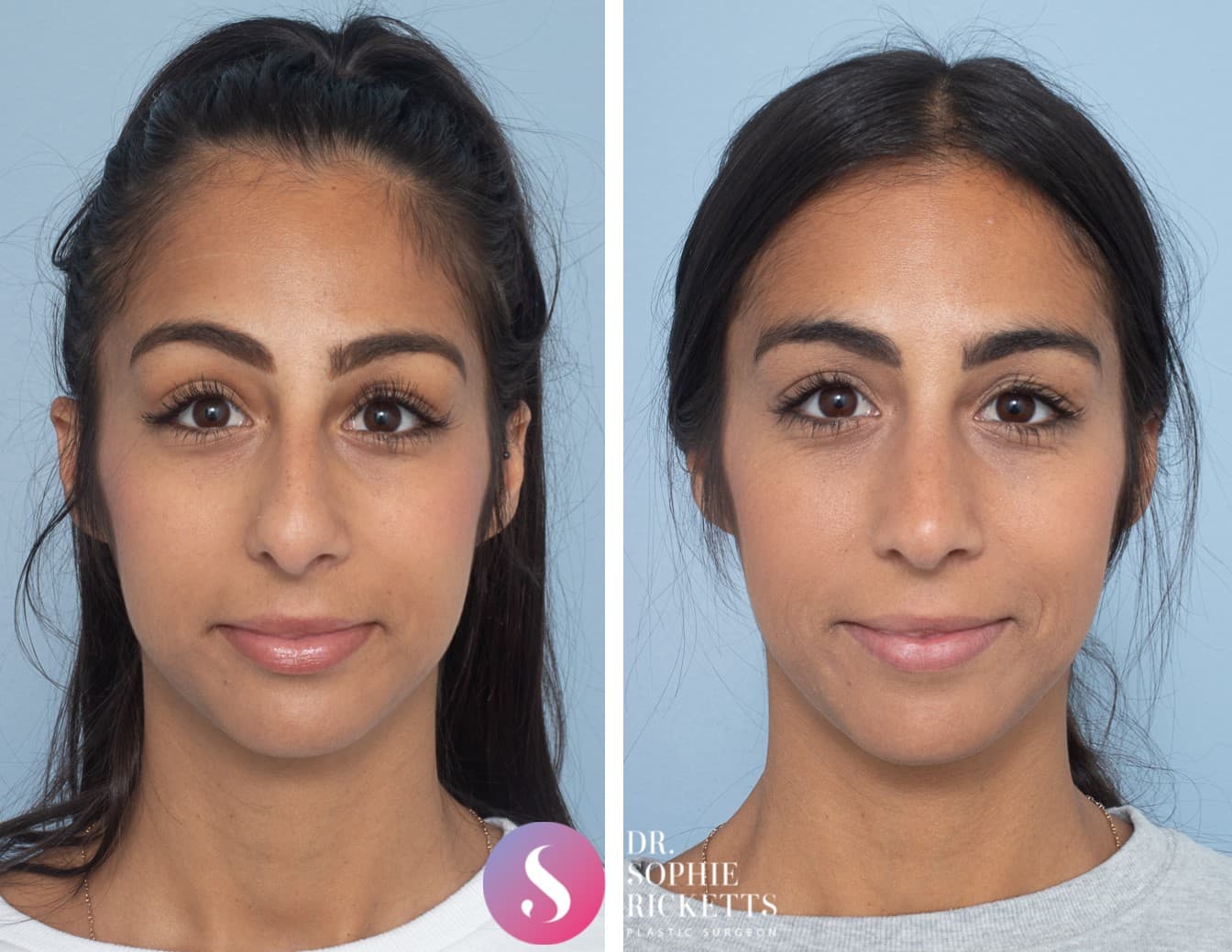
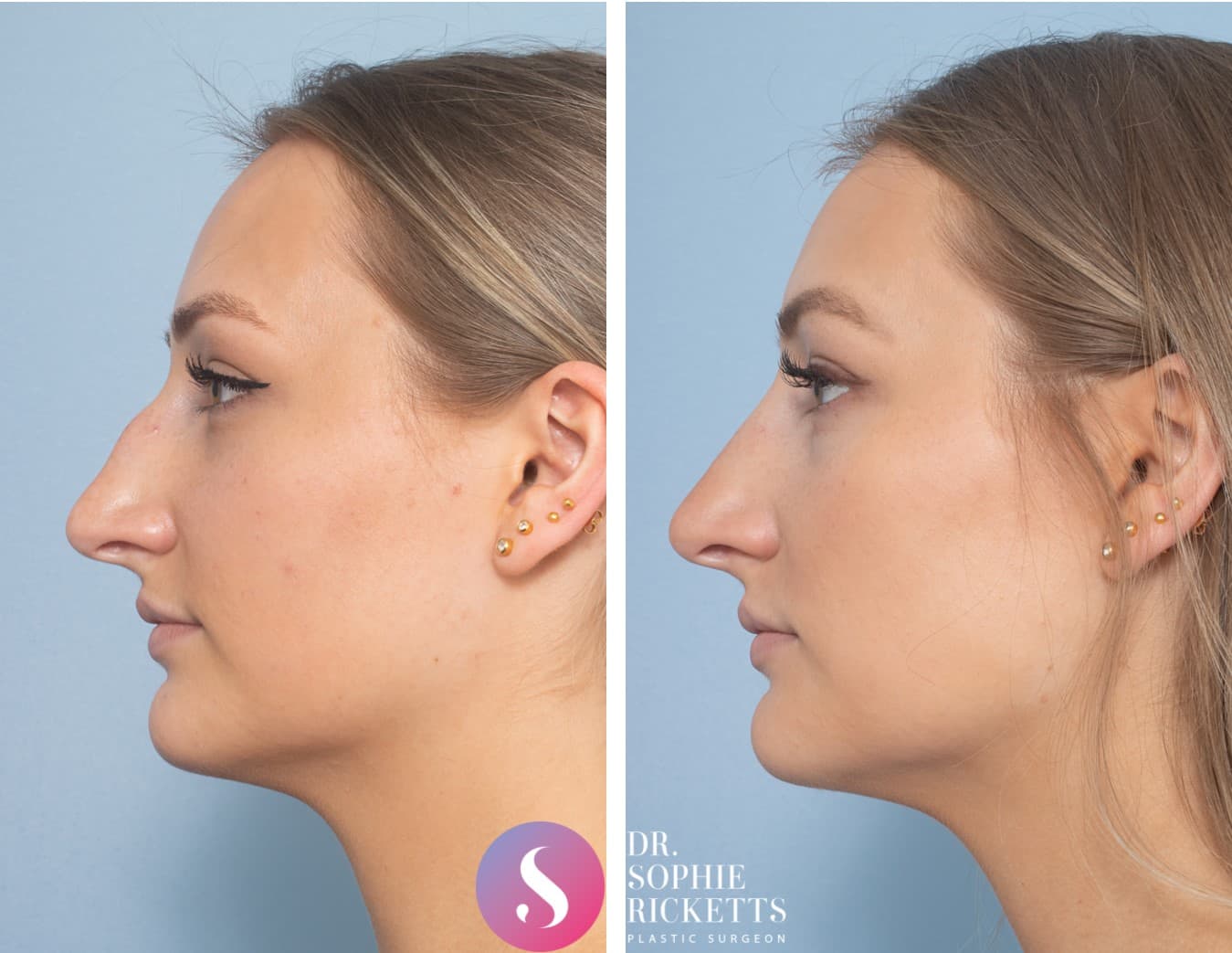
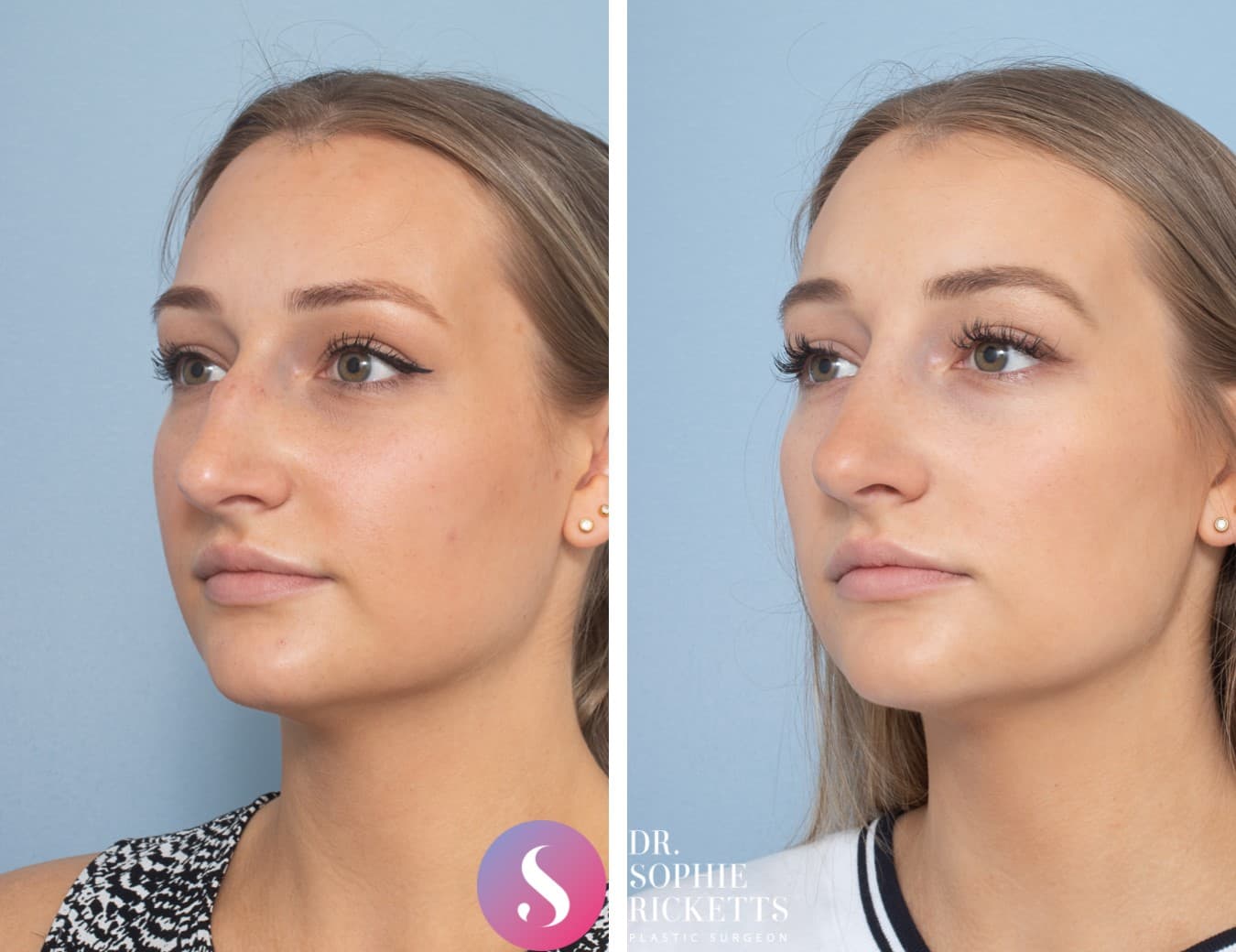
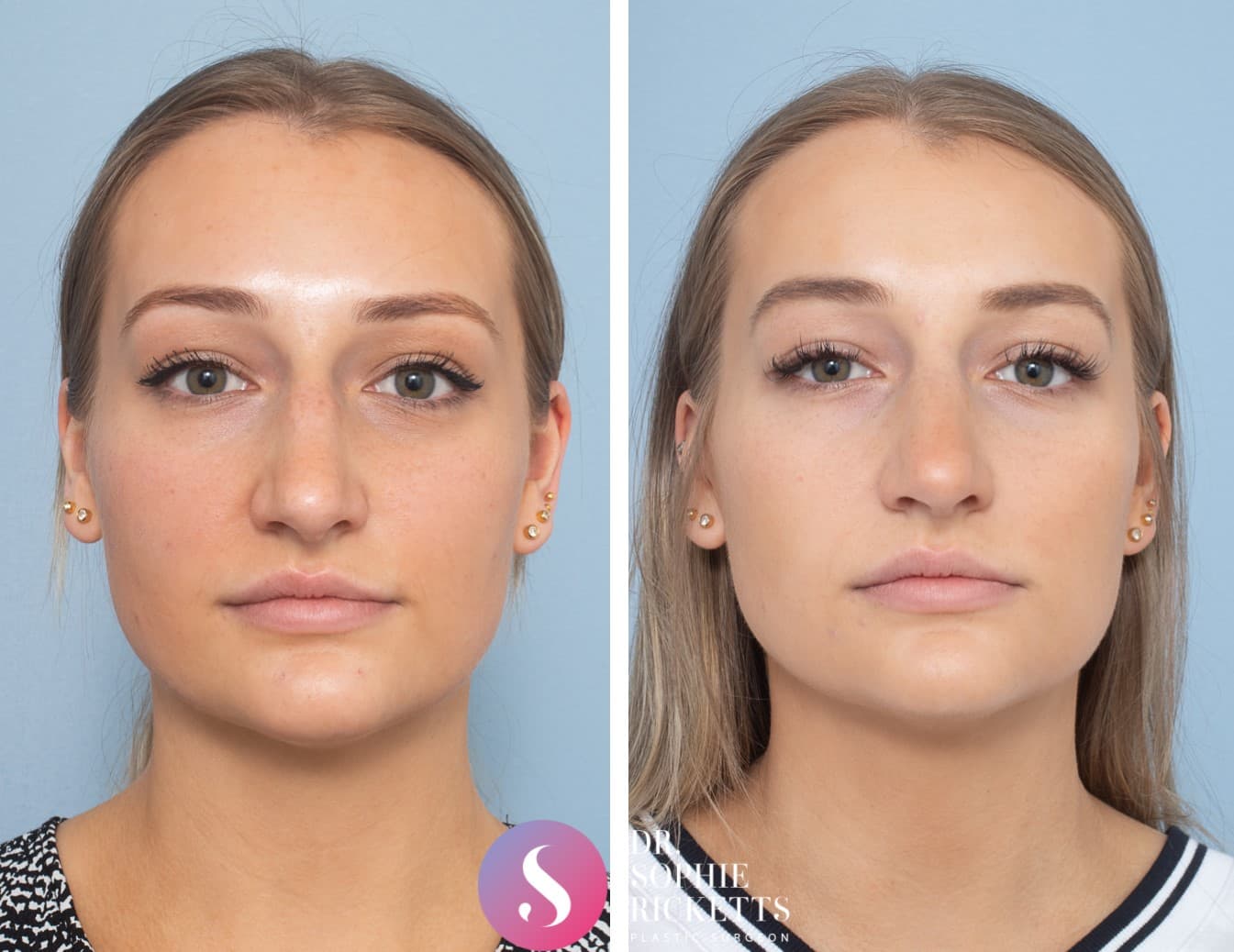
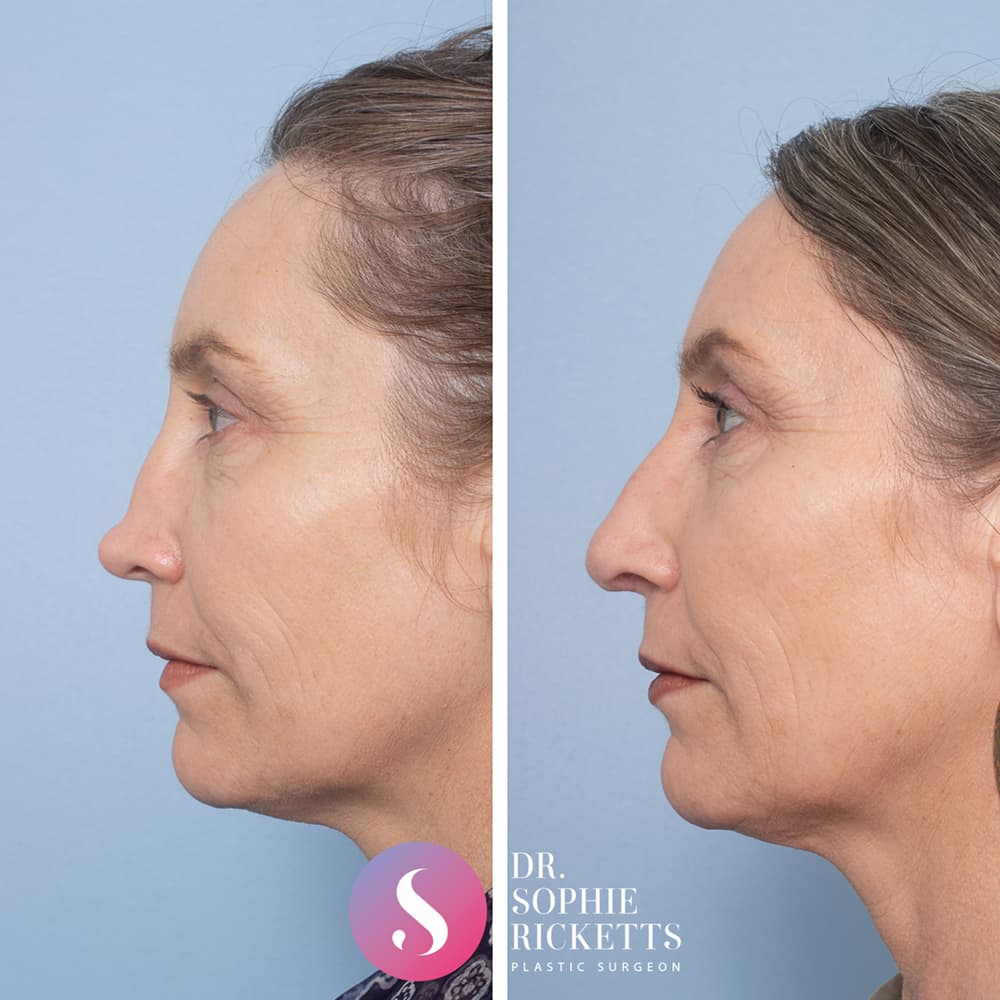
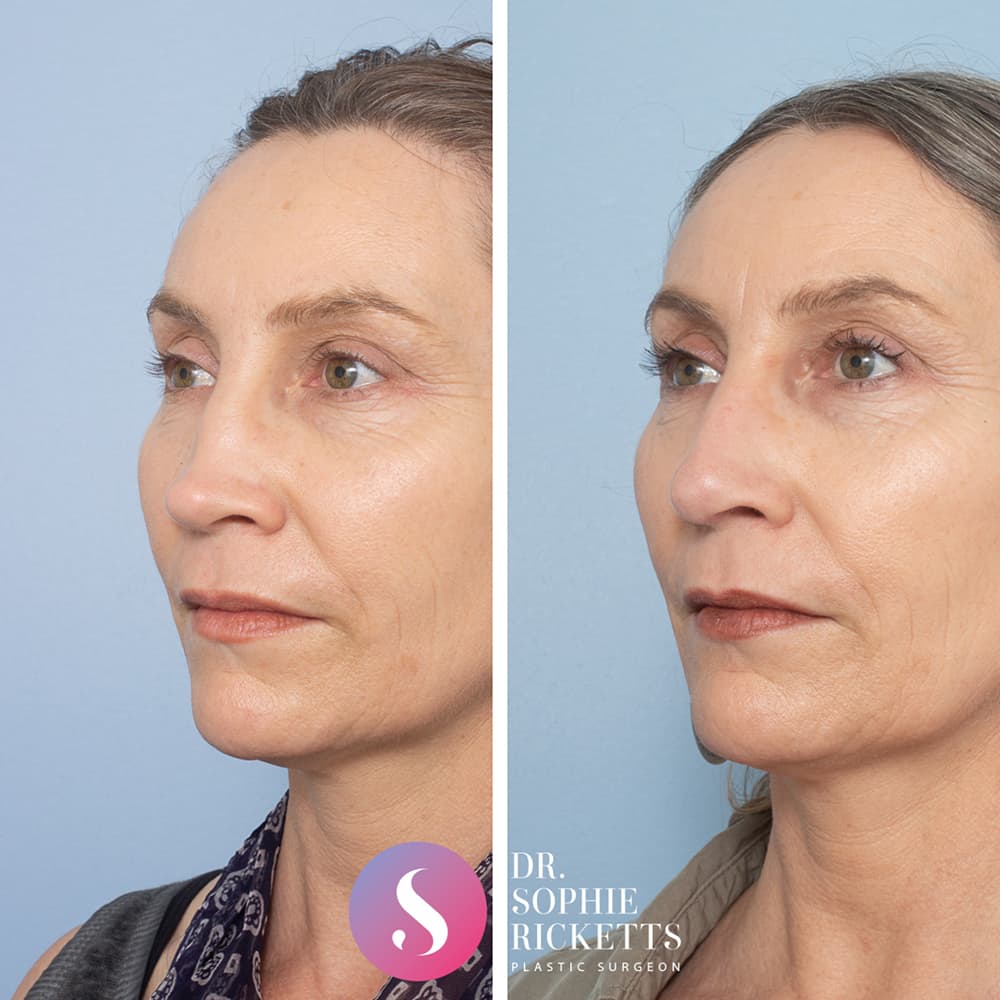
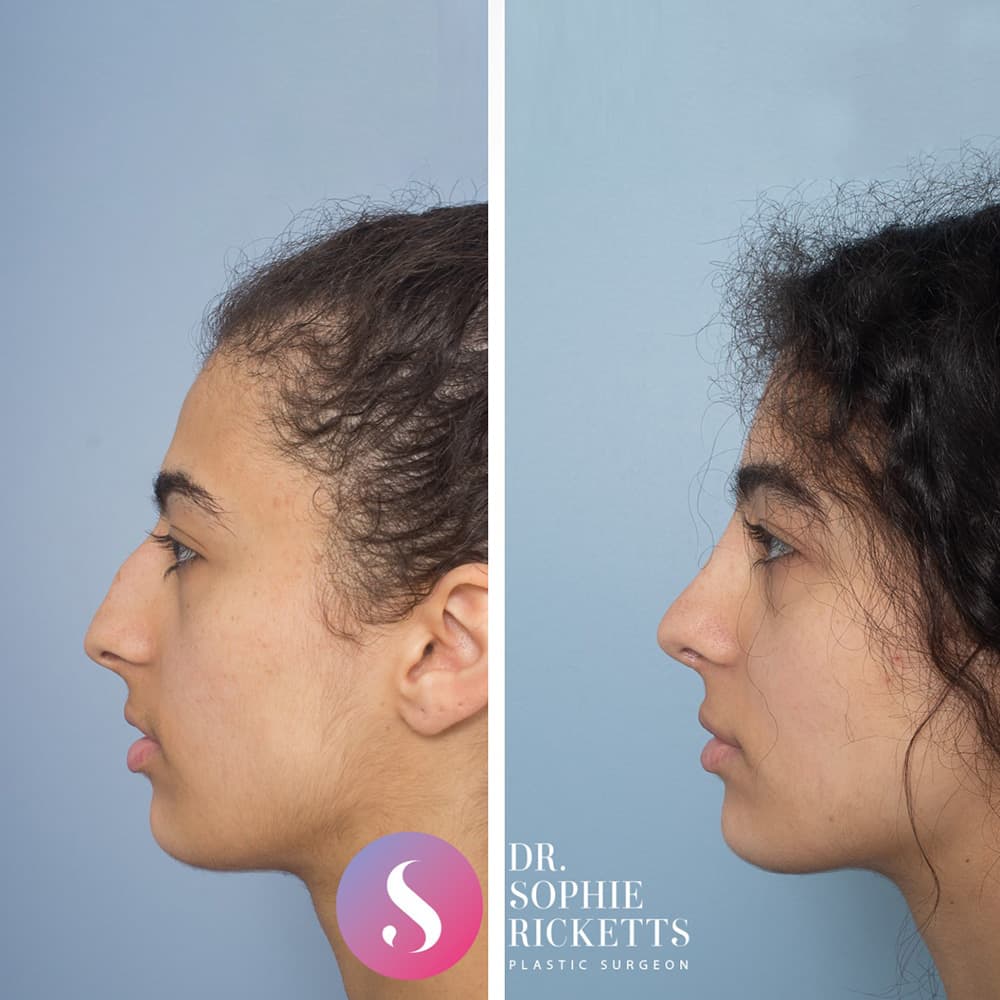
Individual results vary. All surgical procedures carry risks and require a consultation to determine suitability.
These images are for illustrative purposes only and do not guarantee a specific outcome. Before proceeding, you should seek a second opinion from an appropriately qualified health practitioner.




FAQs
Is rhinoplasty permanent?
Yes, rhinoplasty results are generally long lasting, as the changes made to the nose during surgery typically last a lifetime. However natural changes to the skin over time, and subtle changes in the cartilage can affect its appearance. These changes are usually minor and don’t reverse the major alterations made during surgery. If you’re considering rhinoplasty, Dr Sophie Ricketts, a specialist plastic surgeon based in Melbourne, can provide personalised advice.
Is rhinoplasty surgery painful?
Discomfort levels vary between individuals. Some patients experience feelings of congestion, causing them to breathe through the mouth leading to dry throat and lips. Additionally, pressure in the ears and head may be present due to congestion. However, these symptoms can be effectively managed with appropriate medications as advised by your surgeon and anaesthetist.
Who is suitable for rhinoplasty?
A good candidate for rhinoplasty (nose surgery) is someone who is physically healthy, psychologically stable, and has realistic expectations of the procedure. Rhinoplasty can change both the appearance and function of the nose in a single surgery. A specialist plastic surgeon can evaluate your specific case and determine if you are a suitable candidate for rhinoplasty.
Will I have visible scars after rhinoplasty?
Rhinoplasty procedures are designed to minimise visible scarring. The majority of incisions are made inside the nose, meaning there are no visible scars on the outside. This is the case with closed rhinoplasty, where all incisions are hidden inside the nostrils.
In open rhinoplasty a small incision is made across the columella, the strip of tissue between the nostrils, and therefore a scar will be present here. However, this scar is typically discreet and fades over time and importantly allows better visualisation of structures during your surgery.
Overall, while there may be a scar, it is typically minimal and well-hidden, and for most people, it is difficult to see after healing.
What should I consider before a rhinoplasty?
Before undergoing a rhinoplasty it is essential to have clear goals and to choose a specialist plastic surgeon who has experience in rhinoplasty. Openly communicate your expectations and concerns during the consultation and carefully listen to the potential risks and complications associated with the procedure. Ensure you are in good overall health, have realistic expectations of the time it takes to reach the final result of your surgery, and are prepared for the recovery process, including downtime and activity restrictions. Consider the financial aspects, arrange for a support system during the initial recovery, and be mentally prepared for the emotional aspects of undergoing surgery that alters your appearance. Thoroughly research, weigh the pros and cons, and make an informed decision with the help and guidance of your surgeon.
What could be the side effects of rhinoplasty?
Potential side effects of rhinoplasty include temporary swelling of the nose eyelids and sometimes the cheeks, bruising, pain, and nasal congestion. There will be some numbness of the nasal skin (especially around the tip) that should recover fully by around 6 months post op. Scarring from open rhinoplasty is usually good but can be a little red for a few months. Other complications such as infection, bleeding, asymmetry, breathing issues, and anaesthesia-related complications are also possible. One of the biggest considerations for any patient undergoing a rhinoplasty should be a circumstance where your results do not quite meet expectation. This is why it is important to feel that your surgeon understands your goals and has the experience to deliver them but also to help you to understand the limitations of surgery. Discussing these risks with your surgeon, listening to their guidance, and choosing a specialist plastic surgeon can help manage and mitigate these potential complications.
Do all plastic surgeons perform this procedure?
No, not all plastic surgeons perform rhinoplasty. While many plastic surgeons are capable of performing the procedure, rhinoplasty is a complex surgery that requires specialised expertise in nasal anatomy, aesthetics, and functionality. Individuals seeking rhinoplasty should prioritise selecting a specialist plastic surgeon with a strong focus on rhinoplasty whose experience increases the likelihood of achieving desired aesthetic and functional outcomes.
How long is the recovery process after rhinoplasty?
It is worth considering that there is a ‘physical’ and an ‘aesthetic’ recovery to most facial surgery. The physical recovery after a rhinoplasty procedure is a unique experience for each individual, with a typical duration of a couple of weeks. Most patients can resume their daily activities or return to office based work within 10-14 days after the surgery. As the nose heals, there may be some swelling and bruising around the eyes and face, but this is a normal part of the recovery process and will gradually subside over the first couple of weeks. In terms of the aesthetic recovery the full healing of the tissues and resolution of swelling can take up to a year or more, as small amounts of residual swelling can affect the overall appearance of your nose.